The allocation to the Opera and Dramaten will be increased by 19.7 million kronor to compensate for the previous rental model. The Historical Museum, National Museum and Natural History Museum will in turn receive 29.7 million kronor to cover the new market rent.
It is a roundabout way, a government zero-sum game where the Swedish Property Board raises rents and then the government pays the cultural budget, says Gunnar Ardelius, Secretary General of the Swedish Museums.
“No new money”
The museums do not receive any new money, he notes, but at the same time welcomes the new rental model, which he believes should become the practice for the entire museum sector.
Patrick Amsellem, superintendent at the National Museum, cannot answer whether the money that is now being allocated is sufficient to cover the museum's increased costs. The reason is that the museum is in rental negotiations with the Swedish Property Board.
As long as we are not finished with the negotiations, it is very difficult to know what our future costs will be under the new rental model compared with the old one, he tells TT.
Museums may be closed
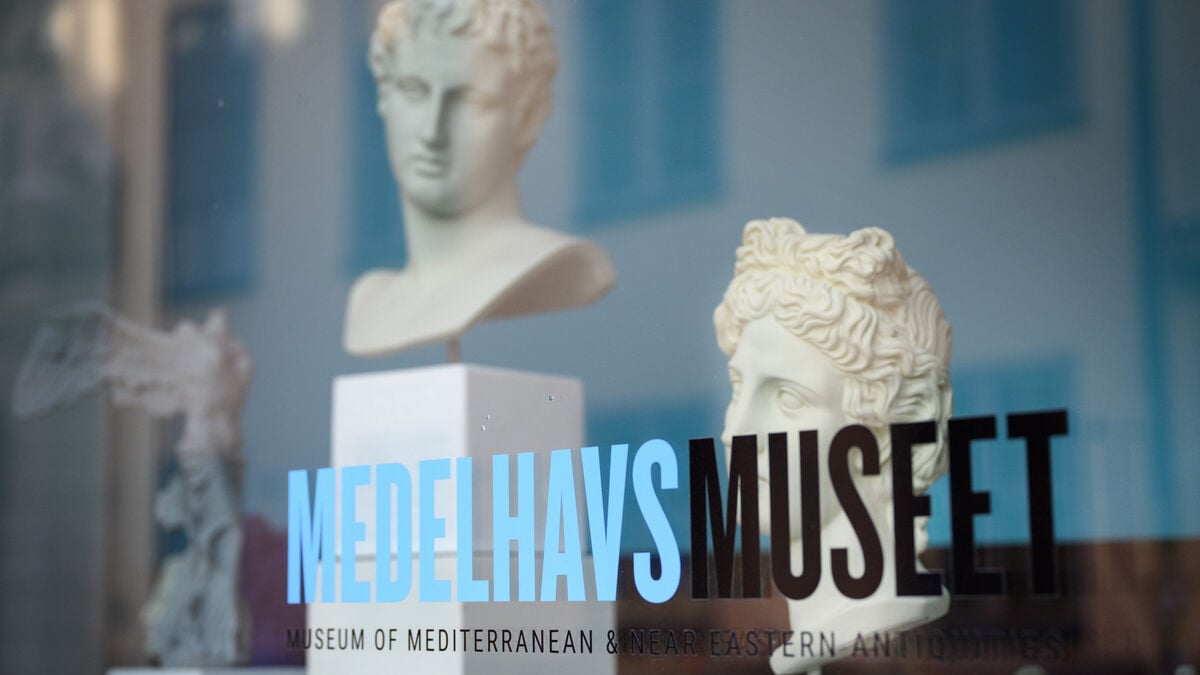
However, the World Culture Museums are not receiving any new funds. The State Property Board, SFV, has announced that it wants to increase the rent for the Ethnographic Museum by 57 percent. The World Culture Museums have therefore said that they plan to terminate the agreements in 2027 and close the Mediterranean Museum and the East Asian Museum in Stockholm.
This is an important issue, but it is a question for the next budget, says Minister of Culture Parisa Liljestrand (M).
Magnus Johansson, chairman of the Saco-S club at the Museums of World Culture, is disappointed.
"We had of course hoped for some kind of signal that they have an ambition to do something, but we haven't heard a peep from them. I think it's incomprehensible. As long as we don't hear anything, the concern increases every day. The situation is urgent," he says.
Facts: Cultural canon in the spring budget
The National Heritage Board will receive 1 million kronor to develop a new digital platform for the cultural canon that the government has commissioned. The suggestions collected on the "People's Canon" platform can also be integrated.
This is about making a Swedish cultural canon available to all citizens, says Parisa Liljestrand.
The digital platform will be launched while waiting for a more permanent organization to manage and develop the cultural canon, according to the Minister of Culture.