Two years of low rainfall have meant that water levels in several parts of the country are unusually low.
“That is why, as we enter the summer, we are simply in a bad starting position,” says Calle Hjerne at the Geological Survey of Sweden (SGU).
The agency says that groundwater levels in Skåne are so low that there is a risk of water shortages.
For Skåne, we have to go back to the early 1990s or the mid-1970s to see a similar situation ahead of the summer.
At Sandhammaren in Ystad Municipality, SGU has never measured such low levels during April. Some wells may dry up, or the water quality may deteriorate. Others may not notice anything at all.
More places in danger zone
Even a lot of rain in the coming months would not lead to any huge improvement, as it is largely absorbed by plants or evaporates before reaching the groundwater.
In two months' time, regardless of whether the weather is dry or wet, we will have low levels in Skåne.
In general, the situation is somewhat better than before the summer of 2025, and in most parts of the country, levels are above or well above normal.
But for Götaland, the situation is not good, and Gotland, Blekinge, Öland and Småland are in the danger zone.
If we get wet weather there, it will have a positive impact on them, says Hjerne.
Surface water levels are also historically low in some places. The Rönne River, which flows into Ängelholm, is as low as last year, which was a record low for this time of year. This can affect water supplies, but also animal and plant life.
It's not the most fun situation ahead of the summer with our lakes and waterways, says Hanna Pierrau, hydrologist at SMHI.
Dry despite white winter
Some may be surprised by the news after an unusually white winter. It's "a bit tricky," according to Pierrau, who says there was unusually little winter precipitation in large parts of southern Sweden.
But we have also had a colder winter, and then it can feel like there is more snow.
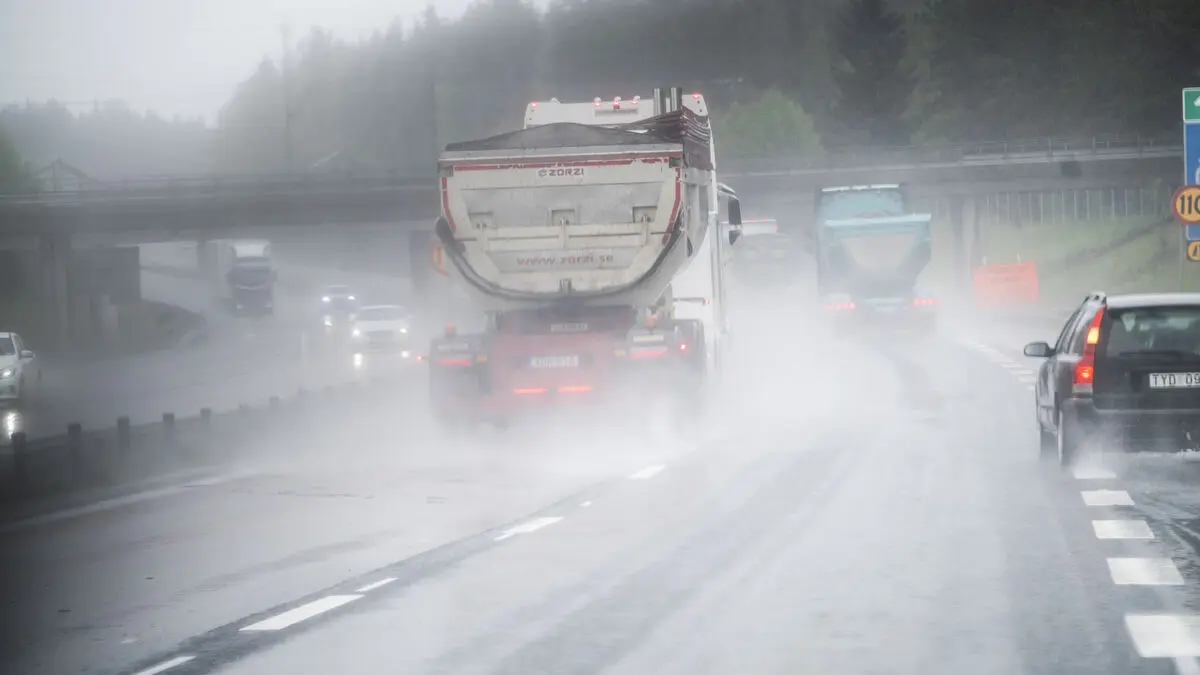
In addition to farmers and nature, drought can strike in other ways. Some food producers who consume a lot of water may need to consider a plan B, such as water via tanker trucks, according to Karin Gustafsson, emergency response officer at the Swedish National Food Administration.
Reduced access to water can have major consequences for households, food production, catering operations and other socially important activities.
+ Water plants in the evenings and use collected rainwater; avoid watering with drinking water.
+ Avoid taking a bath. Instead, wash yourself in a sink or take a quick shower.
+ Avoid using running water when rinsing root vegetables or dishes.
+ Fill bottles and jugs with water and keep them in the fridge, instead of rinsing them for a long time to get them cold.
+ Order a tanker truck with water for the pool or hot tub instead of using drinking water.
Source: Swedish National Food Agency