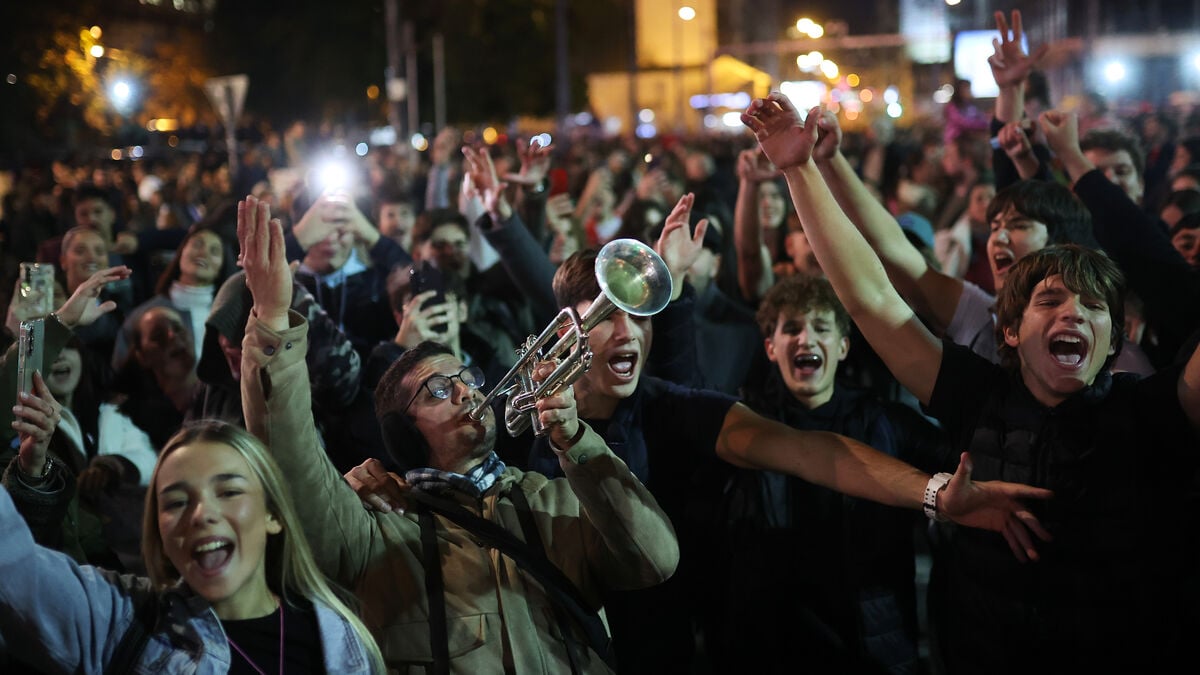
After 14 years of increasingly authoritarian rule, Aleksandar Vucic’s time in power is over. The Student List protest movement is expected to form a government in Serbia.
But major challenges lie ahead. The movement lacks both leaders and political experience, and must change a societal culture that has taken root over decades.
They will focus on democratic reforms. It will be a laborious project, given that Vucic has had such a strong grip on the state apparatus, says Fanny Wallberg, coordinator at the Center for East European Studies at the Institute for International Affairs.
According to Serbia’s constitution, a new government must take office no later than 90 days after the official election results are announced, so there is a certain amount of time pressure.
The roof collapsed
The Student List’s idea is to govern as an expert government consisting of academics, doctors, farmers, actors and students, among others. Former central bank governor Dejan Soskic, for example, is being touted as a favorite for either the finance minister or prime minister position.
The model is also likened to a transitional government that will pave the way for free elections in four years, when new parties will be able to compete on equal terms.
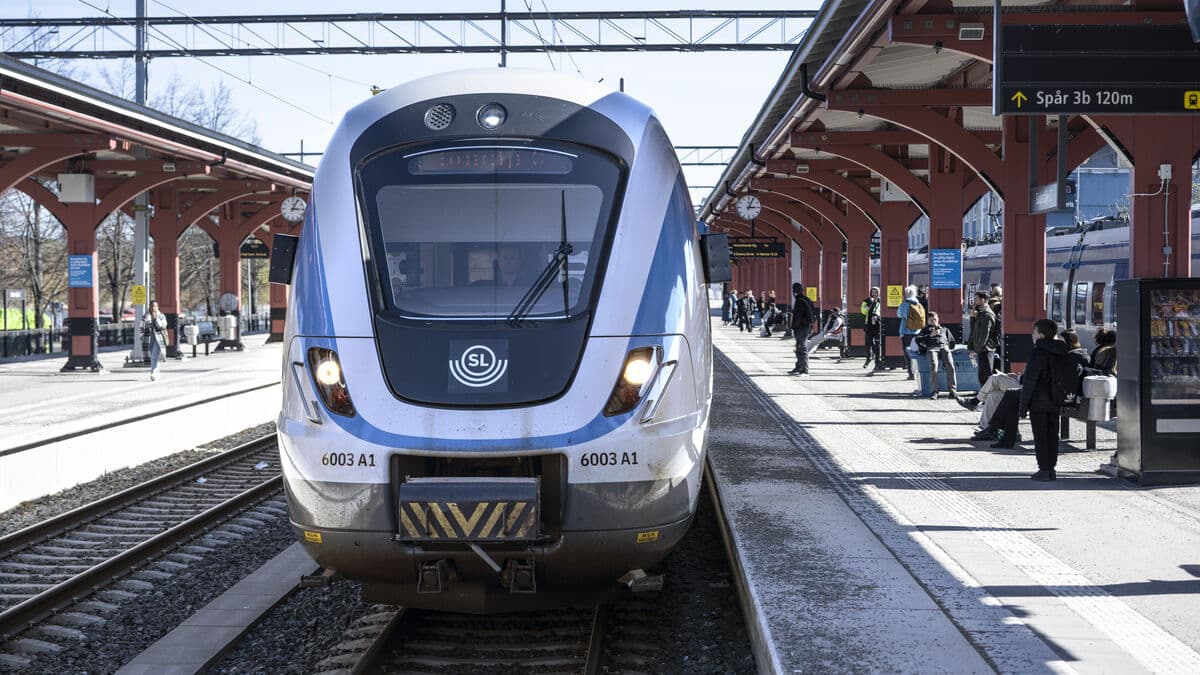
The Student List was formed two years ago after the roof collapsed at the Novi Sad train station, killing 16 people. Since then, anti-government protests have taken place, including calls for a crackdown on corruption. Aleksandar Vucic has established a strong grip on the country’s media over the years.
He has had the TV studios on speed dial. Whenever he wanted to explain how things were going, he was able to call various TV studios, says Fanny Wallberg.
New independent police
The movement also wants to push through domestic political reforms, such as establishing a new independent police force and purging police officers linked to organized crime.
It has sometimes been difficult to know who are actually police officers and who are the masked men who attacked the Student List protesters. Previous investigations have also shown close links between Vucic’s party, the SNS, and organized crime, says Wallberg.
The Student List has not stated its position on various foreign policy issues, including its views on the EU, support for Ukraine and sanctions against Russia. Vucic has walked a balancing act, trying to stay on good terms with both the Kremlin and the EU.
These are unresolved issues that run deep in Serbian society, says Wallberg.
Serbia held elections on October 25 after two years of widespread and sometimes violent protests. The unrest stemmed from demands for a transparent investigation after the roof of a newly renovated train station collapsed, killing 16 people.
The protests grew rapidly, fueled by dissatisfaction with widespread corruption and President Aleksandar Vucic’s autocratic rule.
Vucic and his nationalist ruling party, the Serbian Progressive Party (SNS), have dominated politics since 2012. The SNS ran in the elections together with several smaller nationalist and conservative parties under the name "A United Serbia".
The biggest opponent to the SNS was the relatively newly formed Student List. The students have chosen candidates without much political experience. At the top of the list is cardiologist Ilija Srdanovic.
Eighteen parties and coalitions participated in the elections for 250 members of parliament. According to preliminary results, the Student List will receive between 135 and 140 seats and Vucic’s SNS 105 seats.