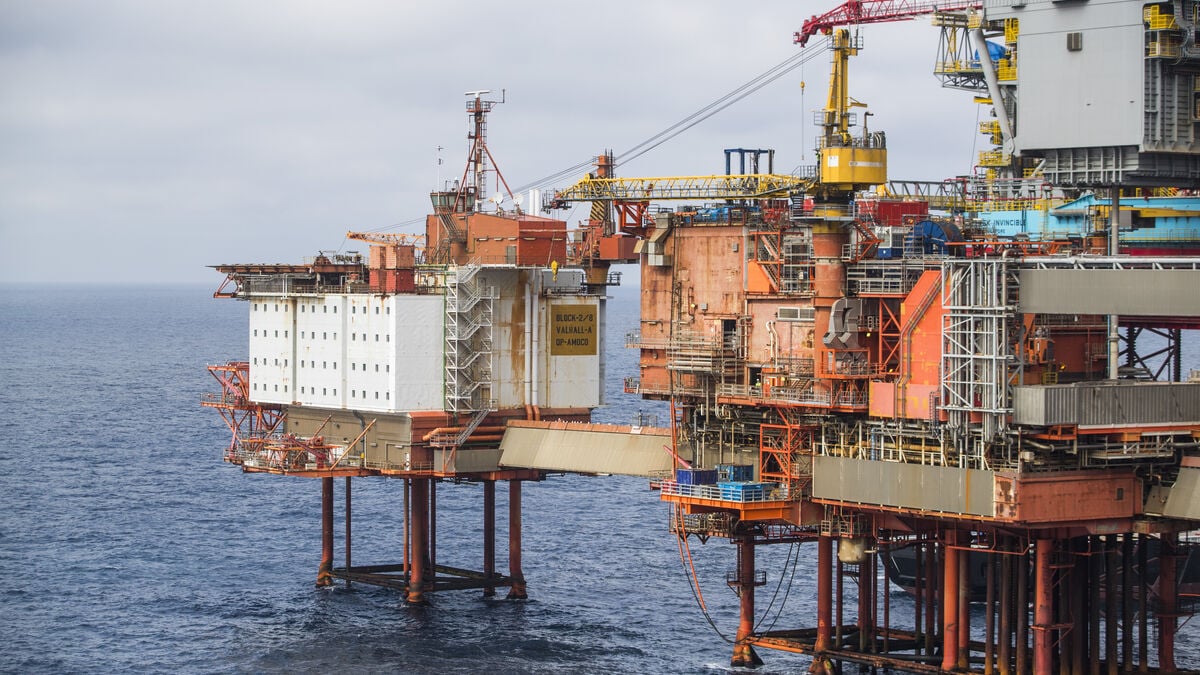
Nordea provided the largest loans to fossil fuel companies operating in the Arctic, totaling SEK 7.4 billion (about $705 million). SEB lent SEK 6.5 billion (about $620 million) to the same type of companies.
"It is very remarkable, and the further we get into the climate crisis, the more absurd it becomes that banks support this kind of highly climate-damaging activity. The expansion is taking away our ability to reach our climate goals. It is a betrayal of customers," says Jakob König.
Handelsbanken and Swedbank, however, have not lent any money to fossil fuel companies in the Arctic.
Threatens wildlife and Sami rights
According to the report, oil expansion threatens sensitive wildlife and risks violating the rights of the Sami people, as the infrastructure and the risk of oil spills affect reindeer herding and fishing.
The lending also clashes with the European Commission's position on an international ban on new oil extraction in the Arctic.
"A few companies"
SEB welcomes the review of lending but disagrees with the Fair Finance Guide's definitions and calculations. In a response to TT, the bank says it has only a few companies left on its lending list.
"These companies continue to play an important role in Europe's energy security at a time when Europe needs to become independent of Russian oil and gas, while transport through the Strait of Hormuz is also disrupted," says Karl-Oskar Olming, SEB's head of sustainability, in a written comment.
Nordea says it has "extremely little lending to the oil and gas industry" - EUR 3 million at the end of 2025:
"Since 2019, we have reduced our outstanding lending to oil and gas extraction by over 99 percent," the bank writes in a comment.
The report Banking on Thin Ice examines banks' fossil fuel financing in 2024–2025. It was produced by the Swedish Society for Nature Conservation (Sweden's environmental NGO) and Fair Finance Guide, together with Nordic partner organizations, including the Finnish Sami Central Association.
Banking on Thin Ice 4 is part of a series of reports. The banks were given the opportunity to check all the facts beforehand.
Source: Swedish Society for Nature Conservation, Fair Finance Guide.