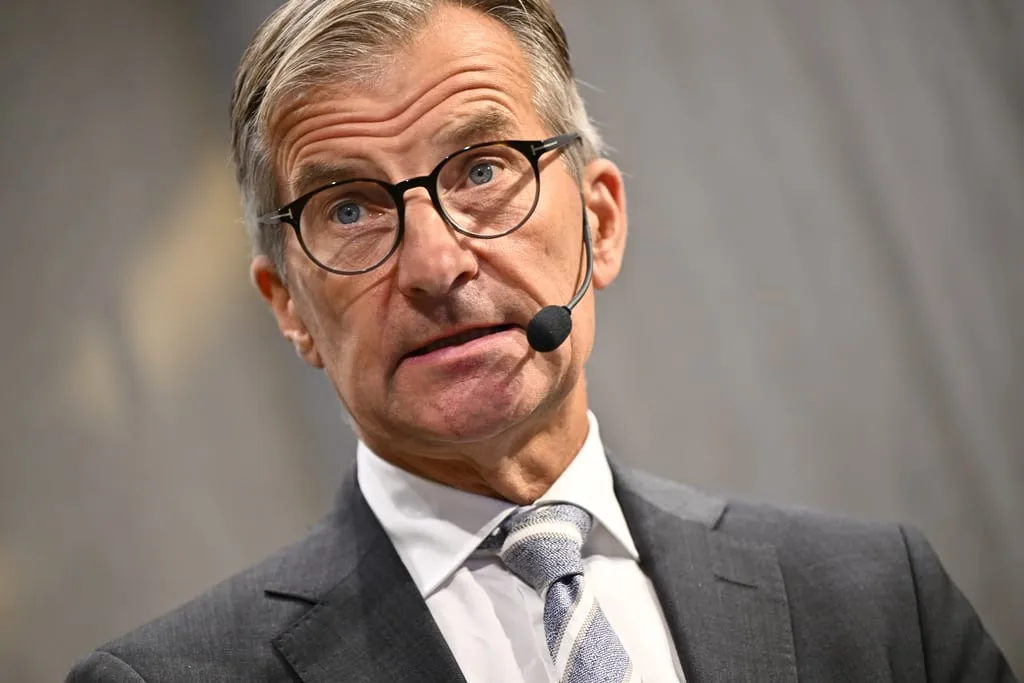
Now times will be tougher for households, with both higher prices and higher interest rates, says Susanne Spector, chief economist at Danske Bank.
She expects three increases in the key interest rate, to 2.50 percent, in the coming months.
Mortgages could become more expensive
The cost of a SEK 2 million mortgage would increase by SEK 15,000 a year - excluding the interest deduction - if mortgage rates continue to rise at the same pace.
There will probably be a slight tightening next year, combined with households facing higher electricity bills, more expensive fuel and higher prices in general, she says of the effects.
Spector believes the key interest rate will fluctuate around these levels in the future.
We currently see a strong Swedish economy. We see the global economy on its way to an upturn. So these supply disruptions are hitting strong economies, and this increases the risk of inflation, she says.
Her colleague Ulf Andersson at DNB Carnegie Sweden is on the same track, although he believes the Swedish Central Bank will delay the third rate hike until the third quarter of 2027.
In Sweden, he sees continued strong household consumption and large investments, both private and public - not least linked to major investments in defence and infrastructure.
Another reason is that there are many signs that inflation may be too high in the future. It is low today - seemingly low - since we have a number of temporary fiscal support measures, such as halving food VAT and more, he says.
“Does the Swedish Central Bank need to react to”
Added to this is a new geopolitical dynamic, with more protectionism, more global conflict areas, a greater risk of supply disruptions and thus a need for increased resilience, which will inevitably lead to higher inflation, according to Andersson.
He is already noting higher producer prices in Sweden and that companies' pricing plans are pointing upwards. The weakening of the krona during the year is also contributing.
The Swedish Central Bank needs to react to this in good time, says Andersson.
In September, the Swedish Central Bank flagged that credit in the Swedish economy needed to be tightened to curb inflation. Two or three interest rate hikes this year and next year were then included in the bank's forecast.
Wednesday's announcement is being made without a new monetary policy report. If Riksbank governor Erik Thedéen and the board want to change the interest rate plans, they will signal this in the press release or at the press conference after the announcement.




What do you think?