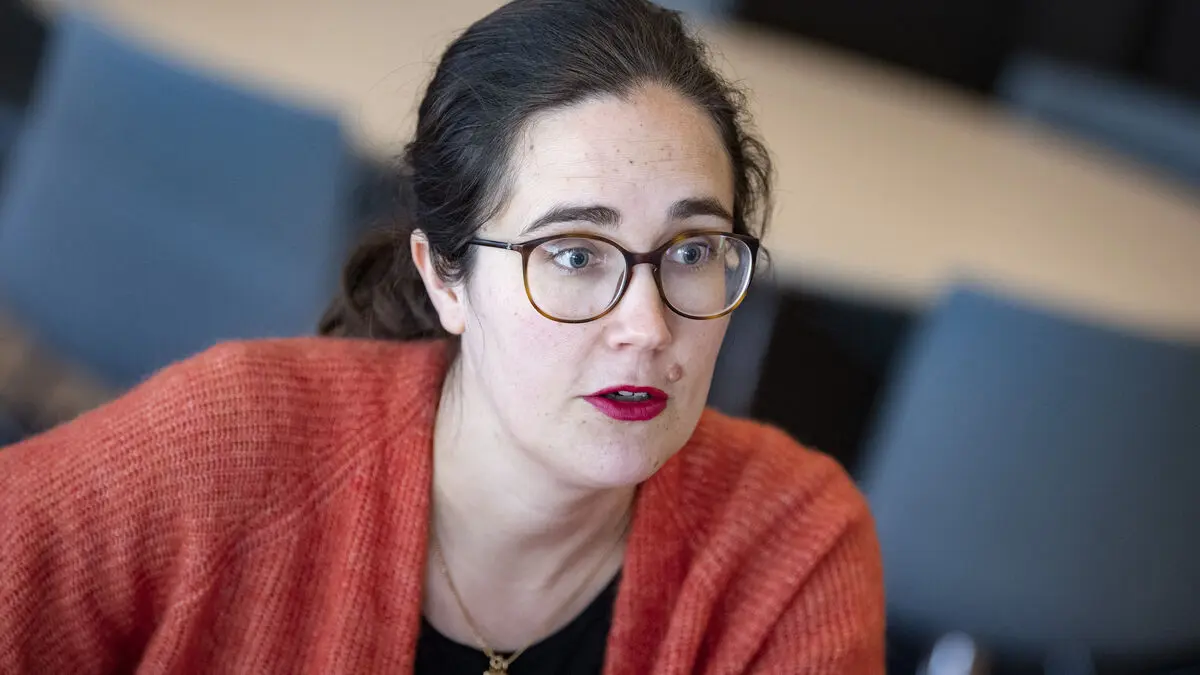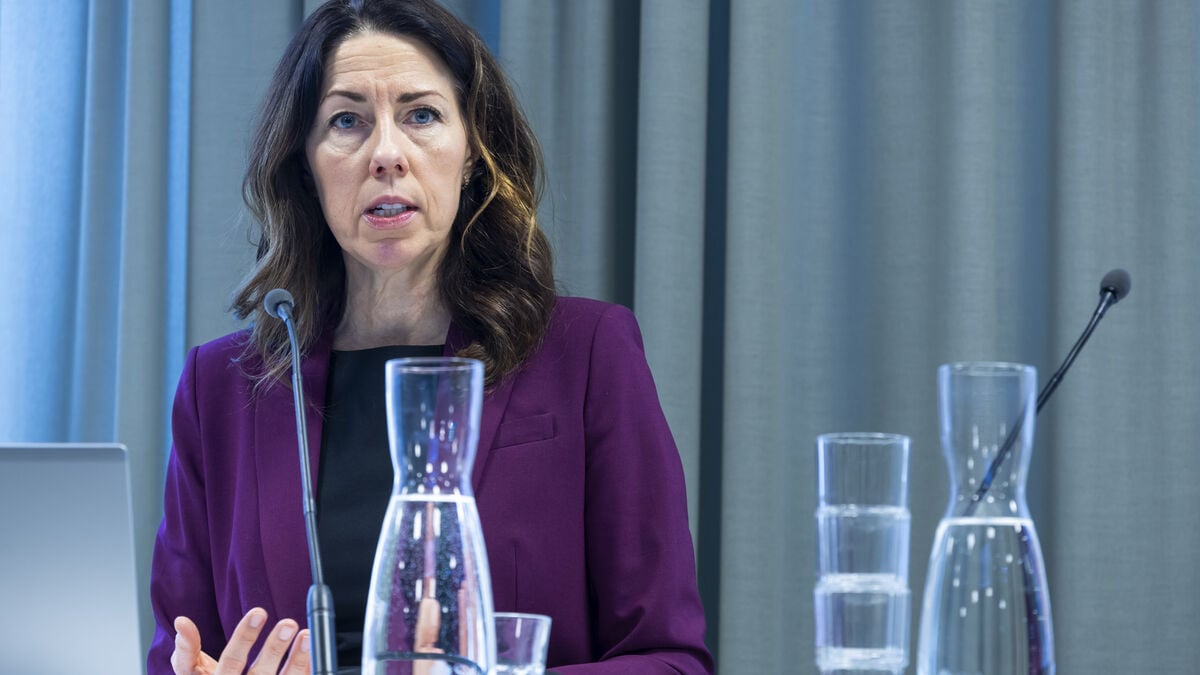
Anna Seim supports the Swedish Central Bank's decision last week to leave the key interest rate unchanged at 1.75 percent and not to adjust the interest rate path, under which an increase is not expected until the end of 2027.
But she emphasizes that she is worried about a different scenario due to a war involving Iran, in which inflation could shoot up to 4 percent excluding the effects of the reduction in food VAT. In that case, the policy rate may need to be raised several times, she explains in a speech at the ABG Sundal Collier office in Stockholm.
Very costly
The scenario is based on the assumption that the energy price shock that is already shaking the global economy persists. In addition, there is the risk of persistent price effects on other input goods such as metals, fertilizer, food and shipping services, which companies could pass on to consumers as higher prices, creating inflation.
A high inflation scenario would be very costly for the economy, and that is why I am more worried about it, says Anna Seim.
According to Seim, the Swedish Central Bank is ready to tighten with interest rate increases if necessary and does not want to repeat the mistake from 2022, when monetary policy was considered to have acted too slowly.
Households should always be prepared for the policy rate to be both higher and lower than in our main scenario, she says.
The risk increases
She does not want to comment on the likelihood that it will lead to an inflationary shock in the Swedish economy. But she emphasizes that the risk increases the longer the war goes on and the more energy infrastructure is destroyed around the Persian Gulf.
It could affect companies' costs and they could pass those on to consumers, says Seim.
The next interest rate announcement will be on May 7. In the fixed income market, the likelihood is that an interest rate increase from the Swedish Central Bank could come then or in June - followed by two more interest rate increases later this year.