The report from the think tank International Institute for Strategic Studies (IISS) maps 144 drone sightings in Europe between 2024 and 2026.
These include NATO countries such as Germany, France, Belgium, the Netherlands, the United Kingdom, Denmark and Sweden. Drones were also observed over nuclear power plants.
The alarms over suspected Russian drones culminated at the end of last year and forced airports in Germany, Spain and Denmark, among others, to temporarily close.
Only Sweden blamed Moscow
It is up to each member country to decide how to respond to threats like these, NATO deputy Supreme Commander John Stringer told the AP news agency.
But of the European countries that were subjected to the Russian drone offensive, only Sweden directly blamed Moscow for the incident, according to the IISS report.
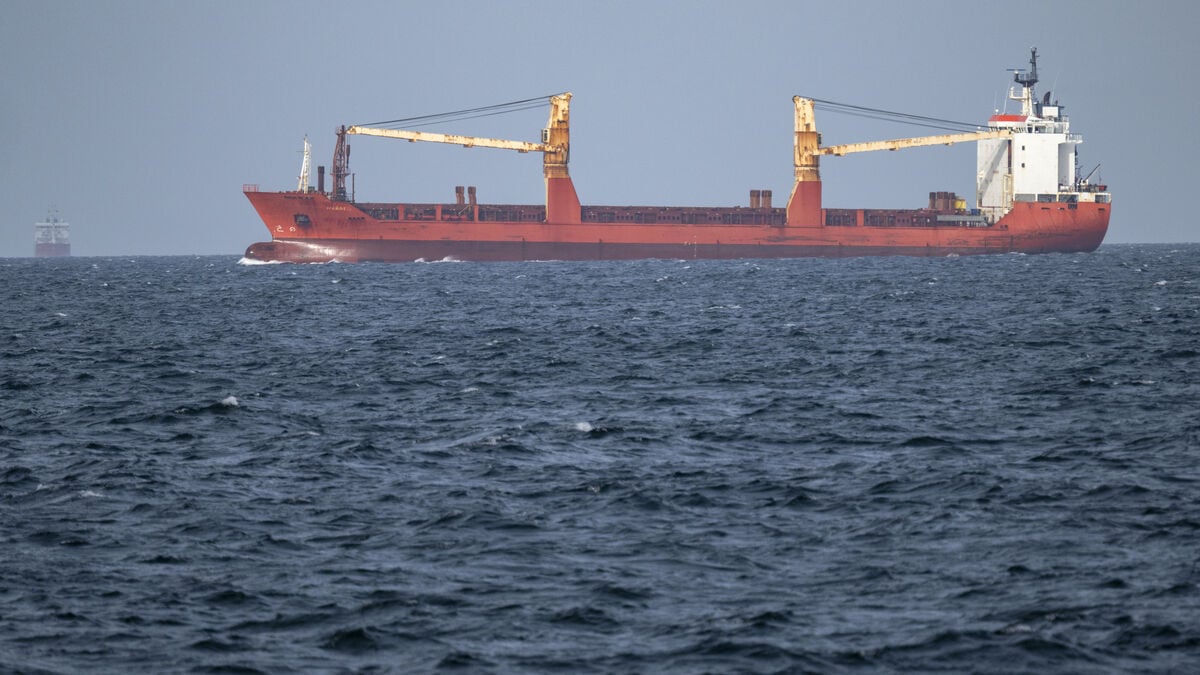
Sweden was affected by Russia's drone offensive in late February this year when the French aircraft carrier Charles de Gaulle was in Malmö harbor for a strategic exercise. A drone took off from a nearby Russian ship and circled the aircraft carrier, which was detected by a Swedish navy patrol. The government later confirmed a violation of Swedish airspace.
Arming drone defense
Last fall, the French military also boarded a ship that President Emmanuel Macron determined belonged to the Russian shadow fleet, according to French media. It could not be ruled out, according to Macron, that this ship was involved in Russian drone flights over Denmark.
The extensive offensive by Russian drones is a strategic failure for Europe, according to the IISS, and exposes how ill-equipped Europe's air defenses are to respond to the threat it faces.
As a result of the incidents, Sweden, Denmark and a number of other European countries are strengthening their drone defenses.
Russian President Vladimir Putin denied in May this year that Russia had engaged in sabotage through any form of drone offensive.