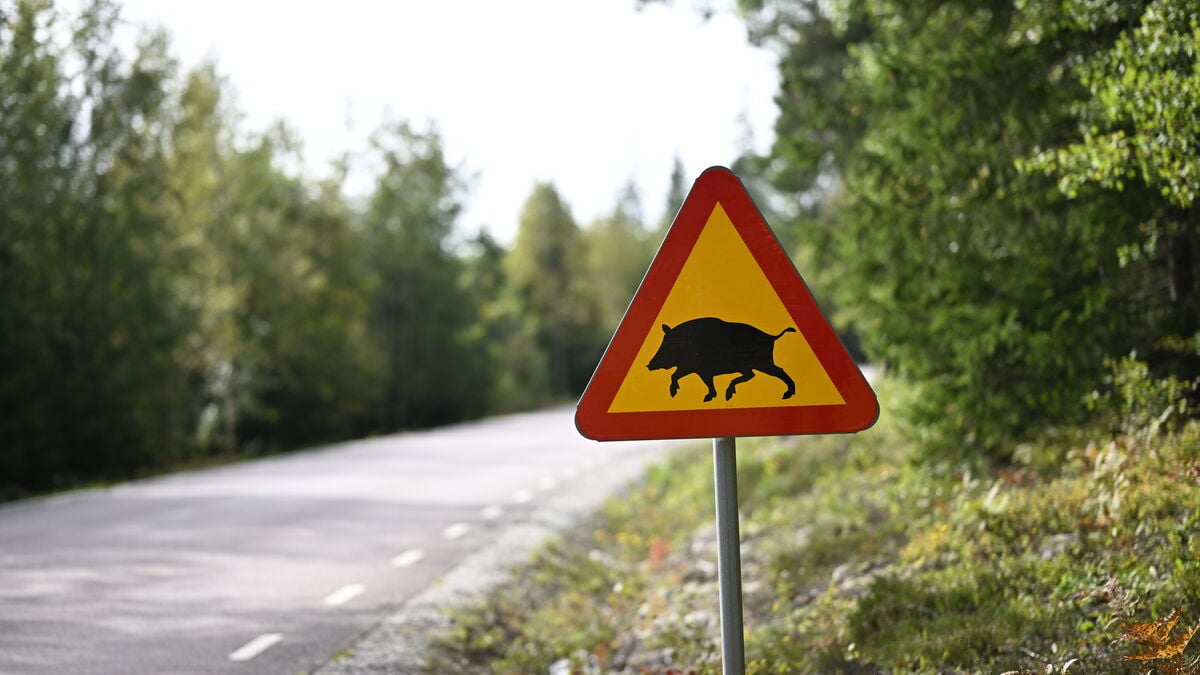
The mild winters of the past two years, mast years and the abundance of fruit have led to many wild boars surviving - and reproducing rapidly.
When the wild boar population experienced a sharp increase in 2024, the number of road accidents involving wild boars also rose sharply, from 5,900 in 2023 to 9,200 the following year.
The rapid increase in hunting accidents involving wild boar has now stopped. But we still have a record-sized population, says Anders Broby, an administrator at the Wildlife Analysis Unit at the Swedish Environmental Protection Agency.
Increased hunting
The Swedish Environmental Protection Agency, which is responsible for wildlife management, estimates that there are currently more than 570,000 wild boars before hunting and 325,000 after the hunting season. The agency has not set a target for how large the population should be, but the Swedish Environmental Protection Agency, as well as the Swedish Hunters' Association and the Swedish Farmers' Association, believe that it needs to decrease, but to different degrees.
For this to be successful, hunting must increase significantly.
Hunters have to shoot a lot to break the upswing and the high shooting rate must continue for a few years to bring the population down to a lower level, says Anders Broby.
Wild boars are allowed to be hunted for a large part of the year, but not sows with piglets. Technical aids such as night vision are now permitted when hunting. New rules were introduced in 2024 that make the handling and sale of wild boar meat easier; for example, hunters can sell small quantities of meat directly to consumers and retailers.
Heavy bureaucracy
Hunters want to shoot more wild boar, but regulations mean that reselling wild boar meat is still expensive and administratively complicated, according to the Swedish Hunters' Association. Requirements for trichinosis and cesium tests, cold chains, traceability protocols and veterinary inspections drive up the price.
This leads to Sweden importing wild boar meat from the rest of Europe, even though there are plenty of wild boars in the Swedish forests.
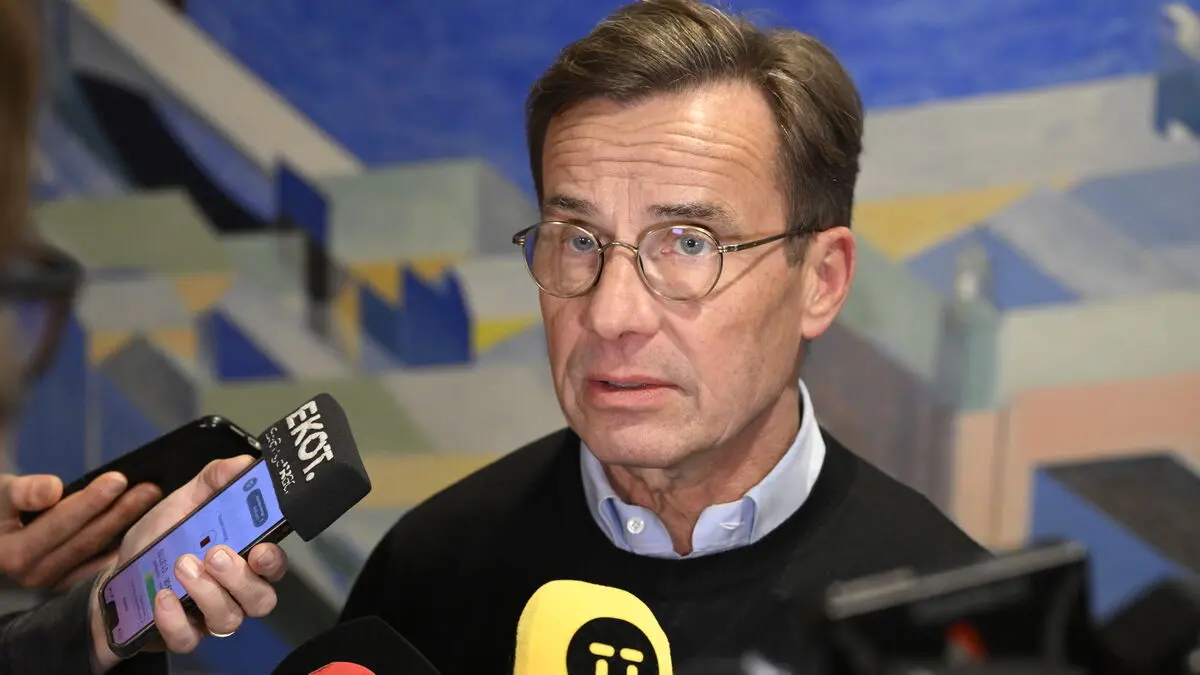
Carl-Johan Djurstedt Holm, secretary-general of the Swedish Hunters' Association, wants to see more simplifications in the regulations and so-called dynamic procurement in municipalities.
By allowing public kitchens to purchase wild boar meat when supply is greatest - during the fall and winter hunting season - demand can increase and give hunters an incentive to shoot more animals, he says.
The costs of damage to agricultural crops caused by wild boars amounted to approximately SEK 300 million in 2023, according to estimates from the Swedish Board of Agriculture.
Corrected: The number of traffic accidents involving wild boars in 2023 is 5900, changed wording regarding when wild boars may be hunted and the correct title of Carl-Johan Djurstedt Holm in the caption.
Facts: Farmers and hunters have different views
The Swedish Farmers' Association, LRF, proposes regulated feeding, permission to hunt in connection with the use of agricultural machinery, permission to search for wild boars using drones, and changing the rules for wild boar traps, with the aim of reducing the population. LRF warns that if nothing is done, the wild boar population could have increased to one million animals in four years.
The Swedish Hunters' Association believes that the current regulations are fully sufficient, and that it is now mainly a matter of local cooperation to regulate the wild boar population where needed.
The association also points out that there is already the possibility of exceptions for hunting in connection with the use of agricultural machinery, as well as for using technical aids such as drones after application to the county administrative board.
Wildlife management is based on three pillars: rare species must be preserved, wildlife must be used as a resource, and damage caused by wildlife must be limited.
Anders Broby, an administrator at the Wildlife Analysis Unit at the Swedish Environmental Protection Agency, describes wildlife management as a three-step stool: there must be a balance between the three - otherwise the stool will tip over.
The basic principle of wildlife management is that decisions should be made at the lowest level possible, locally or regionally.
Source: Swedish Environmental Protection Agency.