Never before have so many people applied to university as this year. More than 424,000 people have registered for this fall's programs. Large youth cohorts and a shaky labor market have affected the application pressure. But which programs are the most popular?
"We see a general increase in interest in higher education, and in particular education leading to a professional degree continues to be popular," says Anders Ljungberg, head of analysis at the Swedish Council for Universities and Higher Education (UHR).
This applies especially to programs that lead to shortage occupations, that is, where job opportunities are particularly good. A recent report from UHR shows, for example, that the number of first-choice applicants for pharmacists is increasing by 27 percent, opticians by 24 percent and physiotherapists by 18 percent.
Civil engineering programs have "only" 4 percent more applicants, but are already very large. This year they have more than 18,300 first-choice applicants.
More people can apply
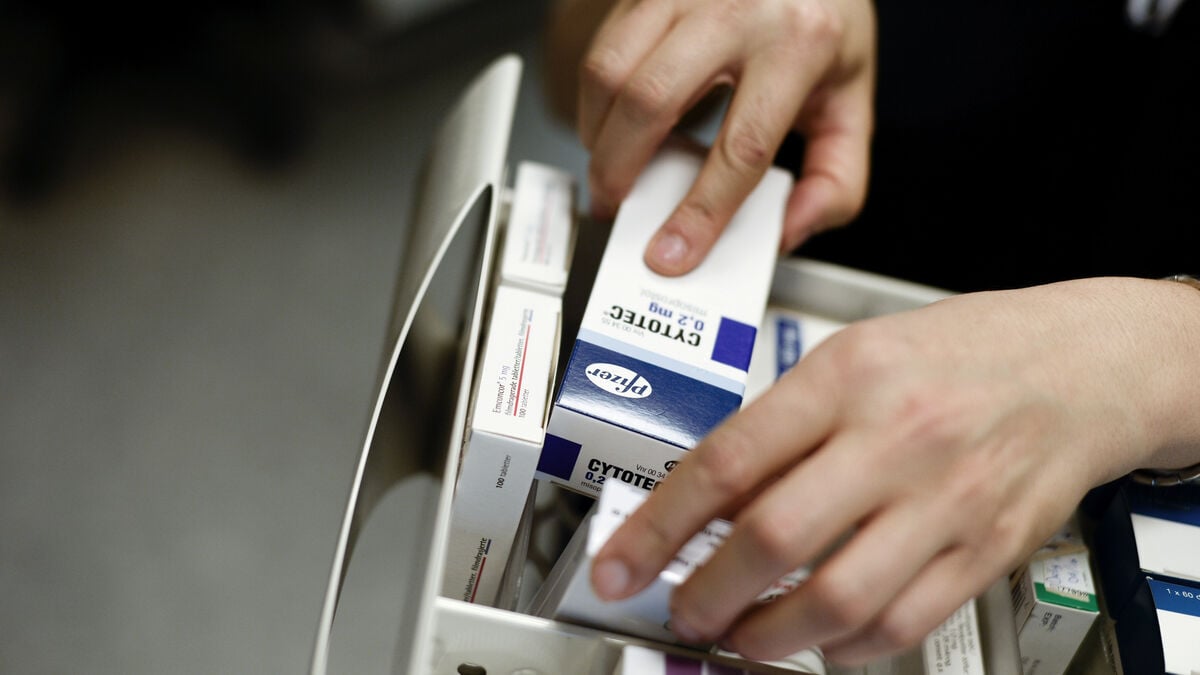
The relatively small prescriptionist program stands out. The relatively unknown program, which leads to jobs primarily in pharmacies, received a whopping 94 percent more first-choice applicants this year compared to last spring.
At Uppsala University, the increase was as large as 600 percent. The explanation: information campaigns and the abolition of the requirement to have studied natural sciences at high school. Many students still had insufficient prior knowledge, so it is better to adapt the program and allow more people to compete for the places, the university argues.
"We see it as an opportunity to get students who are truly motivated and who have greater general potential to complete the program," says Fredrik Jernerén, program manager.
Paid education
The police is another shortage profession. To make the training more attractive, the government has announced paid training for those who stay in the profession for at least eight years. So far this year, 10,649 people have applied, an increase of 17 percent compared to the same period last year.
"We are seeing an increase in the number of applicants already from 2024, when the government signaled that funded police training would be coming. But I believe that the increase is also due to the police authority being an attractive employer in the eyes of young people," says Anders Henckel, group manager at the police training unit.
Facts: Search interest in a selection of programs
This is how much the number of first-time applicants to a selection of vocational training programs with good chances of getting a job increased. This spring's application figures are compared with last spring's.
Prescriptionist (three-year education): 94 percent.
Pharmacist (five-year education): 27 percent.
Opticians: 24 percent.
Physiotherapist: 18 percent.
Occupational therapist: 16 percent.
Biomedical analyst: 15 percent.
Nurse: 13 percent.
Dental hygienist: 10 percent.
Dentist: 6 percent.
Doctors: 5 percent.
Civil Engineering and Engineering: 4 percent each.
The number of first-time applicants increased from 17,624 to 18,346.
First-time applicants to the prescriptionist program at Uppsala University increased from 53 to 374.
Police training (applications 1/1–21/4): 17 percent.
Sources: UHR and the Swedish National Service for Obligation and Probation