The countries are working to put together a broader coalition that can reach a diplomatic solution to the conflict, sources told the American news agency.
According to estimates from Qatar, seen by Bloomberg, prolonged disruptions to shipping lanes in the region, especially the narrow and strategically important Strait of Hormuz - the world's most important transport route for oil exports from the Gulf countries, could significantly affect the market.
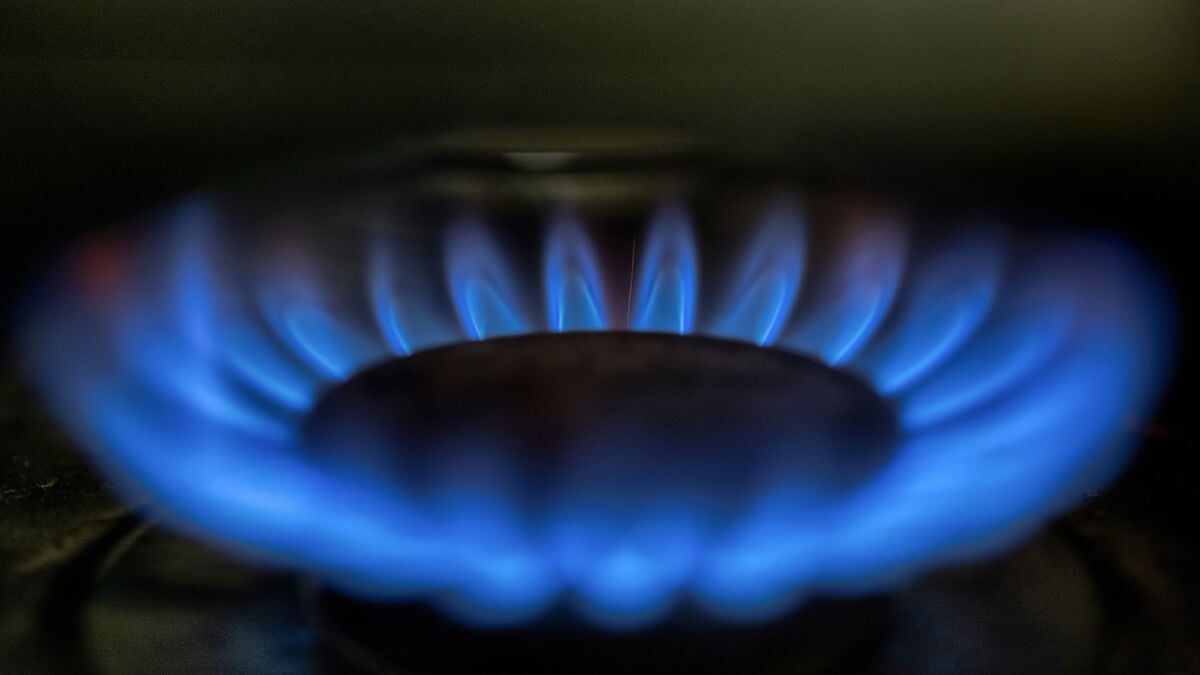
Gas prices in Europe surged by as much as 50 percent over the weekend, a rise that accelerated sharply on Monday after Qatar announced that it had closed the world's largest gas export facility due to an Iranian drone attack.
The price of oil has also risen sharply due to the war, as unrest is taking place in some of the world's largest oil-producing countries. At lunchtime on Monday, the price of a barrel of North Sea oil was $78.30, compared with just over $70 on Friday.
Prices are expected to increase after Iran's Revolutionary Guard announced, according to Iranian state media, that it is closing the Strait of Hormuz and will "set fire" to any ships that try to pass through.
"We will not allow a single drop of oil to leave the region," said Ebrahim Jabbari, an adviser to the Revolutionary Guards, on Monday evening, according to Bloomberg.