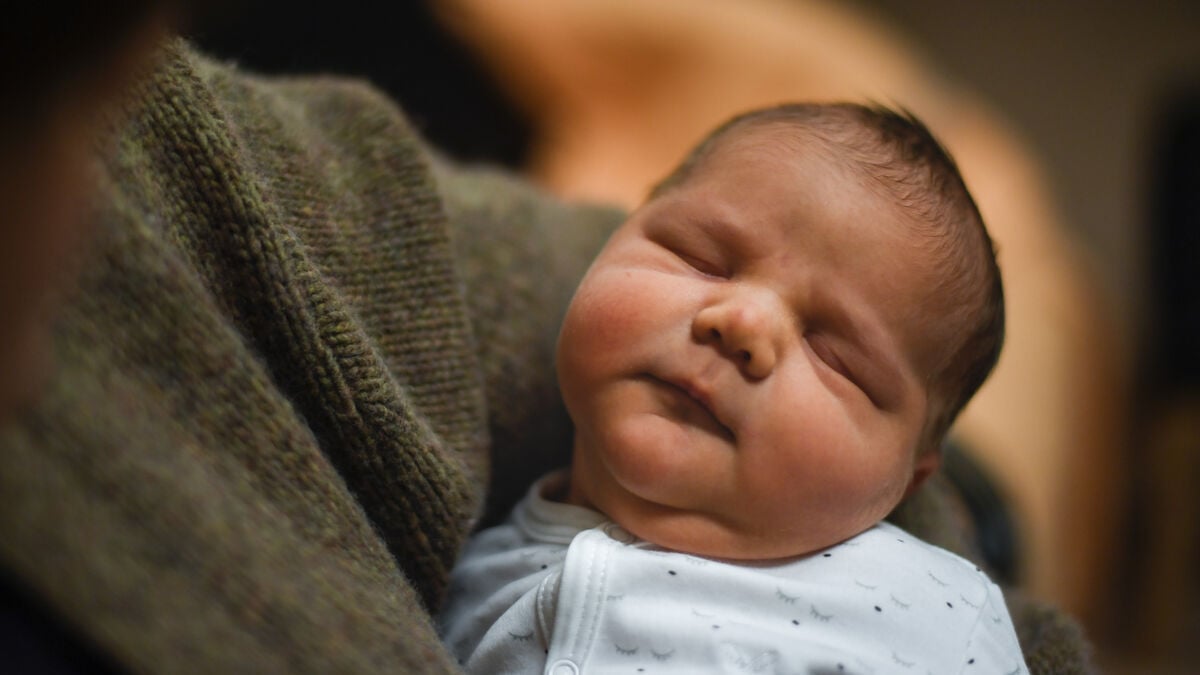
Children born before or during the peak season for RSV, that is during the winter months, have been offered antibodies since last fall that provide protection for five to six months.
Now, data from the patient registry and the Swedish Intensive Care Registry show that the numbers of cases and hospitalizations since the start of treatment in September last year are lower than in previous years. The number of children in intensive care has also decreased - only one child so far.
"It is a very positive result and the picture is shared by hospitals across the country," says Maria State, head of department at the National Board of Health and Welfare.
Although there are several factors that can influence the spread of RSV, it is highly likely that the antibody treatment has been decisive.
A late RSV season may shift the need for hospitalizations in time. Children whose mothers were vaccinated against RSV during pregnancy also do not receive treatment at birth, which affects the total number of children treated.
RSV also tends to have higher or lower activity every other year, which affects comparisons between individual seasons.
"The fact that fewer children need intensive care also reduces the pressure on those departments, which is positive," says Maria State.
RSV is one of the most common causes of respiratory infections in children and often affects children younger than one year. The infection is usually mild, but in infants it can develop into a serious illness that can lead to death.
Infants treated in hospital:
2025 (weeks 37–52): 145 children
2024 (weeks 37–52): 244 children
2019 (weeks 37–52): 412 children
Infants in intensive care:
2025–2026 (September–March): 5 admissions
2024–2025 (September–March): 44 admissions
2019–2020 (September–March): 44 admissions
Source: National Board of Health and Welfare