On Monday, information emerged that prosecutors had opened a preliminary investigation into suspected election fraud in Dalarna.
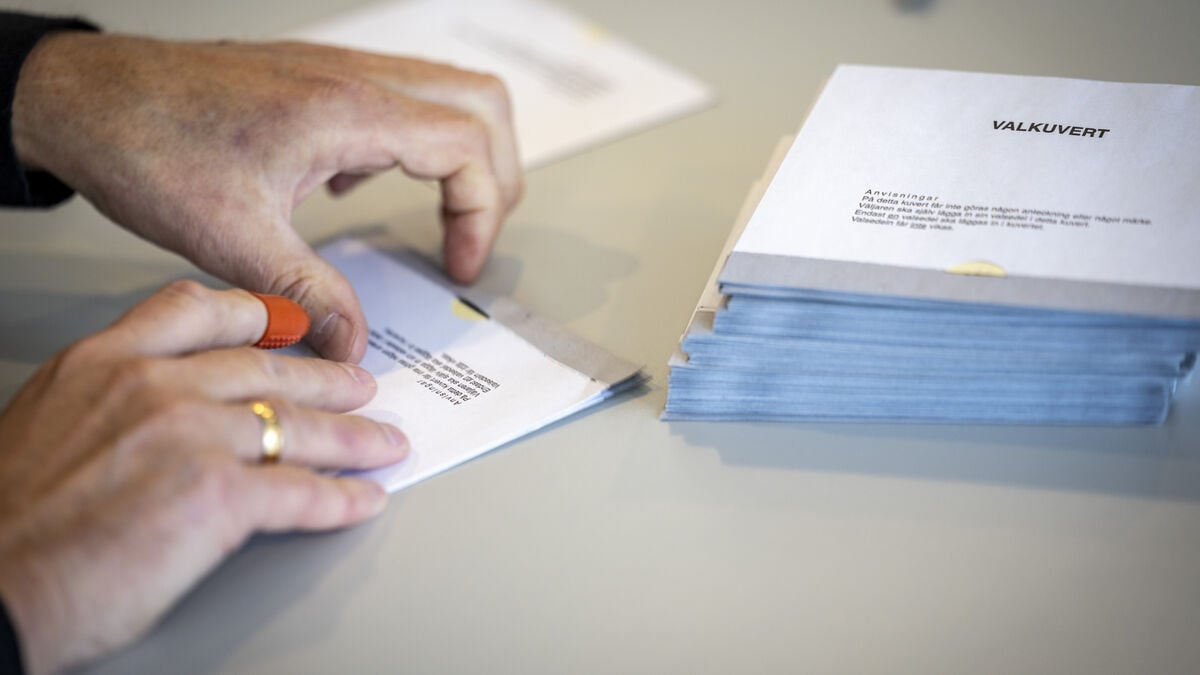
The suspected crime involves marked ballots in the parliamentary elections and, according to an anonymous police report, people allegedly drove voters and provided them with marked ballots.
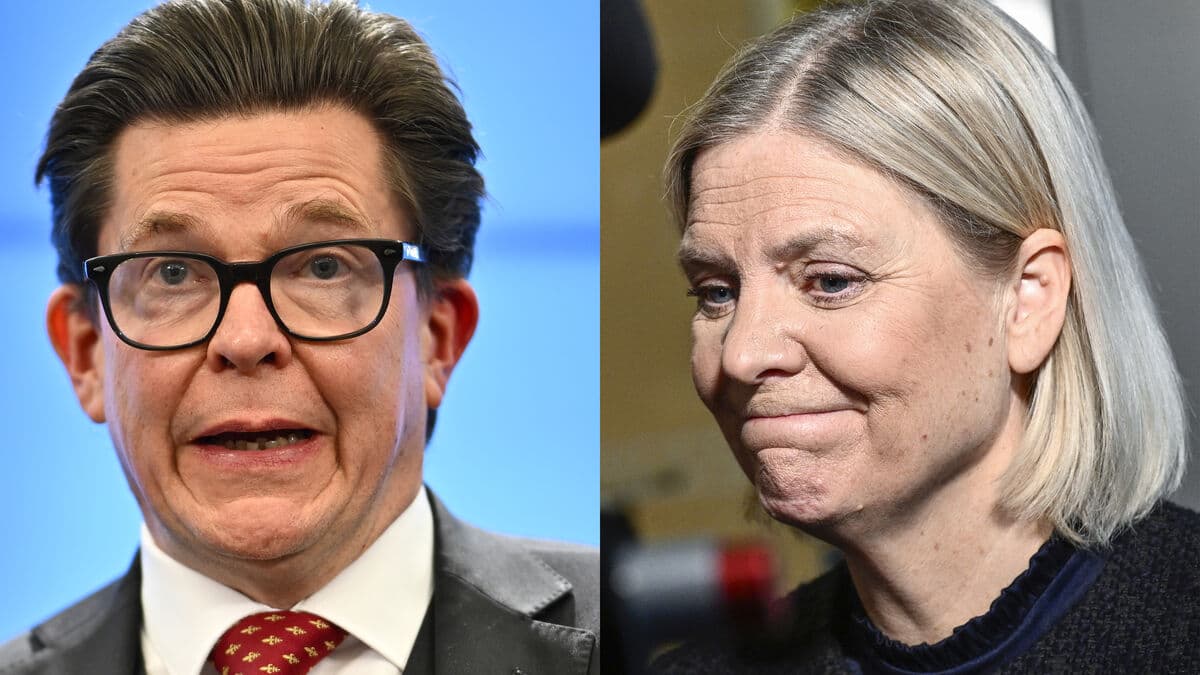
Joakim Nergelius, whose research areas include Swedish and comparative constitutional law as well as EU law, points out that the case is unique even though there have been reports in connection with parliamentary elections that parties have tried to influence potential voters in, for example, retirement homes.
This story is different because it is about personal elections and not just voting for a party but also checking names on the ballot, he tells TT.
Has happened before
However, pre-marked ballots have occurred before.
In 2018, the SD handed out such cards in Halland without telling anyone that they had been marked. Both the county administrative board and the Election Review Board concluded that it was “inappropriate”. However, they had not been guilty of “improper influence on elections” or of influencing the outcome of the election.
Ahead of the 2022 election, a KD politician in Växjö was reprimanded by his own party when he handed out marked ballots for the municipal elections, writes Smålandsposten .
No crime
Driving someone to a polling station or handing out ballots is not a crime, points out Joakim Nergelius. However, offering financial compensation for voting for a certain person or party is.
Then it is a crime and then it is not the voter's free will that decides.
The personal vote reform was introduced in 1998 to give voters the opportunity to vote for a specific candidate with the intention of giving more power to voters. However, Nergelius sees challenges with the current system:
"You would get closer contact between voters and elected officials, and it's a complete failure when only eight members out of 349 manage to get in," he says.
In a smaller constituency, relatively few personal votes are sufficient to be elected to the Riksdag.
I think the entire personal vote system in Sweden is a failure.
Future consequences
He also fears that the suspicious incident in Dalarna could have future consequences:
This story may open people's eyes to the fact that this paves the way for cheating when people realize how easy it is to get caught, he says.
What should be done instead?
Either we have a more consistent system for personal selection, like we have in Germany, for example, or we abolish it altogether, because it serves no purpose as it is now.
Corrected: Previously, the wrong year was stated for the marked ballots in Växjö.