
ADHD diagnoses in Sweden continue to increase, especially among girls and young women. In 2025, nearly 14 percent of boys and just over 9 percent of girls aged 10–17 had an ADHD diagnosis, according to the National Board of Health and Welfare, which also points to a trend break as new cases of depression and anxiety among children and young people decrease.
Sven Bölte, professor of child and adolescent psychiatry at Karolinska Institutet, sees several reasons for the figures.
It may be that ADHD is being detected earlier and mental illness is being prevented. There may also be a shift in diagnoses: symptoms that were previously interpreted as anxiety and depression are now considered ADHD. At the same time, we are identifying groups that were previously missed, such as girls and people with milder symptoms, as stigma has decreased, says Bölte.
School requirements are driving the increase
Another reason for the increase in ADHD diagnoses is primary school, which, according to Bölte, resembles “small universities” where children are treated too early as young adults, responsible for directing their own education.
Some children have difficulty handling so much freedom and uncertainty. At the same time, a diagnosis has become the only ticket to support and credibility. Schools receive extra resources when a student has a diagnosis. We have built a system that forces investigations instead of supporting solutions in schools without a diagnosis, he says.
Joanna Giota, professor of education at the University of Gothenburg, confirms that the increase in independent work over time has different consequences for students. Her research shows that students left to study on their own without sufficient teacher support both perform worse and feel worse mentally.
But there is a lack of research that can link changes in teaching practices to the increase in ADHD diagnoses, she says.
Such research is made more difficult by the fact that confidentiality rules prevent diagnoses from being linked to teaching data.
However, her studies show that special educational support has decreased since the 1980s. A diagnosis is therefore important for getting help.
Criticism of the diagnosis culture
Criticism has been directed at the skyrocketing numbers and at the fact that high achievers choose to be assessed at their own expense. But according to Sven Bölte, the discussion is unbalanced.
Many high achievers and creative people have ADHD traits and are close to the brink of collapse. But we have built a society where diagnoses are given too much importance. We must look beyond diagnoses alone and focus more on the individual's strengths, how we eliminate hindering factors and make use of facilitating factors.
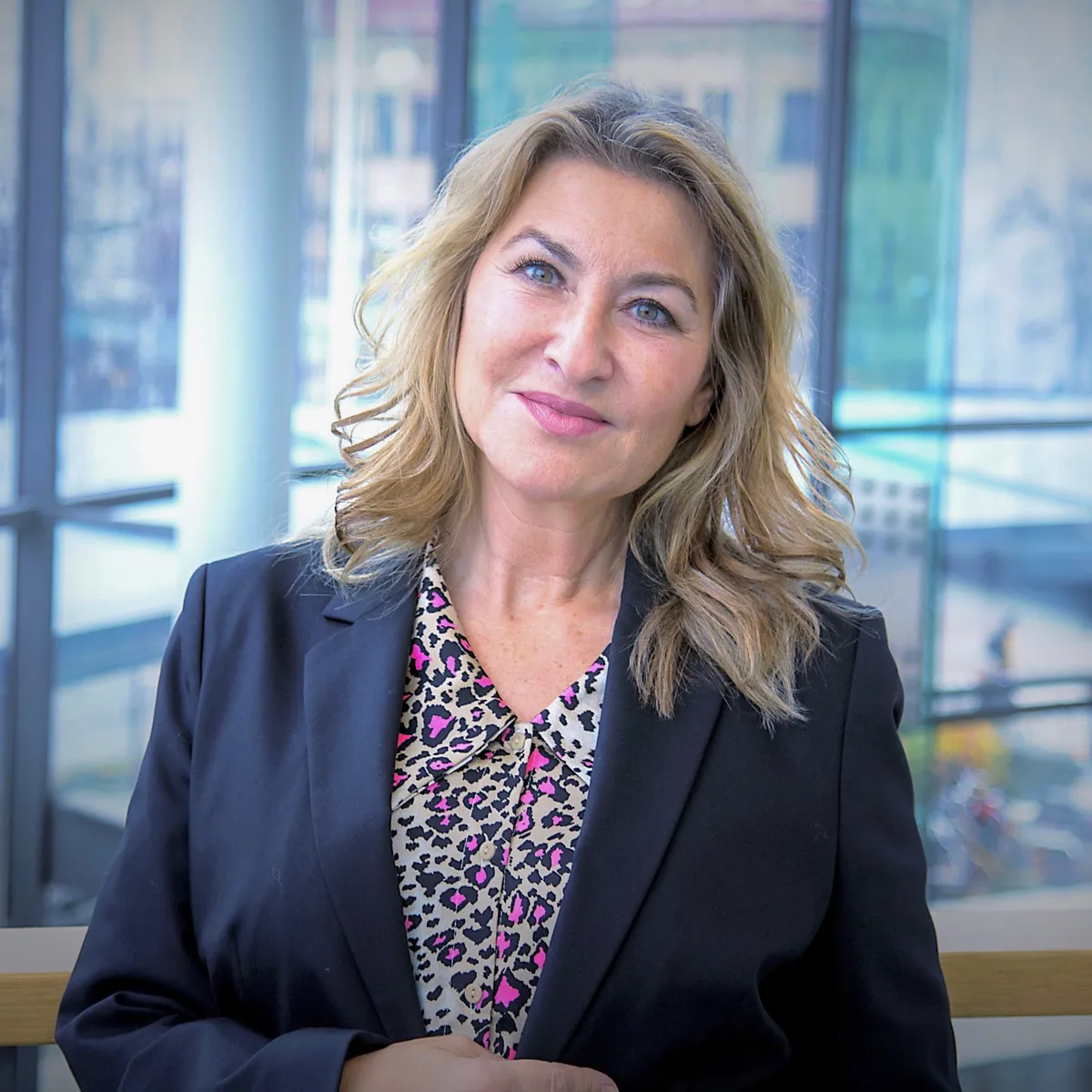
According to Joanna Giota, we need to be careful about describing the development as children becoming increasingly “problematic.” The question is rather how well schools, but also society, manage to meet the variety of conditions and needs that have always existed among children and young people, she believes.








What do you think?