The government recently tasked the Swedish Council for Crime Prevention (Brå) with finding out how culture can be used to combat youth crime. But what about the young people who will now serve their sentences in prison instead of in closed youth care?
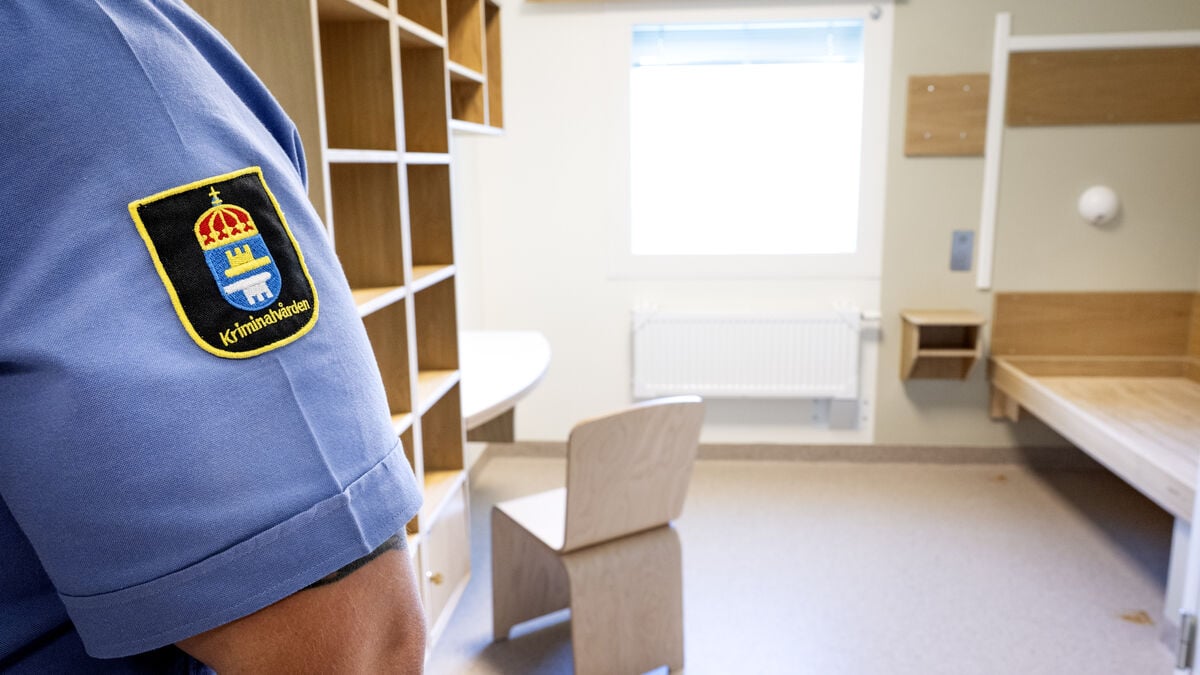
No one has yet been convicted under the new law lowering the age of criminal responsibility, which came into effect on 1 July, but several prisons have set up special children and youth units. Kumla was the first prison to take in around ten young people aged 17 and over who were convicted in July.
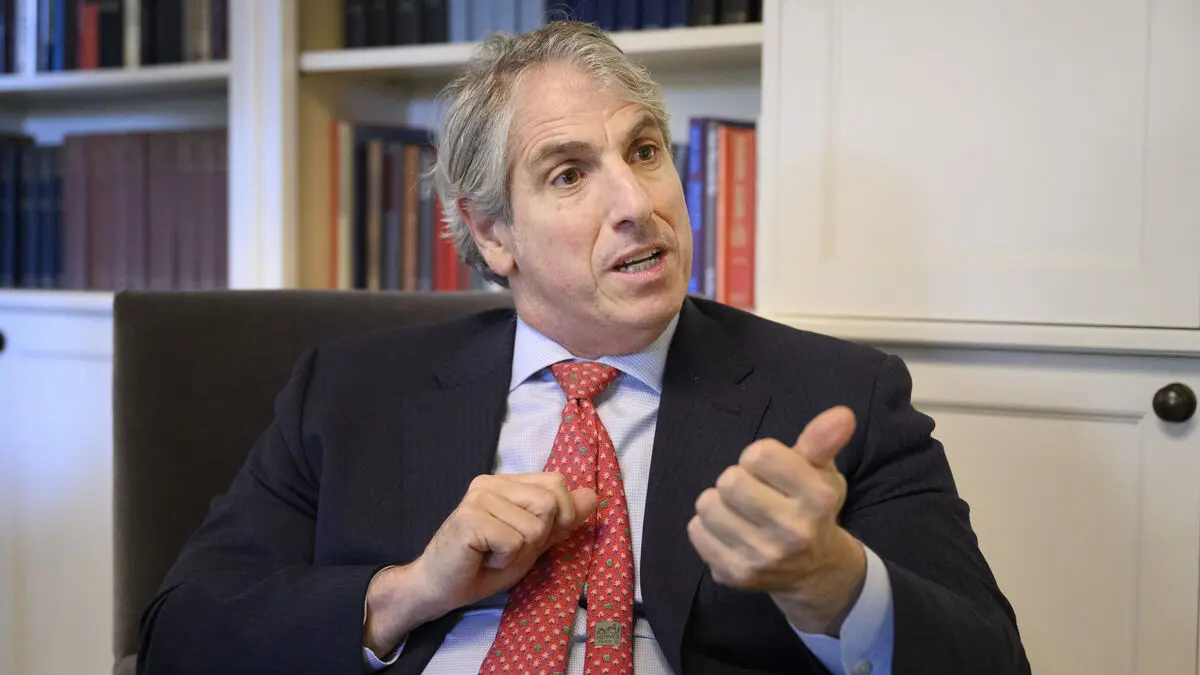
Prison director Jacques Mwepu writes in an email to TT:
"Every child who is placed here certainly has a cultural interest, it is important for us to motivate them so that they can express it in some way."
Last spring you told SR Kulturnytt that there is a lack of resources for culture. What does it look like now?
"We have consistently staffed to handle both compulsory interventions, i.e. school and treatment, but also other structured activities. This could mean, for example, that if an inmate is good at playing the guitar and singing, he is given the opportunity to practice this," the prison director replies.
Seeking support
Jacques Mwepu has also sought support from the municipality and civil society organizations to ensure young people's access to cultural activities. He says he has had discussions with the municipality's cultural director, who is positive.
The Swedish Prison and Probation Service has a long tradition of collaborating with municipalities and non-profit organizations, such as the Swedish Chess Association and the Swedish Writers' Centre West.
Library in the basement
A challenge for the Swedish Prison and Probation Service is the consequences of the overcrowding crisis of recent years. At Kumla, this has led to the library having to move to the basement.
“But all the books are still there and our librarian is working on lending books to all inmates who want to read.”
Mwepu is positive about the government's newly appointed inquiry and hopes that it will lead to "something concrete that can benefit cultural life within our authority in general and young people in particular."
Since the Criminal Liability Act came into force on July 1, prison will replace closed youth care for those between the ages of 15 and 17 who commit serious crimes, such as murder.
In June, the government withdrew its proposal for imprisonment for 13-year-olds and presented a new proposal lowering the age to 14 years.
There are currently about ten inmates and 60 places available for move-in at the institutions with children and youth units. The Swedish Prison Service's forecast is that the number of individuals under the age of 18 will level off at around 300 by the end of 2028.
Staff in the prisons' special children's and youth departments will take part in an educational initiative that includes the importance of culture, with a special emphasis on personal creativity. The preparatory work is based on the Convention on the Rights of the Child and the Havana Rules.