
Today, a large part of police criminal investigations are carried out at police stations. Witnesses, victims and suspects are often contacted by telephone afterwards, sometimes days after a suspected crime has taken place, when memories may have faded.
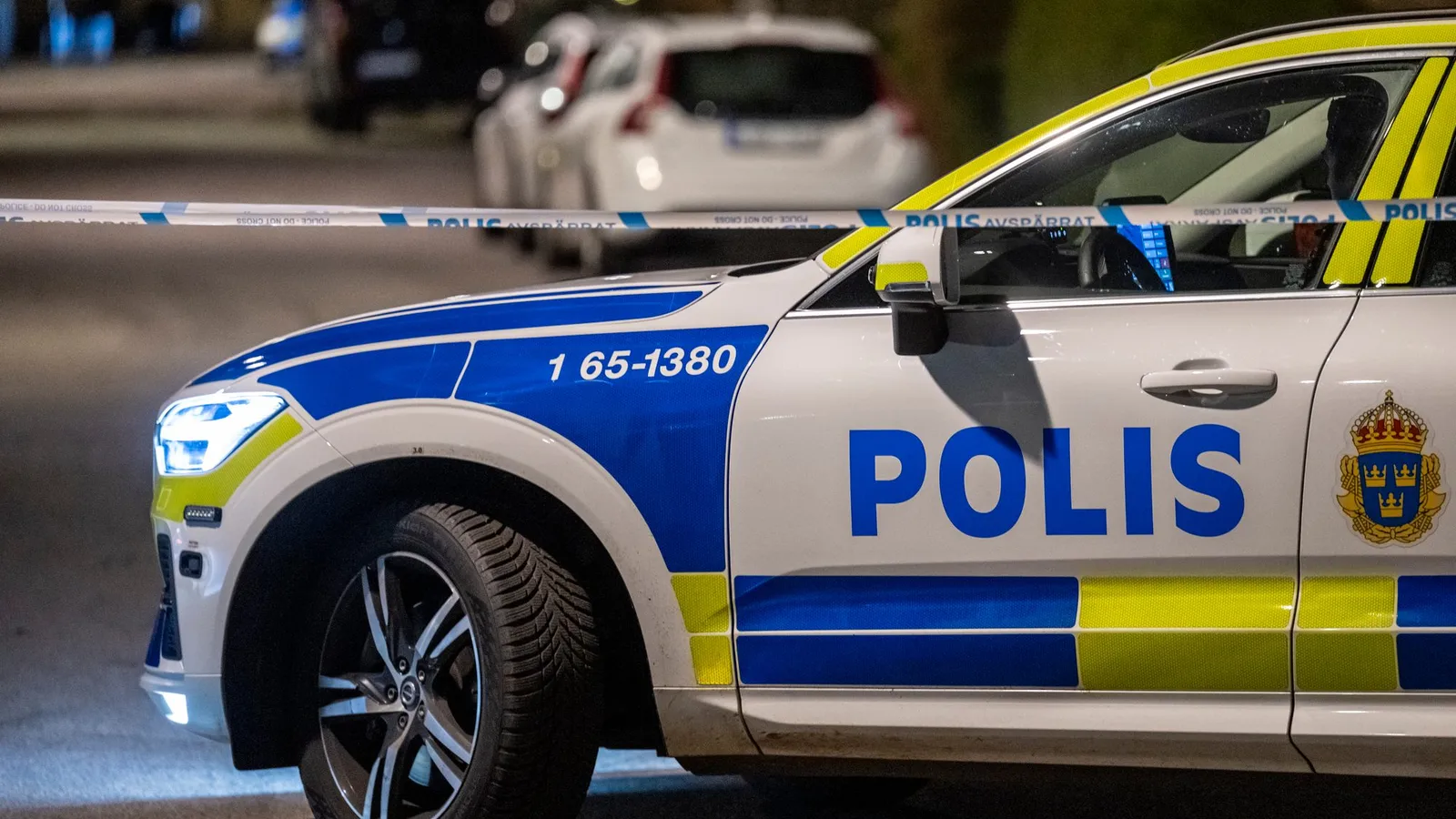
A new approach is now being tested, with uniformed police officers carrying out more of the investigation at the scene. The Kungsholmen-Lidingö local police area in Stockholm has had such a team for a couple of months. This afternoon, two team members will take part in a planned operation. The police have previously been in contact with people who sell drugs via social media. During the evening, they hope to make arrests when a seller shows up for a deal.
Arrests and investigations
Usually, the intervention police hand over the case to investigators, which is time-consuming and involves significantly more administrative work, says National Police Chief Petra Lundh, who is joining the patrol this particular evening.
Now, instead, the so-called external investigators will deal with people who are arrested, conduct interrogations and then report the investigation to the prosecutor.
The long-term aim is to increase the rate at which crimes that do not require lengthy, extensive investigations are solved. Investigators based in the office will instead be able to devote more time to complex, larger cases.
Met with criticism
The method has been tested in other regions, but has been implemented in slightly different ways. Reactions among police have been mixed. In Värmland, among other places, it has raised concerns about an increased workload for officers in the field, as Polistidningen reported.
Katharina von Sydow, chairwoman of the Swedish Police Association, says the change has received both praise and criticism.
We know that it is being done in different ways in different parts of the country, and the most important thing is that proper risk assessments are carried out beforehand. You also need to ensure that there is support for those who work in the field and may need help.
One of the police officers in the newly formed team in Stockholm describes the first few days as positive.
Previously, if we went to an alarm and intervened, there were a few quick questions like "which direction did the perpetrator run in?". Now we can conduct more thorough interrogations straight away. It is more efficient, he says.





What do you think?