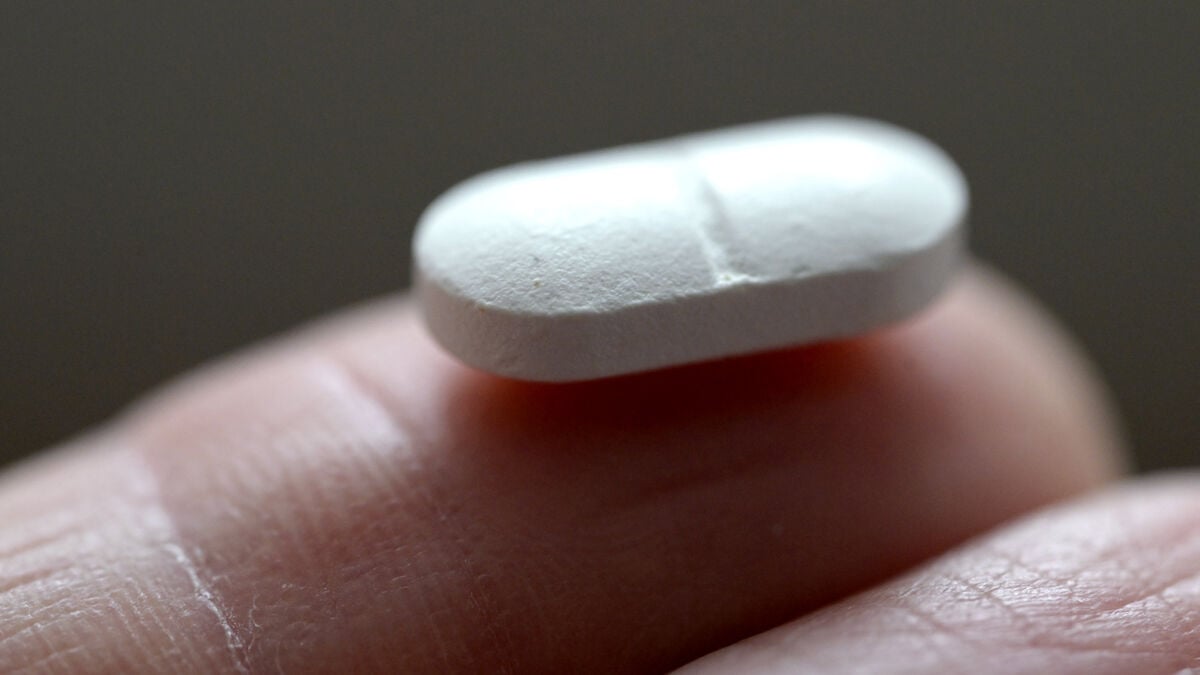
Despite the fact that over 1,400 tons of medicines are collected annually, large amounts still end up in sewers and household waste. Last year, around half a million leftover medicines were returned to Apoteket.
But there needs to be more. It is particularly important to return antibiotics, hormonal drugs and the environmentally hazardous painkiller diclofenac. Even small amounts of drug residues can affect fish reproduction and contribute to the spread of resistant bacteria.
"Submitting them reduces environmental impact, eases the burden on waste treatment plants and lessens harm to the environment and people," says Louise Skalin, chief pharmacist at Apoteket, in a press release.