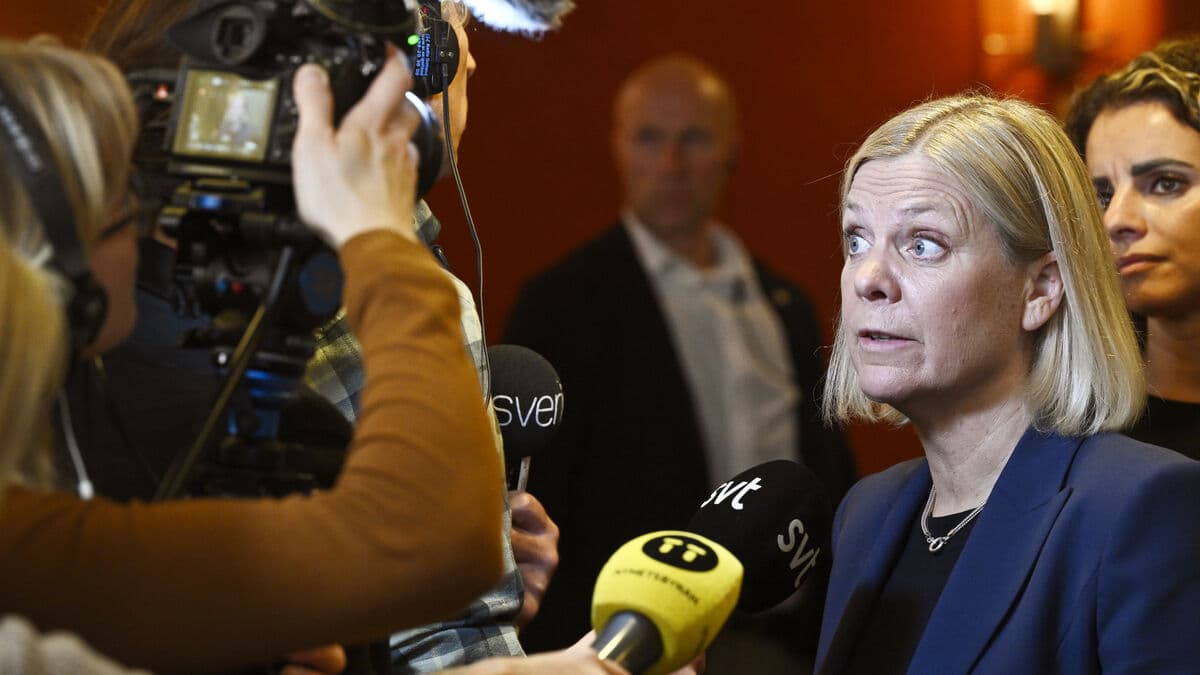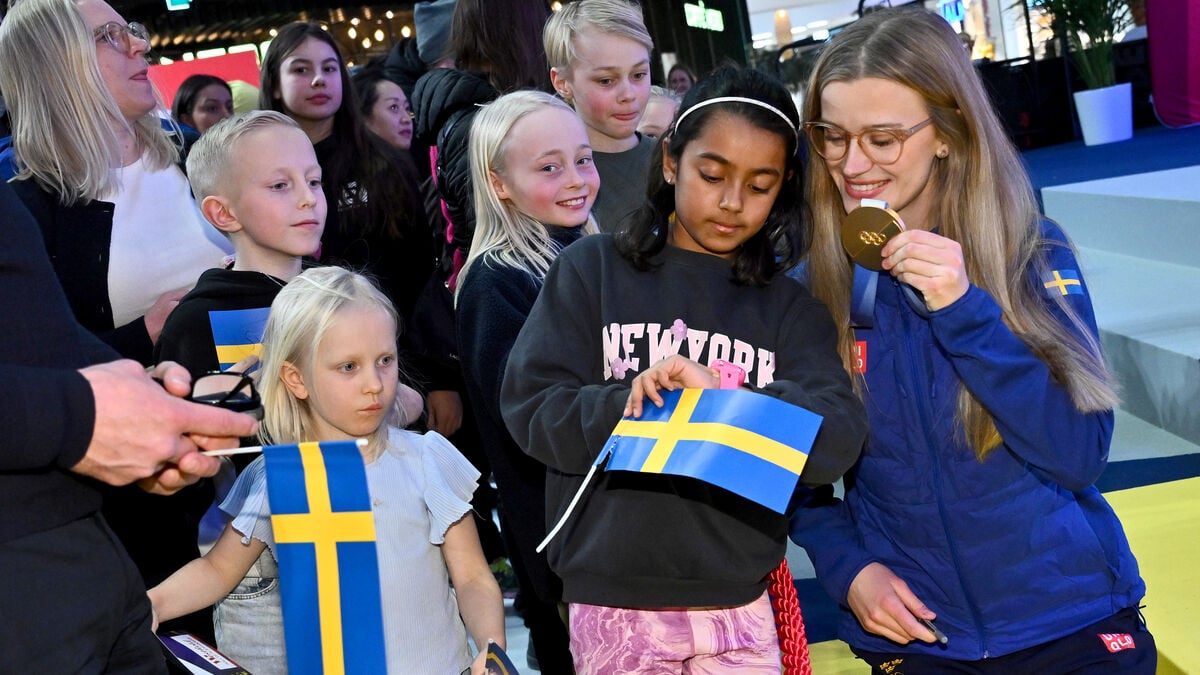
Curling provided both the first (mixed) and last (women's team) Swedish gold medals in the Olympics. The biggest talking point was siblings Rasmus and Isabella Wranå, who played their way straight into people's hearts, at least if you judge by the viewership figures and the media attention they received.
According to SVT, the Olympic mixed doubles final was the broadcast that had attracted the most viewers up to and including February 18, with 2.7 million.
The figure is indeed measured in reach on linear television channels, that is, excluding SVT Play, but still, higher than the Olympic opening ceremony and the women's dramatic ski relay.
"That's Bella's credit. She offers herself, is so spontaneous and goes right into people's hearts," says Peja Lindholm, explaining:
"She's like a fireball of energy. Most of the time it's good, but it can also go a little crazy if that energy is directed the wrong way, so it's perfect to have Rasmus balancing her out."
Participated in three Olympics
As a player, Peja Lindholm participated in three Olympics, the last in Turin in 2006, and won several World Cup and European Championship gold medals.
Lindholm sees the mixed doubles format as part of curling's public success, even though he himself was hesitant when the variant was presented.
"I personally didn't like it as a player, but that's because you're so bound by tradition. At the same time, I quickly realized that it's action and rock 'n' roll," he says.
Peja Lindholm believes the format, where you play five stones instead of eight and with fewer ends, makes it more dramatic and more fun to follow for a wider audience.
"Every stone becomes very interesting, unlike traditional curling where you build up a tactic early in the end and you can go and have a coffee for the first five or ten minutes," he says.
Unexpected attention
During the Olympics, the sport has also received unexpected attention after the brawl between the Canadian and Swedish men's teams and the accusations of cheating.
More expected is the media attention that will follow now that the Olympics are over.
"You shouldn't wear a victimhood jacket. Curling itself has to think about what we can do," says Peja Lindholm.
One option Lindholm suggests is a league system with weekly matches. Another alternative, he said, would be a format with single games.