Author and educator Ellen Key's ideas were radical for her time. As a pioneer in the fight for women's rights, a critic of religion and an advocate of free child rearing ("The Century of the Child"), she aroused not only admiration but also angry debate during her lifetime.
August Strindberg even blamed his divorces on the feminist Ellen Key. Carl David af Wirsén, then the permanent secretary of the Swedish Academy, called her ideas socially destructive.
The lonely one
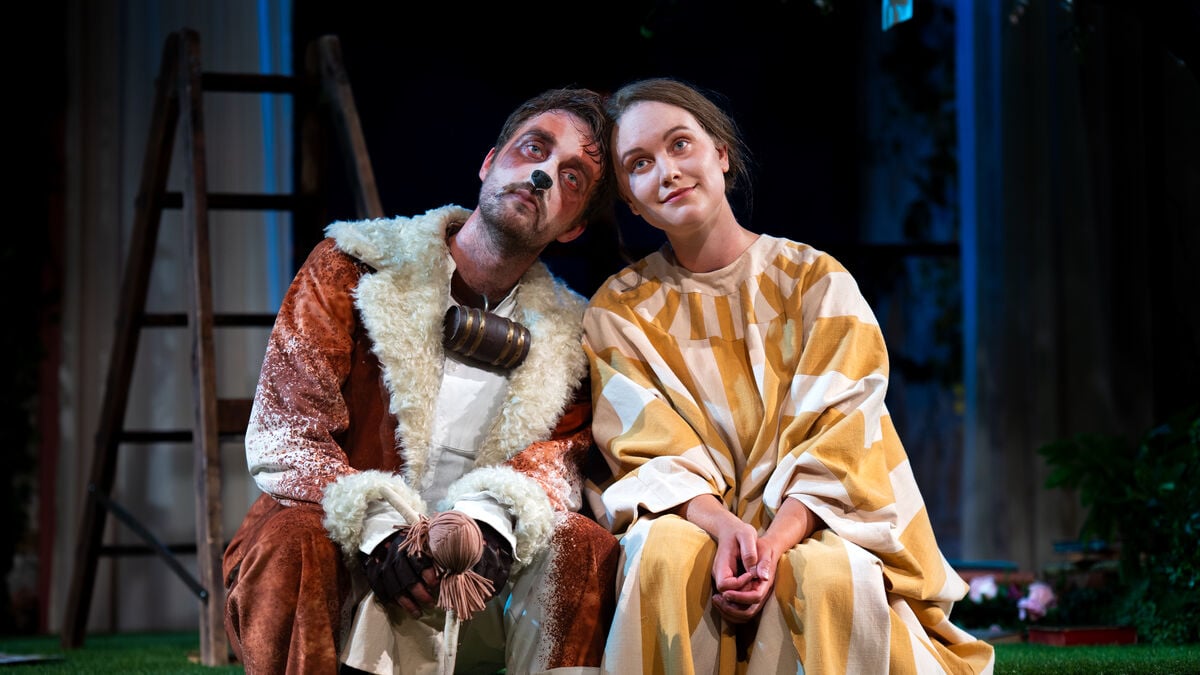
This year marks the 100th anniversary of her death. Vadstena Academy is marking the occasion by staging a newly written opera about her life, “Ellen Key - The Snake Slayer,” with mezzo-soprano Mathilda Sidén Silfver in the title role.
The music is by Daniel Fjellström and the libretto is written by Maria Sundqvist, who until recently was the artistic director of Operaverkstan in Malmö.
But it is not the intellectual thinker Maria Sundqvist wants to highlight in her text, but rather Ellen Key herself, who in her old age looks back on - and examines - her life.
I have chosen to portray the Key who suffered and fought, the one who stood up for her ideas and was constantly prepared to struggle and fight for them. But also the price one must pay for such a struggle.
Sundqvist here refers to how both friendships and romantic relationships were undermined when ideology took precedence over private life. Like when Ellen Key broke up with Elsa Beskow, who could not accept her friend's critical stance on Christianity. But also how she was increasingly plagued by doubts: Was everything she had fought for really right?
Over time, Ellen Key became very lonely. The libretto is also about how far one is prepared to go for what one believes in.
Furious aria
Maria Sundqvist found inspiration for the plot in a photo of Key. Under the photo, she found the text: “Ellen Key against world hatred.”
I shivered when I saw the picture and thought that I should end every act with an aria like that.
And so it was:
"Get away snakes! Snakes of stupidity! Ellen Key against world hatred! In the lives of nations as well as individuals, the hour of fate comes when one is forced to choose between one's welfare and one's conscience," reads the text at the end of the first act.
When the poet Gustaf Fröding died, Ellen Key said that he was a snake slayer, a man who suffered and fought. Perhaps that was how she herself felt, that she was fighting the snakes.
Premiere at Vadstena Academy July 23.
Music: Daniel Fjellström
Libretto: Maria Sundqvist
Directed by: Håkan Starkenberg
Choreographer: Catharina Allvin
Set and costume design: Marcus Olson & Elias Kahn and others