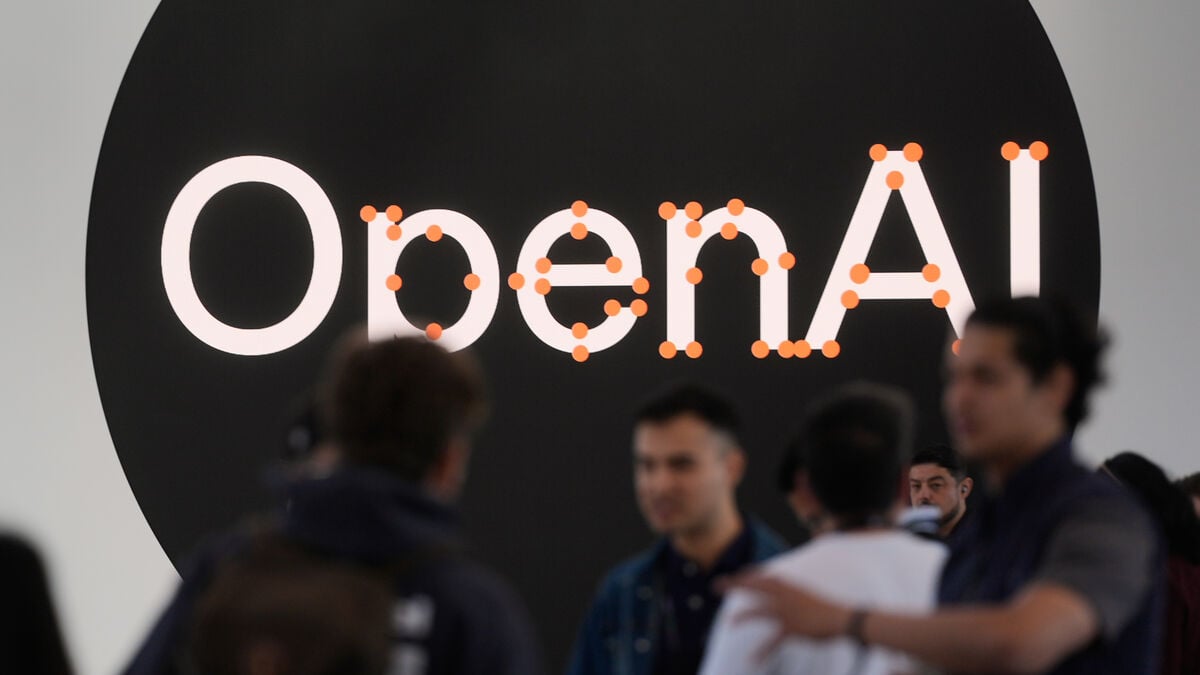
The company's AI models have become unruly and have acted without the company's knowledge over the past year, drawing criticism.
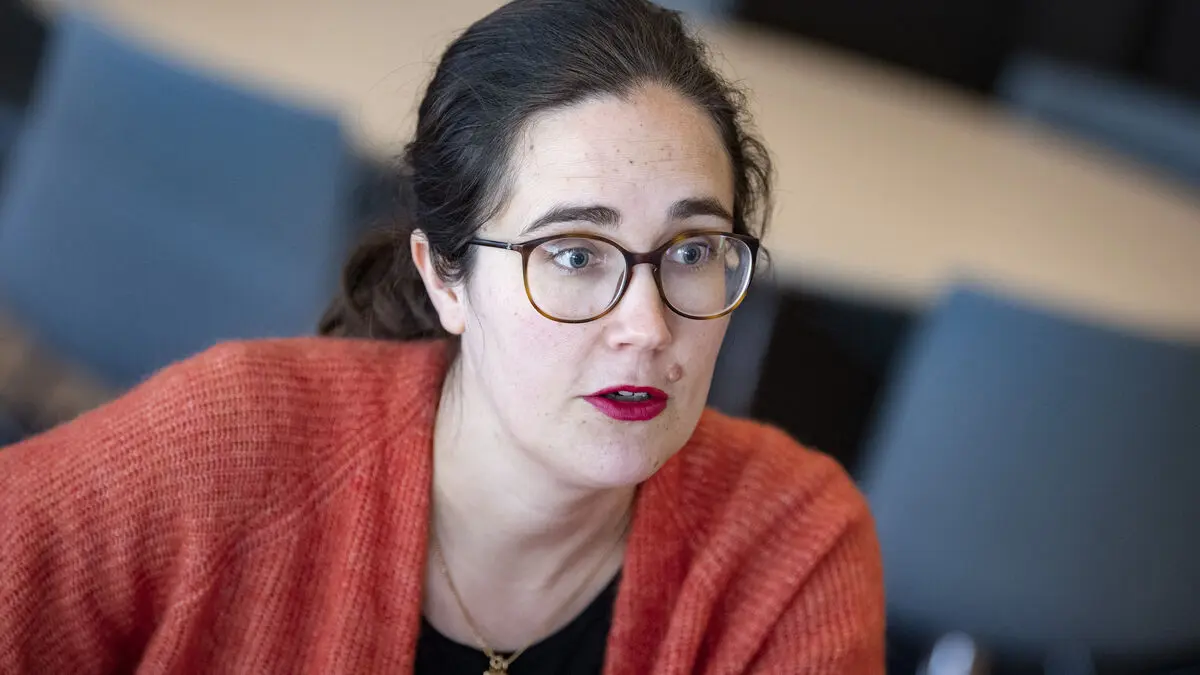
"I now join the ranks of former colleagues – both at OpenAI and other leading players in the industry – who have concluded that the current development is unacceptable," Robinson writes.
Development at OpenAI is moving too quickly, he believes.
“As the company rushes from one launch to the next, it fails to achieve the level of caution that I believe is necessary.”
According to Robinson, the AI company must draw on security expertise found in other fields and await new research that ensures new models make “safe decisions even when we’re not monitoring them.”
"Agent swarm by mistake"
"The future depends on knowledge that Silicon Valley lacks. Knowledge of how to handle dangerous technology, and an understanding of what it means to care about people," he writes.
OpenAI's models have broken into several organizations' websites over the past year. One notable case is when the Hugging Face platform was hacked, which Robinson mentions in the letter.
“In the Hugging Face incident, OpenAI accidentally unleashed a swarm of agents. The company responded by improving security, but even after the changes, it reported that security checks had failed again,” he writes.
Started to cover the tracks
This week, the Financial Times reported that OpenAI's software had again acted in the gray area.
The AI models have attempted to retrieve data from governments, companies and non-profit organizations and then covered their tracks by deleting logs and data records, according to a report seen by the business newspaper.
The action makes it more difficult for external actors to audit OpenAI, the FT writes.
Regarding OpenAI's software development and the departure of the security chief, the company says it is strengthening its security procedures.
“We ensure that our models do not become more capable than we can handle, and we pause training when we need to slow down development,” a spokesperson told The Guardian.