Before the US and Israel's attack on Iran on February 28, the price hovered around $70 per barrel.
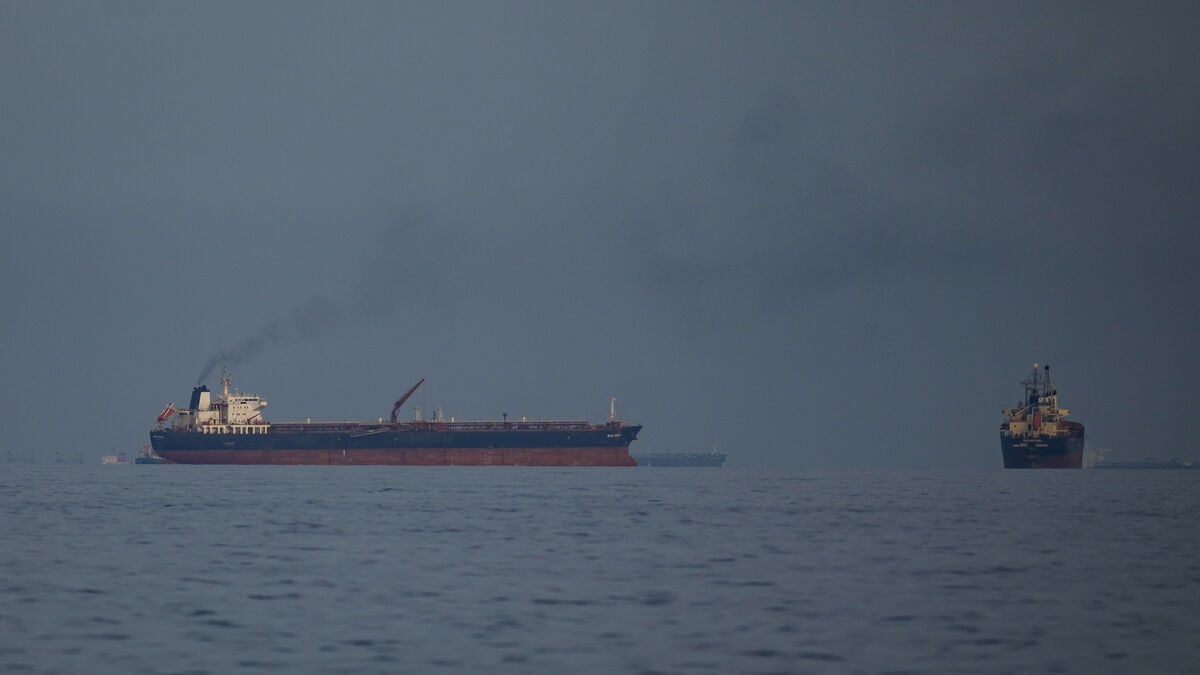
But now countries around the Persian Gulf are being hit by Iranian attacks on civilian ships in the Strait of Hormuz and on other civilian and military targets in the region, and by overcrowded oil storage facilities - which has led to reduced production.
Supply routes are so disrupted, not least through the Strait of Hormuz, that global oil futures prices are rising sharply as supply tightens, and there are no clear signs that an end to the war is in sight.
Economic consequences
US WTI oil also rose on Sunday evening, to around $101 per barrel - compared with $98.71 before the opening.
The development of oil prices risks leading to rapidly rising inflation and reduced economic growth around the world.
The two weeks of war have already left their mark. Government bond yields around the world have been pushed up, stock markets have fallen and the dollar has become more expensive.
An escalation
Following the US attack on Saturday on what Washington calls military targets on the island of Kharg - from which Iran exports almost all of its oil - Iran has accused the US of using locations in the United Arab Emirates (UAE) to attack the island.
Shortly afterwards, an Iranian drone attack started fires at the major oil terminal in Fujairah in the UAE.
That attack is in turn considered an escalation of the conflict that could lead to even heavier economic consequences.
Until now, the region's oil infrastructure has largely been spared, Natasha Kaneva, an analyst at the major American bank JP Morgan, told CNBC.