
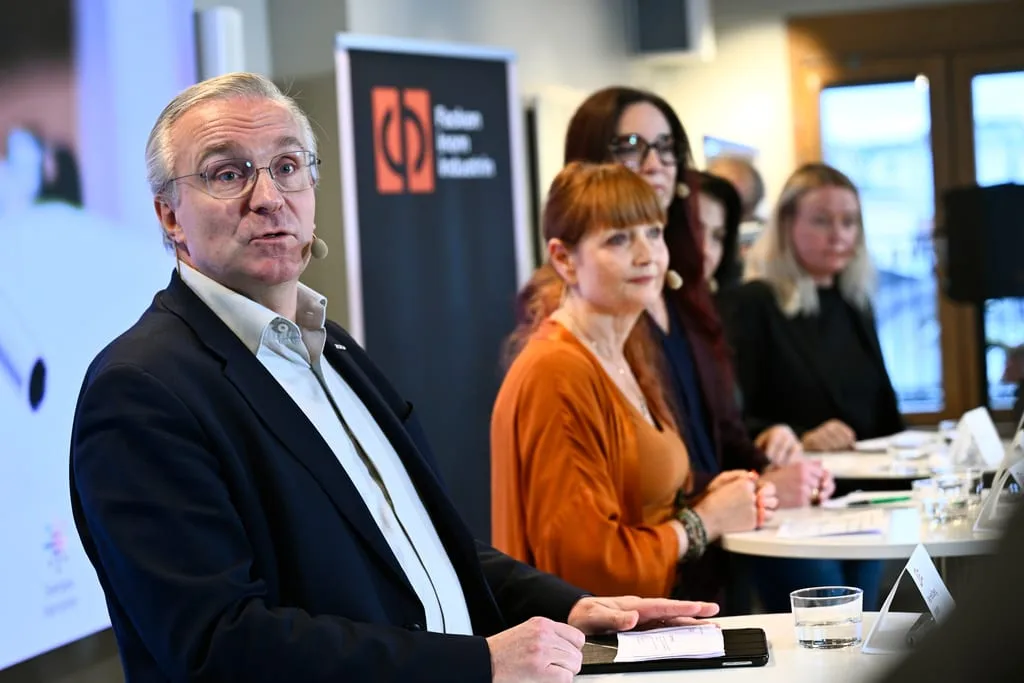
The grid companies have been overcompensated for their costs. That is why we started reviewing the regulation several years ago, says Tommy Johansson, head of department at the Swedish Energy Markets Inspectorate (Ei), which monitors local monopoly companies to ensure they do not charge excessive fees.
Brake on fees
But despite years of steep increases in electricity grid fees - the exact scale of which is unclear - the new method will not result in lower fees. Rather, it will act as a brake on future increases.
The scope for increases is shrinking, says Johansson.
Ei's preliminary calculations show that the new method will give electricity grid companies revenue frameworks of SEK 380 billion for 2028–2031. In nominal terms, this is on par with the revenue frameworks for the previous four-year period, 2024–2027.
If we had continued using the method we have today, the revenue framework for 2028–2031 would have been SEK 37 billion higher. So electricity grid fees will rise significantly more slowly than they would have if we had not made this change, says Johansson.
Unused scope for price increases
However, the scope for increasing fees at the approximately 170 electricity grid companies - including major players such as Vattenfall, Eon and Ellevio - will depend not only on the new revenue framework, which Ei will formally decide on in October next year.
The grid companies will also be able to carry over unused scope for fee increases from previous years.
The unused scope for 2024–2027 looks set to total around SEK 40 billion. But we will only know for sure in 2028, when the period is over, says Johansson.






What do you think?