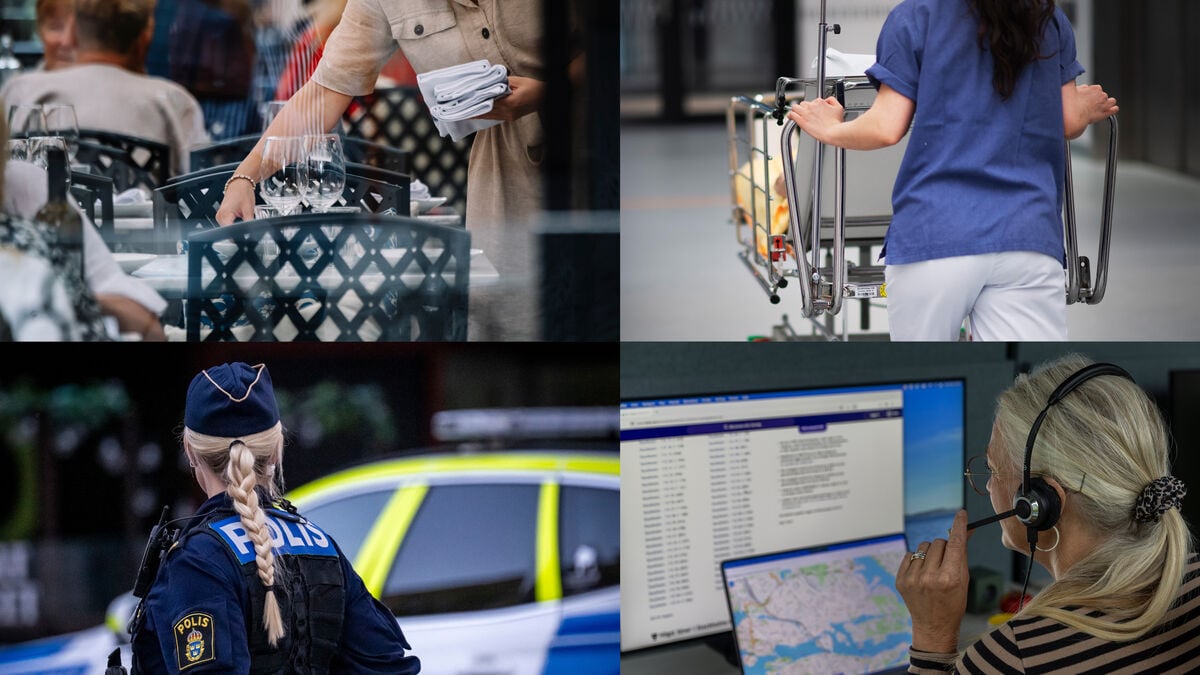
There are many employers who want to do the right thing, but don't really know how to do it, says Sarah Sim, Director of Standardization at the Swedish Standards Institute.
Companies can save both time and resources by using the standard, she believes. She also believes it could have a significant impact, as there has been strong advance interest, not least among companies.
Ventilation and clothing
For some, it may be about tangible things like improved ventilation or work clothes made of functional materials that can breathe, but those hoping for precise checklists of what should be done for people with menstrual or menopausal problems will be disappointed. The conditions vary too much between different professions and workplaces.
You have to start from where you stand and see what you can improve, both from a work environment perspective, but also from the perspective that there are gains for the organization by increasing productivity and reducing sick leave, says Sarah Sim.
If there are clear guidelines for how these issues should be handled, employees know that support is available if they need it, she emphasizes.
This may involve physical adaptations, for example, ensuring there are enough opportunities to take breaks to be able to manage menstruation and menopause.
May benefit men
It can also be about being able to discuss flexible working methods with your employer, if you feel you need it for a period of time, says Sarah Sim.
Menstruation and menopause affect half the population in different ways for a large part of their lives. If employers become more sensitive to how it affects the workplace, it could also benefit men, she believes.
Creating a better work environment based on a target group is still something that benefits everyone.