It has been a ten-month roller-coaster ride between the two countries, a conflict that, with nuclear weapons at stake, is engaging the entire world.
It began with a letter from President Trump to Iranian leader Ali Khamenei last April, urging negotiations - but also setting a two-month deadline.
Regime in turmoil
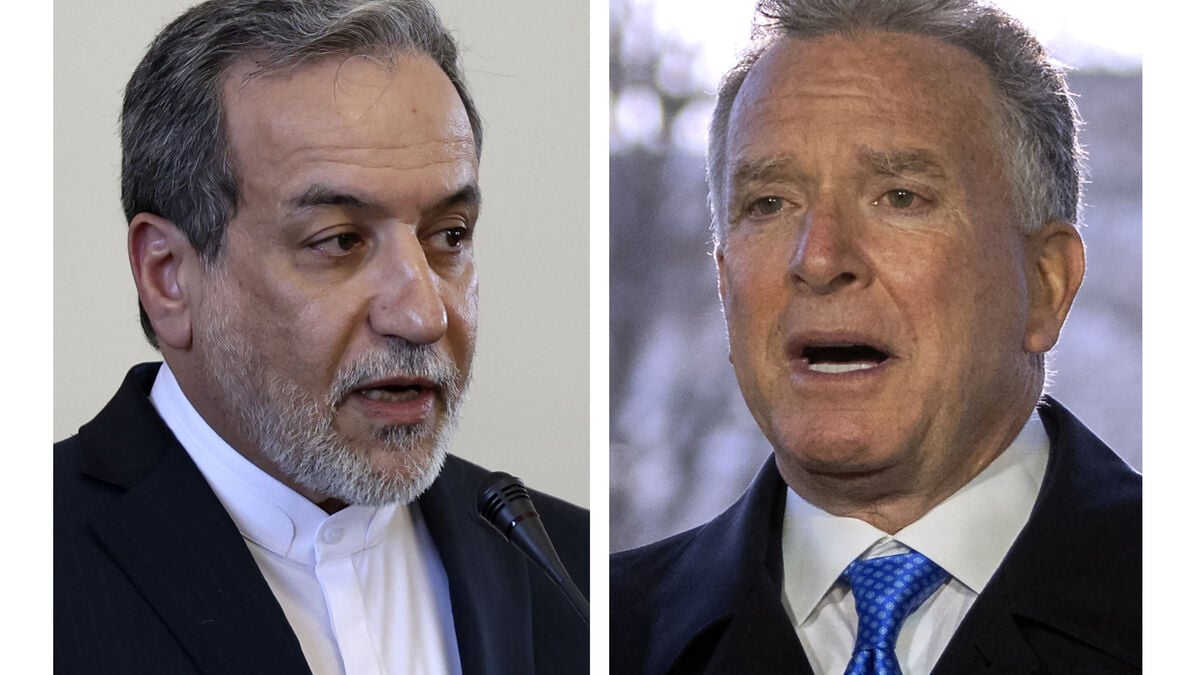
Several meetings were held between US envoy Steve Witkoff and Iranian Foreign Minister Abbas Araghchi. Hopes were raised that an arrangement could be agreed upon where Iran could continue to invest in peaceful nuclear technology, but not build nuclear weapons that would threaten, among others, the US's close ally Israel.
At the same time, however, Iran played a background role in Israel's war against Hamas in Gaza, and by the summer tensions became too great. Israel launched a broad attack, and also received decisive military assistance from the United States in what became known as the Twelve-Day War.
Afterwards, both Iran's nuclear program and military capabilities were severely strained. This winter, a popular uprising produced demonstrations across almost the entire country, and the Islamist regime seemed to be on the brink.
Sounds positive
This may have contributed to a renewed willingness to negotiate. On Friday, Witkoff and Araghchi are due to meet again in Oman, one of the countries in the Middle East that has positioned itself as a mediator.
The Iranian Foreign Minister sounds positive.
"President Trump has said 'no nuclear weapons for Iran,' and we agree with that," he told CNN.
Araghchi makes no secret of what the Tehran regime's most important goal is - to escape the extensive sanctions imposed by the US, which have a stranglehold on the Iranian economy.
It could be a very good deal. But in exchange, we obviously expect the sanctions to be lifted.