However, the Israeli military has advanced north into Lebanon, despite the current ceasefire there.
Netanyahu said earlier this week that Israel will take up “strategic positions” in Lebanon and reinforce security buffer zones.
Against Zaharani
The Prime Minister also said that residents north of the Litani River would leave the area and that the Israeli military now has the Zaharani River as a new benchmark, north of the Litani River.
On Friday afternoon, confirmation of the offensive arrived.
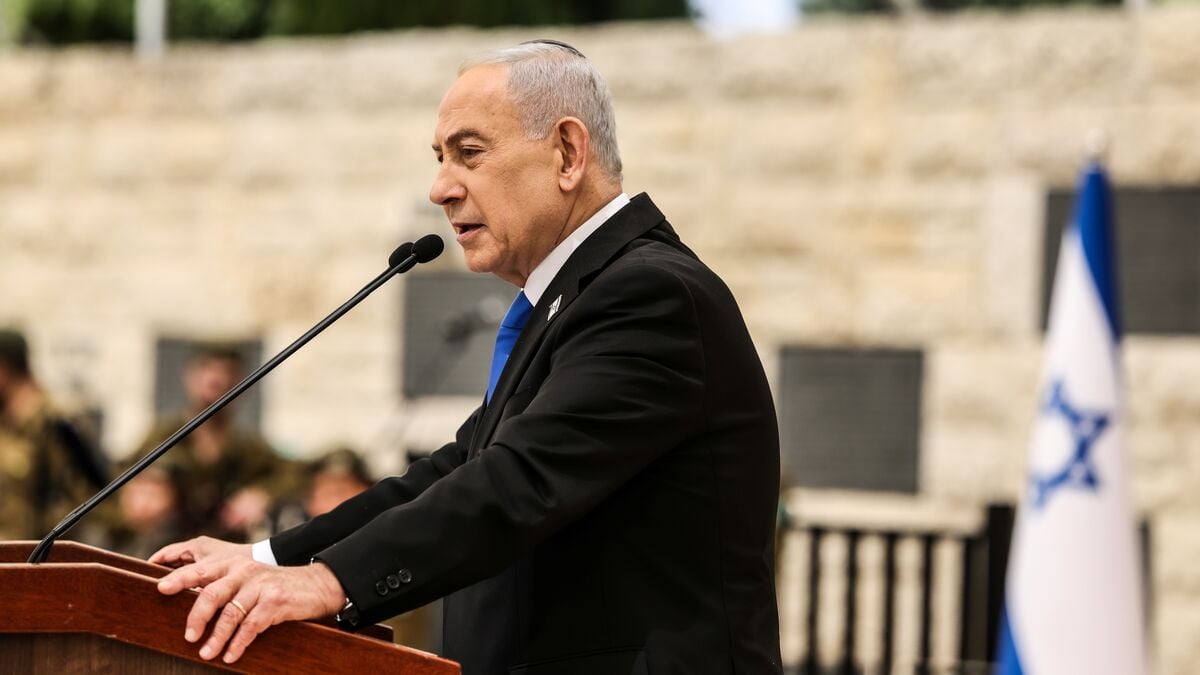
"Our forces have crossed the Litani and moved up into difficult terrain, and are now striking Hezbollah in a frontal attack," Netanyahu said in a video released by the Prime Minister's Office, where he was near the border with Lebanon during a visit to Israeli forces.
Netanyahu also said Israeli operations are being carried out in the capital, Beirut, and in the Bekaa Valley in the east, which is one of the strongholds of the Iran-backed Hezbollah movement.
The announcement came as talks were to be held in the United States between military representatives from Lebanon and Israel. The meeting is being held at the Pentagon.
Demanding a ceasefire
"(The Lebanese delegation) will stress the importance of a ceasefire, and will present proposals for a state monopoly on arms supply and expanded power authority in Lebanon," a source told AFP.
Lebanon's delegation is led by the army chief of military operations, Georges Rizkallah.
Israel's negotiating team includes Amichai Levin, who heads a strategic department within the Israeli military.
The ceasefire that formally began in mid-April was concluded between Israel and Lebanon, but applies to fighting between Israel and the Shiite militia Hezbollah.
Hezbollah is not an active party in the ongoing negotiations.