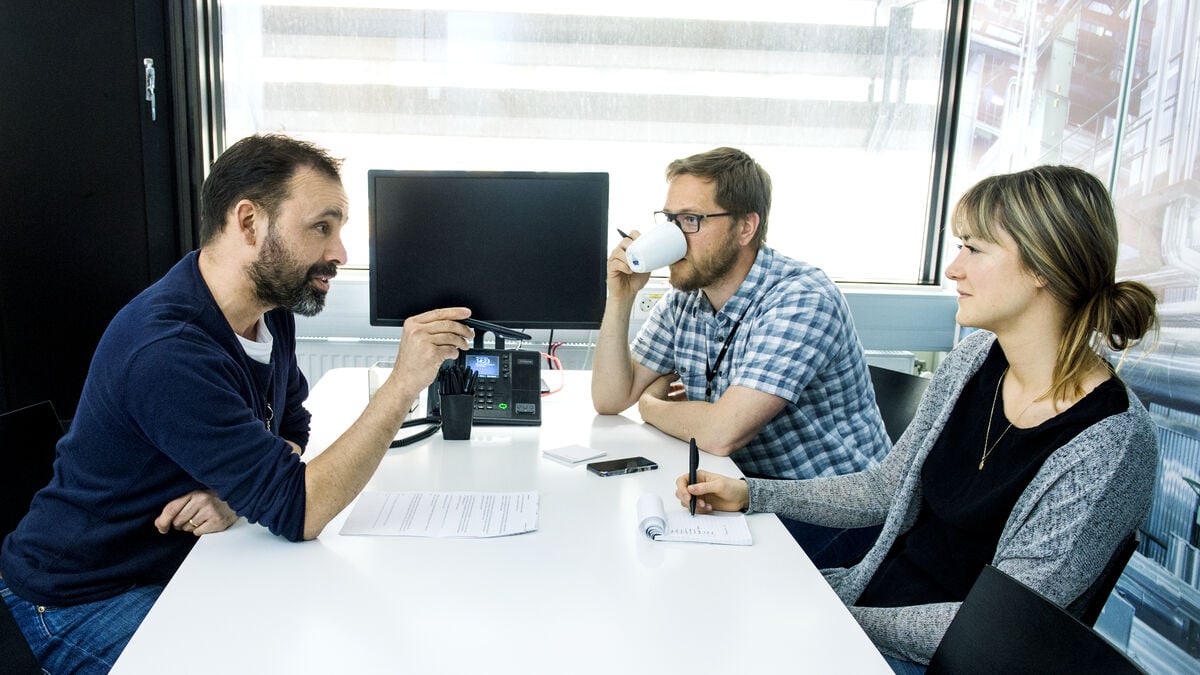
Almost half, 49 percent, spend more than seven hours of their working day sitting in an office chair. The figures behind the company Falck's report "Stillasittande i arbetslivet 2026" (Sedentary Work Life 2026) are based on just over 26,000 health and work environment profiles conducted in Swedish workplaces. The statistics also show a gradual deterioration in recent years.
The trend is going in the wrong direction. We are becoming more and more sedentary, says Åsa Miemois, a health developer at Falck, to TT.
We have a society with digitalization and technology that has eliminated natural movement, and it is very easy to have a sedentary work life.
Decisive factor
The pandemic and the way it changed the working day have also been decisive factors. Working from home offers some obvious benefits but can also contribute to an even more inactive life.
Sitting also has consequences, including rising stress levels among participants, the report shows. A third of those who sit for seven to nine hours report stress levels that can pose a risk to their health and, in turn, cause mental fatigue that is difficult to break free from.
Our recovery today is very passive precisely because we are so tired. For example, we take out our phones in the coffee room "because it's the only thing I can do", but that only increases the fatigue; the brain receives even more information, says Åsa Miemois.
Another consequence is difficulty sleeping. Three out of ten respondents who say they sit for more than seven hours also report difficulty sleeping.
"In the evening, you might be watching TV while using your phone instead of going out for an evening walk. There is a lot of research that shows that movement helps the body relax and become tired, so you sleep better," she says.
Small breaks help
Åsa Miemois emphasizes that small breaks can make a big difference, whether it's a short walk at lunchtime or stretching your legs between meetings.
However, it is not just about what the employee does; the employer also has a great responsibility.
I think employers would really benefit from understanding that this is a work environment issue. Instead of thinking, "Now you get a free gym membership for a week here," how can we integrate that more into the work environment?
1. Take daily lunch walks.
Schedule lunch and other breaks, and aim to get outside at lunchtime to break up long periods of sitting.
2. Remind each other.
Remind each other in the workgroup to take a break and move around.
3. Get in daily exercise.
Even outside work, it is possible to get some daily exercise: go shopping, carry grocery bags or work in the garden if you have the opportunity.
4. Include movement breaks.
Include movement breaks during longer meetings.
5. Think creatively.
Hold digital meetings or phone calls standing up.