Seven out of ten women in the ages 45–60 experience some form of menopausal symptoms with symptoms such as hot flashes, sleep disorders, mood swings, decreased sexual desire, joint pain, brain fog and problems with the urinary tract.
But many of these women are neglected by healthcare, according to Maja Österlund, the National Board of Health and Welfare's project manager for the guidelines:
I think women have experienced both poor treatment and poor care. Women may have raised symptoms and shown a need for support and interventions from healthcare, which they have not received.
Therefore, the most important point in the guidelines is to raise the level of knowledge in primary care.
Healthcare needs to be able to take care of people who have menopausal symptoms. It can have major consequences if you do not understand that it is about menopause, but instead treat individual symptoms. You treat depression with antidepressant medication or headache with painkillers and so on, says Maja Österlund.
Can help more
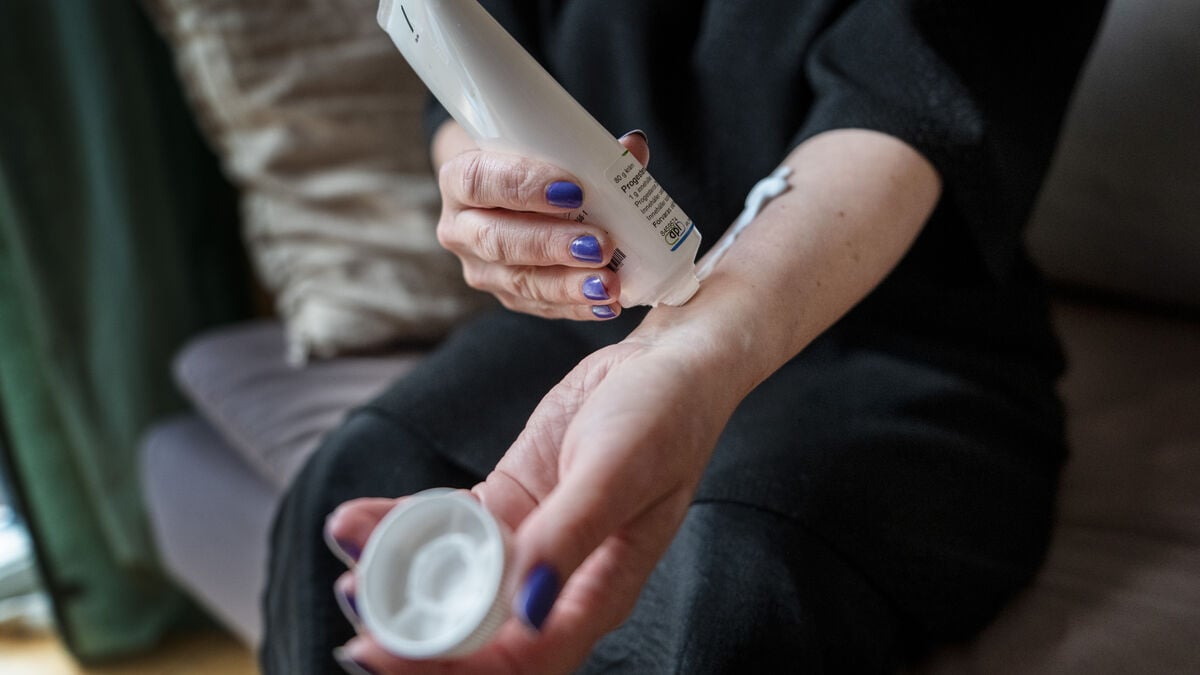
The guidelines also point to the importance of informing about hormone treatment – systemic menopausal hormone therapy (MHT).
It's not up to us to decide if a woman needs hormone treatment, but we think more would be helped by getting hormone treatment if you want and can get it.
In the guidelines, the National Board of Health and Welfare writes that MHT needs to be followed up regularly, but that the symptom-relieving and preventive effects outweigh the risk of breast cancer.
Relieved symptoms can of course do a lot for the individual, but the treatment also reduces the risk of osteoporosis later in life, says Maja Österlund.
Every third unprepared
A previous survey has shown that every third woman in menopause was not prepared for the change and possible symptoms.
Unfortunately, it has been taboo and something you haven't talked about. It's only in recent years that we see that it has become more discussable. But still, many with symptoms do not know that there is help to get. The ignorance I also think unfortunately has affected healthcare, says Maja Österlund.
Facts: Menopause
In menopause, hormone levels in the body change. It is both the amount of estrogen and progesterone that decreases. The number of eggs in the ovaries is running out, ovulation and menstruation become irregular and eventually stop completely. About five years after the last menstruation, the eggs are completely finished and the body has a constant low level of estrogen.
Estrogen affects many organs throughout the body. Many of the symptoms that occur are due to the decreasing amount of estrogen in the body.
Some common menopausal symptoms:
Hot flashes and cold flashes, sleep problems and fatigue, mood swings and depression, dry mucous membranes and skin, decreased sex drive, problems with the urinary tract.
Source: 1177