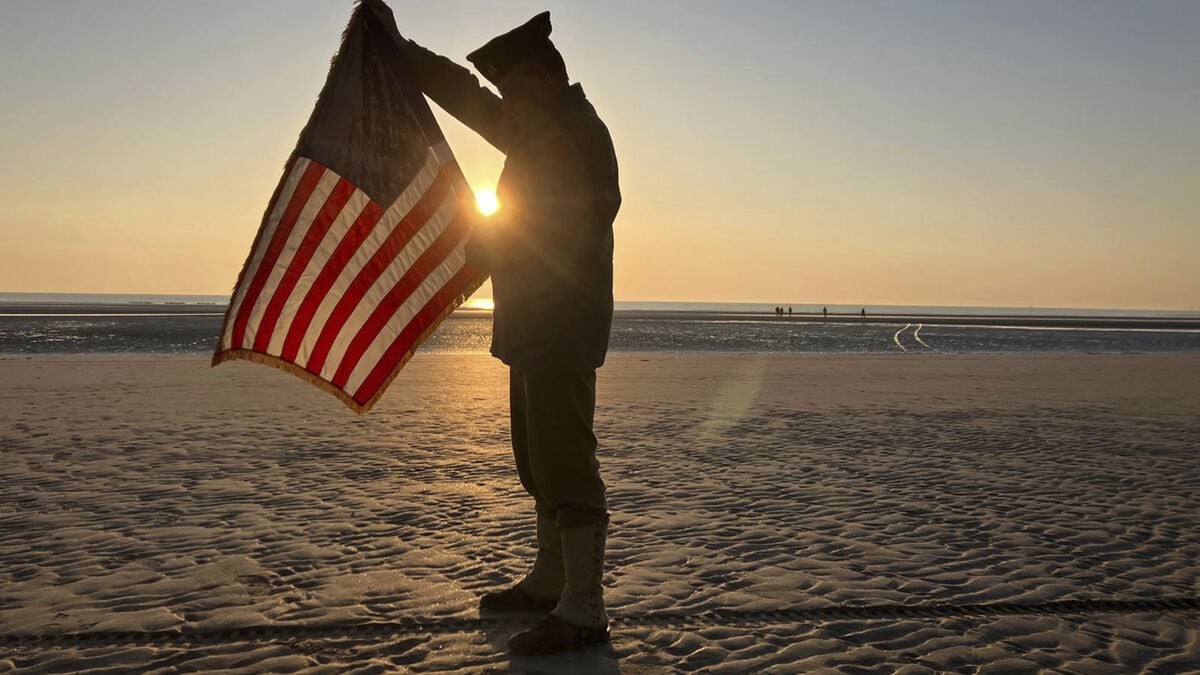
The more than 80-mile-long beach in Normandy on the coast of France was the site of the Allied landings on June 6, 1944. The five beaches from D-Day are known by their code names - Utah, Omaha, Gold, Juno and Sword Beach.
"This decision places a special responsibility on us. It obliges us to preserve this area, to protect and safeguard it even more," says Normandy regional president Herve Morin.
Greece's 2,918-metre-high Mount Olympus also makes the list. The mountain is noted for both its rich biodiversity and its role in Greek mythology.
In Japan, 19 archaeological sites in Nara Prefecture from the 6th to 7th centuries are also listed as World Heritage Sites. The area includes remains of palaces and Buddhist temples.
South Sudan also received its first World Heritage Site when the Boma-Badingilo Migration Landscape was inscribed on the list. The area is home to one of the world's largest mammal migrations, where around six million antelopes move across the savannahs.
The decision on the new World Heritage Sites was made at a UN meeting in South Korea on Sunday.
Corrected: In a previous version there was an inaccuracy about the location of Normandy.