The Atlantic Forest, which stretches along the coast of Brazil, is home to a variety of birds, amphibians, reptiles, mammals and fish. However, human impact has meant that only a third of the forest's original area remains intact.
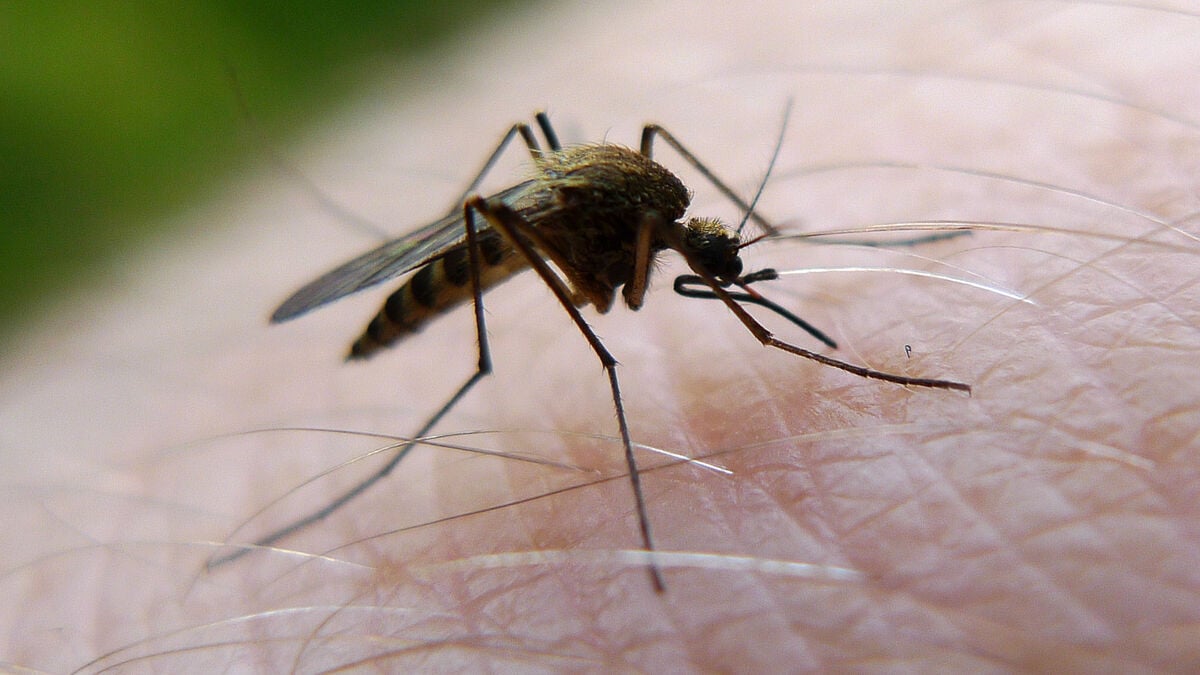
As biodiversity has declined, mosquitoes' thirst for human blood may have increased, according to a study presented in Frontiers in Ecology and Evolution.
"When there are fewer natural alternatives, mosquitoes are forced to seek new blood sources. They feed on humans more out of convenience, since we are the most common host in these areas," said Sergio Machado, a microbiology and immunology researcher at the Federal University of Rio de Janeiro, in a comment.
Mosquitoes caught in what remains of the Atlantic Forest show a preference for human blood, which increases the risk of infection being transmitted by the mosquitoes.
In the regions studied, mosquitoes transmit viruses such as dengue, Zika and chikungunya that can make people seriously ill. To better understand how these diseases spread, it is important to study how mosquitoes forage, the researchers believe. This will allow us to develop more effective strategies against disease-carrying mosquitoes and to predict and prevent disease outbreaks.
"Knowing that mosquitoes in an area have a strong preference for humans serves as a warning of infection risk," Machado said.