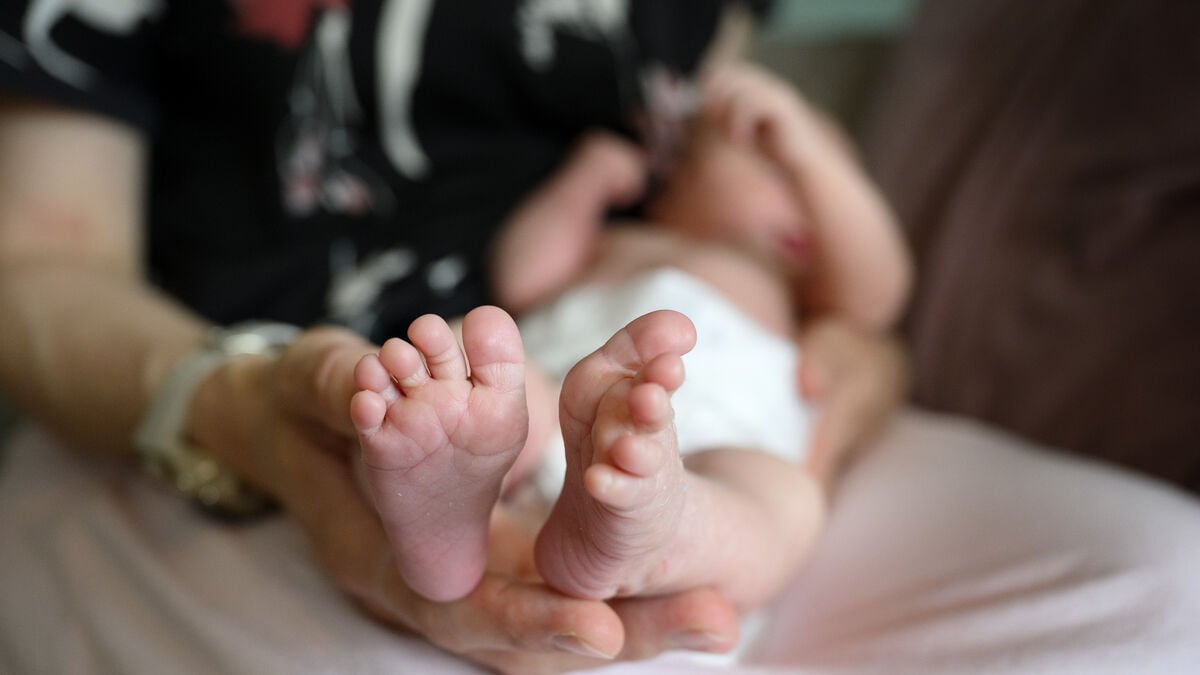
Newborn babies in Sweden routinely receive an injection of vitamin K to prevent rare but serious internal bleeding.
But more parents than before are opting out of the injection, a new registry study of more than two million children born in Sweden between 2003 and 2021 shows. According to the study, published in the journal Jama Pediatrics, the proportion of newborns who do not receive the vitamin K injection is still low, but is increasing over time.
We find this worrying. Especially because we know that vitamin K can protect children from bleeding related to vitamin K deficiency, says Eleni Simatou, PhD student and paediatric neurologist at Astrid Lindgren's Children's Hospital, who is one of the researchers behind the study.
Increased bleeding risk
In 2006, 0.66 percent, or 667 children, did not receive the injection, but the proportion had more than doubled in 2021, to 1.50 percent, or 1,619 children. The proportion of children without a documented vitamin K injection is higher in home births.
The study shows that the risk of bleeding during the first six months of life was higher in children who did not receive the injection. The children also had an almost threefold increased risk of bleeding in or around the brain.
“Parents are scared”
The researchers do not know why the parents refused, but according to Eleni Simatou there are some possible reasons.
What we see in other studies is that parents are afraid that it will hurt or have side effects. Sometimes they think that increasing the intake of vitamin K in the mother's diet is enough.
There are also parents who distrust healthcare in general, and she believes that increased scepticism towards vaccines may play a role.
There are studies that show that parents who refuse vitamin K are also likely to refuse vaccinations later.
Want to spread knowledge
Of the children in the study who did not receive the injection, ten percent received vitamin K drops instead. These children also had an increased risk of bleeding, compared to the children who received the injection.
You have to take vitamin K once a week for twelve weeks and there is a risk of missing a dose or stopping. If the child has any problems with the liver, it will also be more difficult to absorb vitamin K.
Eleni Simatou highlights the importance of continued information to parents and healthcare professionals about the benefits of vitamin K and the risks of opting out of it.
We don't know if they know what they are saying no to. Then it is important that we paediatricians explain and have the discussion with the parents.
Children cannot initially produce vitamin K themselves, but instead experience a temporary deficiency of the vitamin. Newborns in Sweden and most other countries therefore receive an injection of vitamin K in the thigh shortly after birth to reduce the risk of serious bleeding.
Vitamin K is needed, among other things, for the blood to clot, which is vital because bleeding can otherwise cause the child to bleed to death.
It is rare for a child to suffer from bleeding due to vitamin K deficiency, but since it can include brain bleeding, the condition can be serious or life-threatening.
Source: 1177, Swedish Pediatric Association