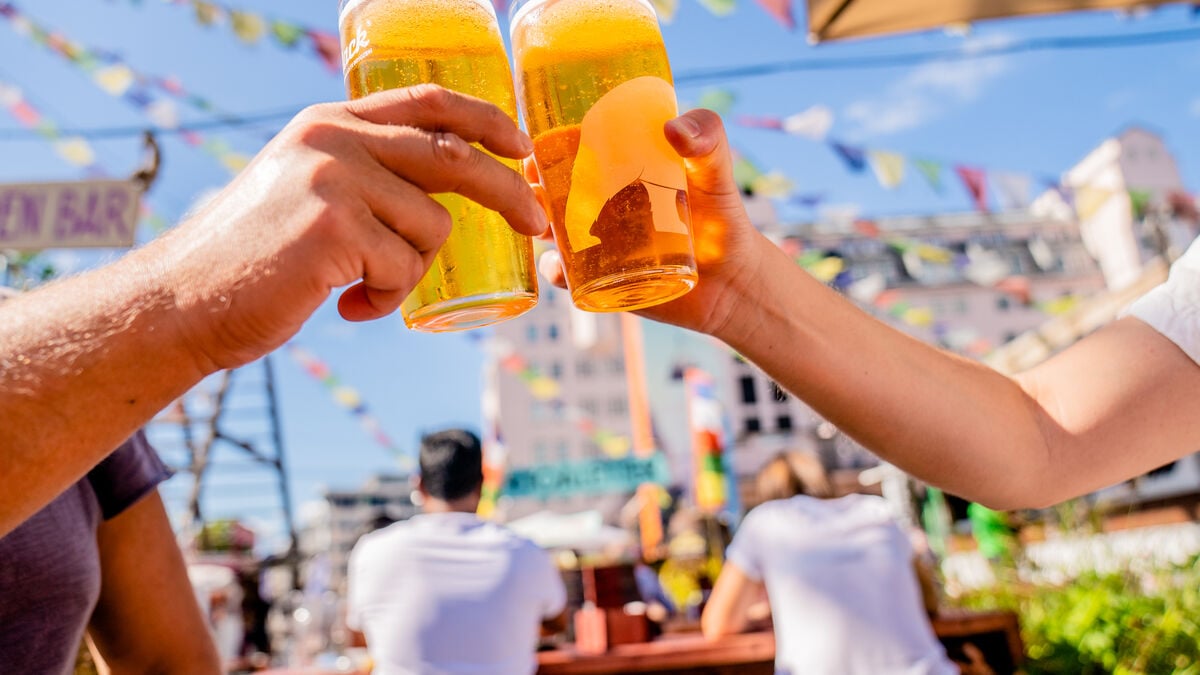
The Riksdag has agreed to abolish the requirement that restaurants must be able to serve food cooked in their own kitchen in order to serve alcohol. The requirement for seating at bars will also be abolished.
We should have a restaurant and entertainment scene that makes our fantastic capital and all other cities in Sweden vibrate, said Christian Carlsson (KD) in the parliamentary debate ahead of the decision.
The proposal has broad support in the Riksdag.
Track doubling
The legal changes are expected to more than double the number of pubs, bars, sports bars and other establishments that focus more on the drink than on the dining experience.
The number of such so-called entertainment restaurants is expected to increase by 85 per year for entertainment restaurants and by approximately 190 for other restaurants.
Finance Minister Elisabeth Svantesson (M) and Health Minister Elisabeth Lann (KD) envision businesses common in other EU countries, such as wine bars, beer gardens and small-scale salons, they wrote in an opinion piece in Aftonbladet in January.
There are those who believe that beach bars could also become relevant, even if the requirement for a clearly demarcated serving area still applies.
“Hole in the wall”
The County Administrative Board in Skåne County points out that eliminating the requirement for seating opens up opportunities for kiosks and so-called "hole in the wall" businesses, for example.
Not everyone is happy about the changes to the law. Many consultation bodies have been critical and expressed concerns, including about public health.
The government writes in its bill that a certain increase in alcohol consumption is expected. If 30 percent of the increased consumption in restaurants and bars replaces consumption at home, then total alcohol consumption is expected to increase by 0.22 percent. This in turn is estimated to lead to 11 more alcohol-related deaths per year.
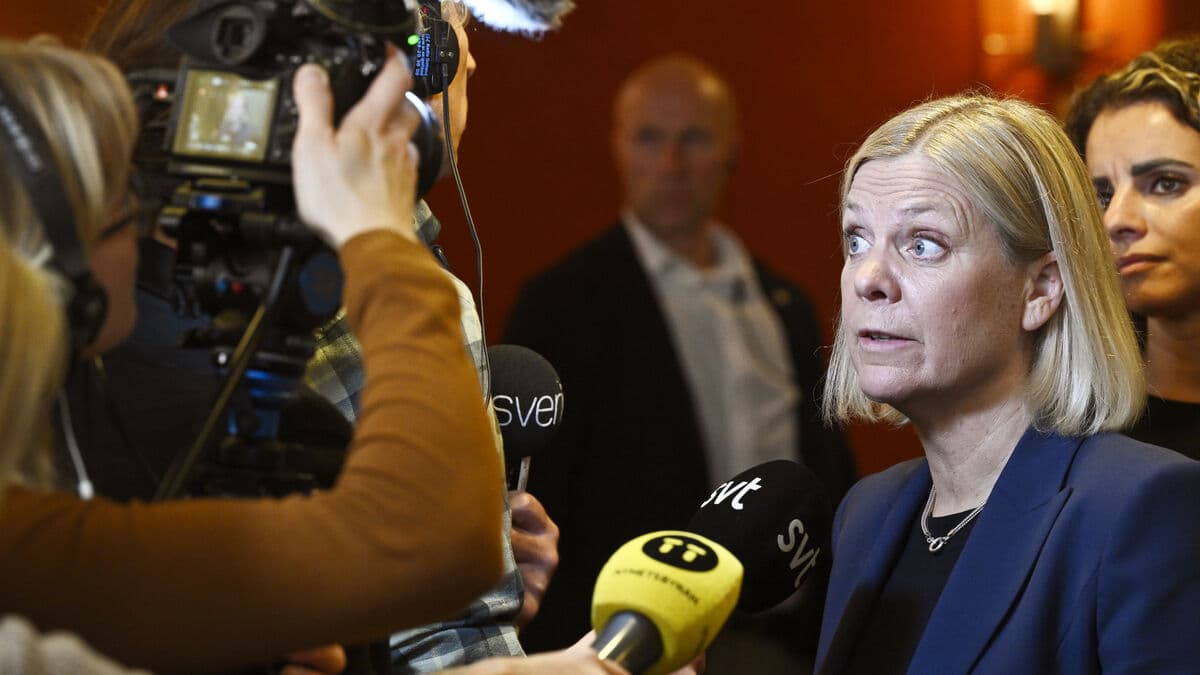
Illness and death do not seem to be a particularly important issue for the Tidö government, said Karin Sundin (S).
S, V and MP believe that the consequences of the legislative change have not been sufficiently investigated, but they only reject part of the bill - the part that would exempt catering operations from having their own kitchen in order to obtain a permanent serving permit.