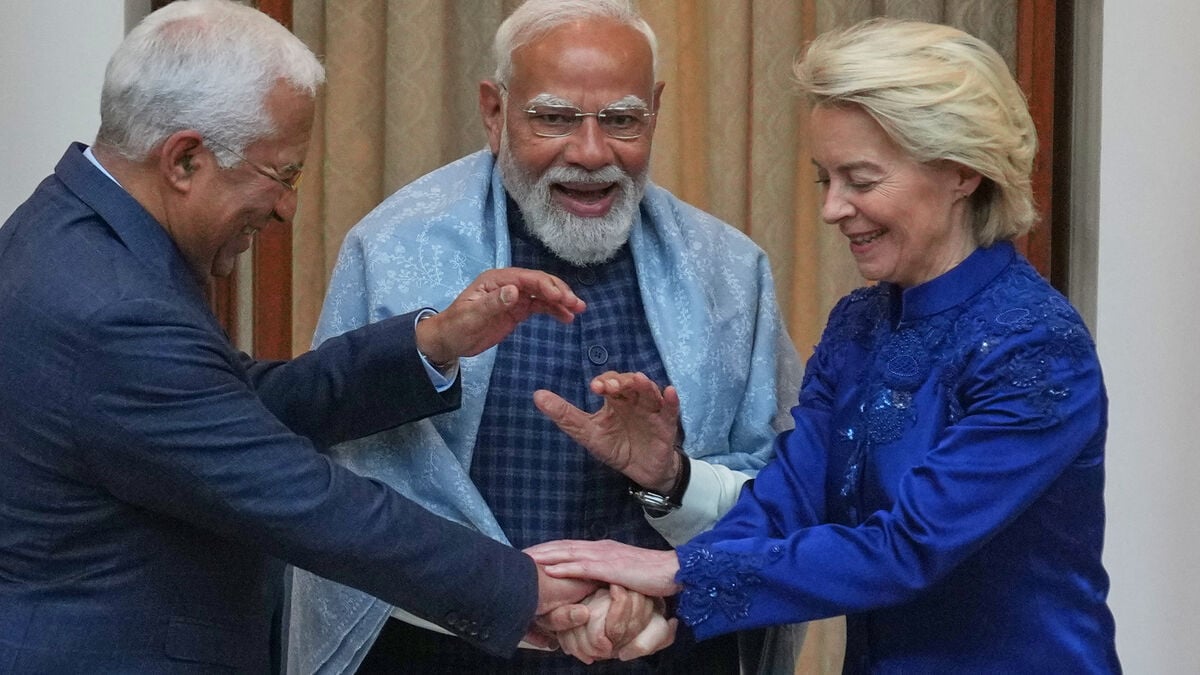
Superlatives flow as Indian Prime Minister Narendra Modi holds a press conference with EU leaders António Costa and Ursula von der Leyen in New Delhi.
"We did it! We have delivered the mother of all deals. These are two giants: the world's second and fourth-largest economies," said Commission President von der Leyen.
"This is not just a trade deal. It is a new recipe for shared prosperity," Modi said.
Tariffs are lowered
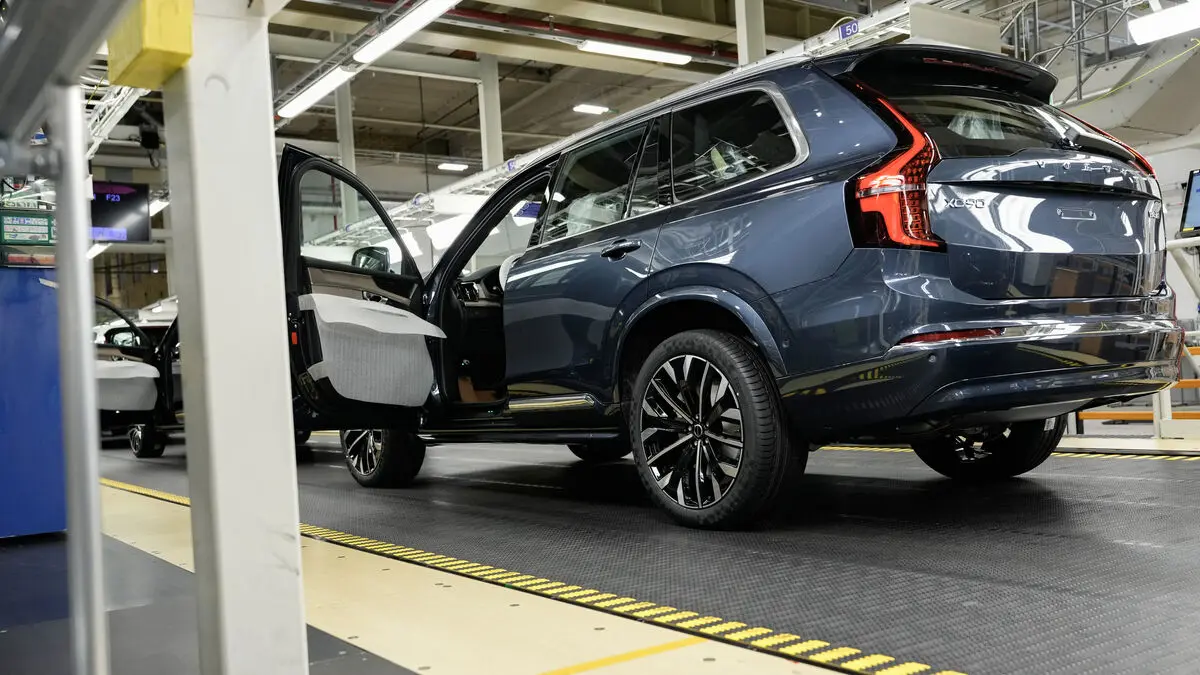
The agreement means reduced tariffs on most consumer and industrial goods. For example, more exports of European cars to India are expected, which previously faced tariffs of up to 110 percent.
Many sensitive agricultural products are excluded, but both sides still expect more pasta and wine to go to India and more crops to go to Europe.
"The historic agreement provides easier access to Europe for our farmers and small businesses, creates new opportunities for the manufacturing industry and strengthens cooperation," Modi said.
Simplified administration and trademark protection are also included in the agreement.
Happy Costa
The settlement comes after negotiations that have been ongoing for almost 20 years, though they were paused for much of that time.
However, interest has increased significantly in both India and the EU after Donald Trump's return to the US presidency and a significantly more aggressive trade policy.
The new free trade agreement is described as a turning point in the relationship between the EU and India and a clear signal that both sides prefer a more open and rules-based global trade.
The happiest person at Tuesday's press conference was António Costa - who theatrically pulled one of his passports out of his jacket pocket.
"I am not only the President of the Council of the European Union, but also an Indian citizen. So you can understand the special meaning this has for me," said Costa, who has roots in Goa, India.
The EU and India have concluded negotiations on a free trade agreement that the EU hopes will double European exports to India.
For example, Indian tariffs on motor vehicles will be reduced from 110 percent to 10 percent, but with a quota of 250,000 per year. Tariffs on pharmaceuticals, chemicals, aircraft parts, pasta, fruit juice and bread will be reduced to zero.
The agreement will also provide some access to the services sector and protection for trademarks and intellectual property rights.
The agreement must now be reviewed and approved by both sides - on the EU side by both the European Parliament and the member states in the Council of Ministers - before it can enter into force.
Source: European Commission