A common interpretation is that an adult buried in the same grave as a child is the child's parent, or at least a close relative - but this is rarely true, according to a new study from Stockholm University.
The surprise was that there were so few close relatives in these graves, says Anders Götherström, professor of molecular archaeology at Stockholm University.
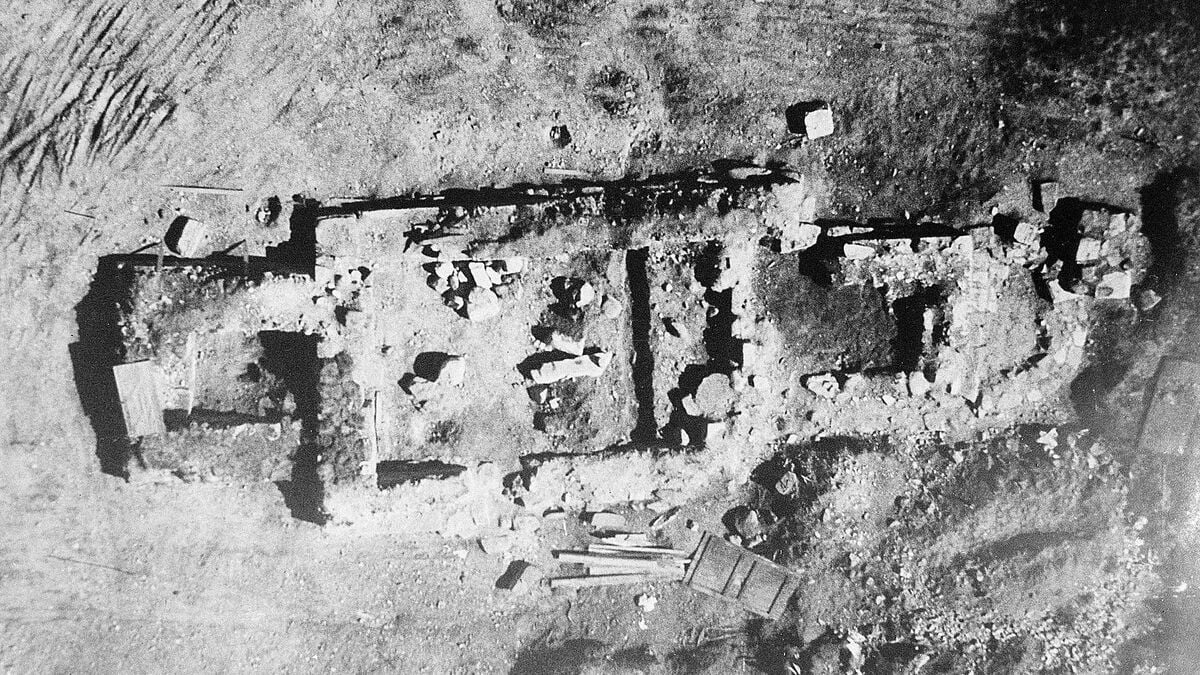
The study analyzed DNA from 142 people, 60 of whom were children and young people, buried in mass graves from the late Viking Age and the Middle Ages. The burial sites examined are located in Sigtuna, north of Stockholm, Västerhus in Jämtland, and Fjälkinge in Skåne.
Social factors
Close kinship was found to be uncommon even in cemeteries where many people were actually related to each other. The study instead suggests that other social and religious factors determined who was buried together.
According to Anders Götherström, more studies are needed to answer why children and adults without relatives were buried in the same graves.
But I would like to imagine, this is pure speculation, that when a child dies, it might be a bit awkward to bury them alone. Then it might be easier to bury them with an adult who died around the same time.
The researchers were also able to determine the biological sex of children who were too young to be identified from their skeletons. They found that children were often buried in the same pattern as adults during the Middle Ages - women and girls on the north side of the cemetery and men and boys on the south.
It provides a greater understanding of how children were viewed, at least they are given a gender role in connection with the funeral. Perhaps it indicates that they have gender roles in society also under other circumstances.
Rare find
In the cemetery in Västerhus, a rare find was also made in a medieval Scandinavian grave - a scallop shell that indicates that the owner of the shell had made the famous pilgrimage to Santiago de Compostela in northwestern Spain.
The woman in the tomb, known by researchers as Lady 56, died before she turned 30 and has several family members buried in the same cemetery.
She was born and raised in southern Norrland, traveled across half of the then known world, and came back to Östersund to live the rest of her life there. It's incredibly cool to be able to pick out such a life story.