"With the agreement, the EU is sending a clear signal: in an uncertain and protectionist world, rules-based free trade is the way forward," says Anna Stellinger, head of EU affairs at the Confederation of Swedish Enterprise.
The agreement is important for resilience, growth and increased predictability, Stellinger emphasizes.
"The EU and Sweden also gain access to important minerals and metals needed for the green transition," she continues.
Swedish farmers worried
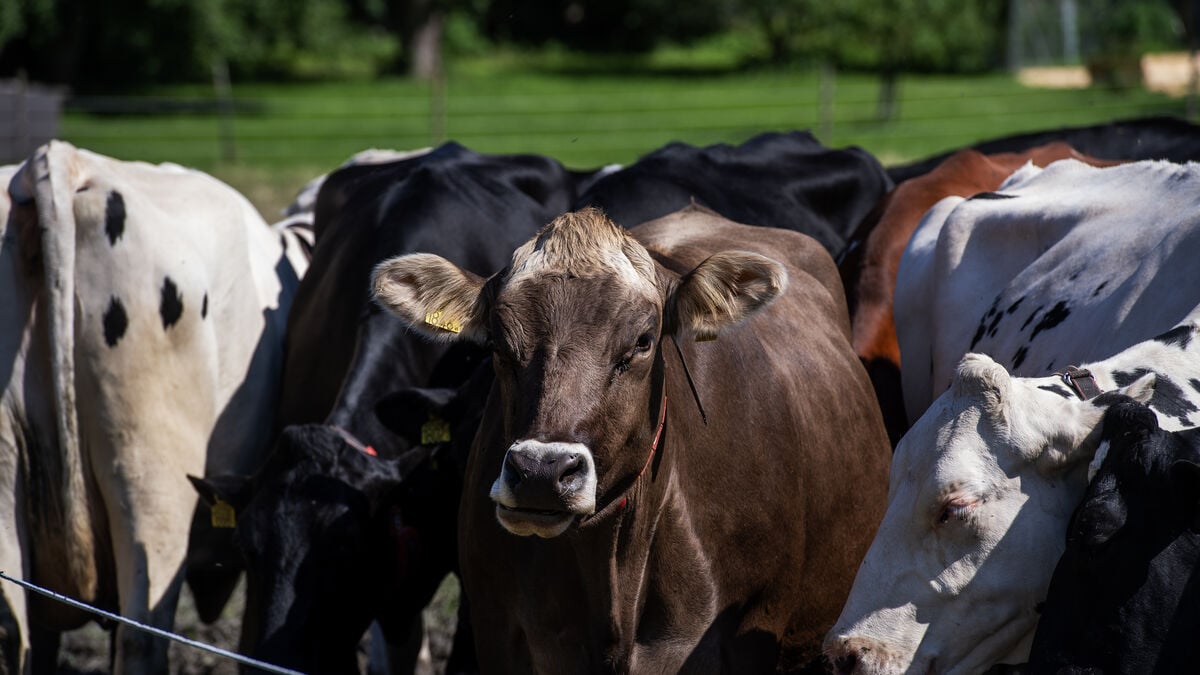
But not everyone is happy. Agriculture has been one of the most contentious issues within the EU. Even among Swedish farmers there is concern about the effects of increased imports of cheap meat.
"EU and Swedish farmers should not be forced to compete against standards from other continents that our control authorities would never accept," says Palle Borgström, LRF's chairman, in a press release.
There is a lack of credible guarantees for environmental protection, animal welfare, working conditions and the prohibition of hazardous substances, LRF believes.
"The Mercosur agreement is an active path away from high-standard food for households," says Borgström.
Protected by tariff quotas
But not all trade will be duty-free. For many sensitive products, such as beef, tariff relief is only introduced within limited volumes, known as tariff quotas.
"In addition, there are special protective measures within the quota that the Commission can use," Per Altenberg, chief economist of the Swedish College of Commerce, tells TT.
"This is a political issue, but I don't think it will have any real impact," he added.
The agreement also gives Swedish companies access to new large markets at a time when the US has become an increasingly uncertain trading partner.
"This concerns more than 700 million consumers covered by the agreement within both the EU and Mercosur," says Altenberg.