
The little girl looked to be about eight years old. Despite it being winter, she was walking barefoot on the cold beach at Khan Yunis, leaning on a large plastic table. When asked why she was carrying the table, she said it was needed in the school tent.
I’m going to be a doctor, the girl said firmly, claiming that the table was a must if she was to do her job.
Missing a place to live
The incident made an indelible impression on Marcus Mukombachoto-Olsson, who works with educational efforts in Gaza and the West Bank, with Jerusalem as his base.
The children have such resilience. They take care of their siblings, fetch water, look for food. When I ask them what they miss, they talk about “ordinary” things: the street they lived on, friends to hang out with, a proper school to go to.
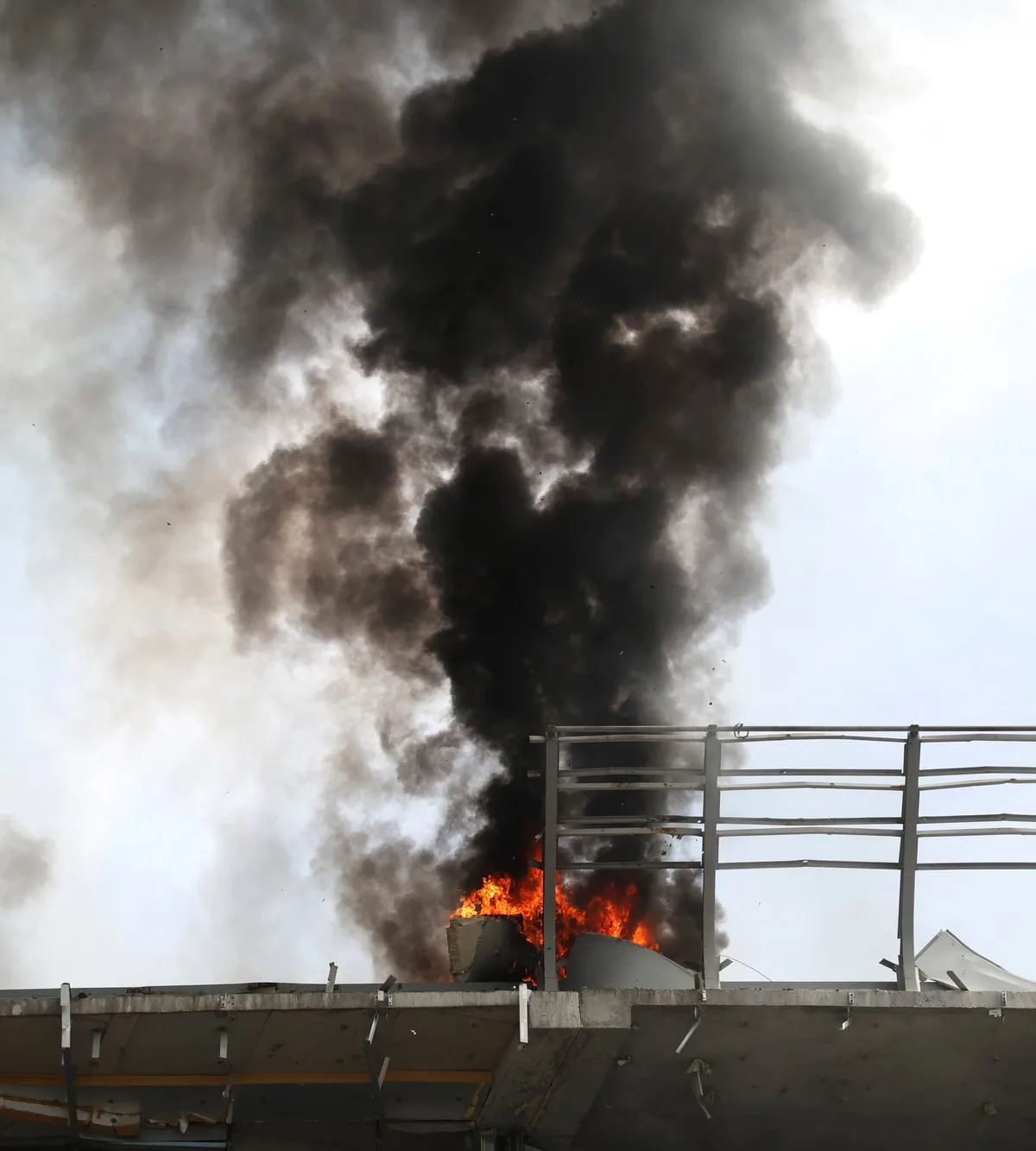
More than 74,000 Palestinians, many of them women and children, are reported to have been killed in Gaza since the start of the war, which was triggered by the terrorist Hamas attack on Israel in October 2023. A very fragile ceasefire came into effect just over a year ago, but Israel has continued to attack what it claims are Hamas targets in the area.
Many young people are understandably traumatized. But a certain amount of everyday life has nevertheless returned and educational efforts have been able to get underway in the child-dense strip of land: Around 1.1 million children live in Gaza, of whom 700,000 are of school age. About half of them, just over 360,000, are now receiving education at UNICEF's more than 200 learning centers.
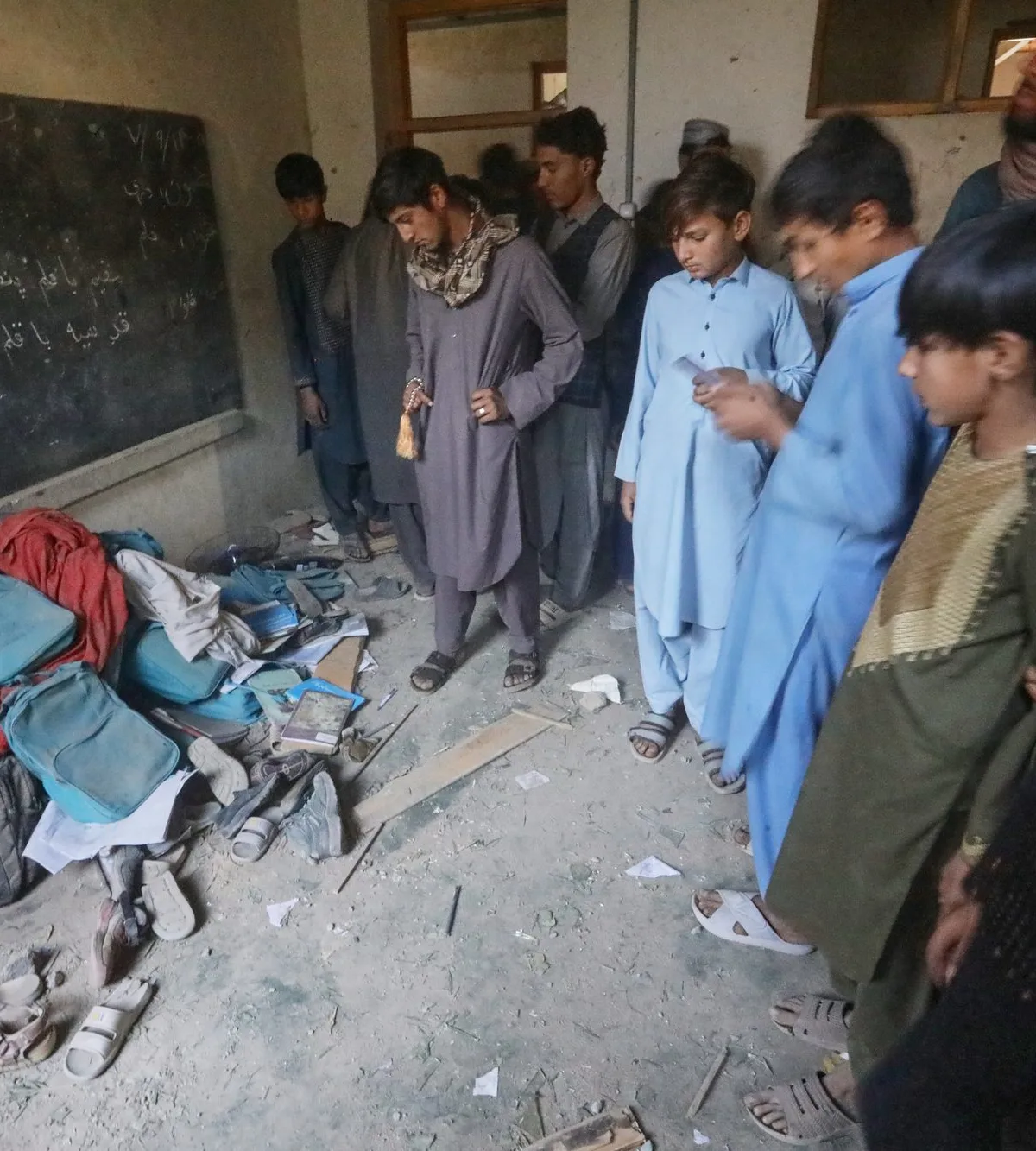
97 percent of the schools have been damaged in the war, so we are staying in tents, abandoned houses or individual schoolrooms where there is no risk of racial violence. The local community is fantastic, many have leased land or properties to us, Mukombachoto-Olsson says during a visit to Stockholm.
When not the worst affected
He emphasizes that it is not about "normal" schooling - yet. At the learning centers, the children receive lessons in mainly Arabic and mathematics, as well as an hour or so of recreation in the form of theater, football or painting three days a week. And they are screened for, among other things, vision, speech and hearing impairments, as well as malnutrition and psychosocial trauma.
But unfortunately we do not see the most traumatized children. Many of them are completely passive, says Mukombachoto-Olsson.

What do you think?