
In mid-August this year, the ski resort at Passo Stelvio in Italy announced that it was closing. Persistent heat and frequent thunderstorms made skiing on the Stelvio Glacier too dangerous.
By then, the other traditional summer ski resorts had already closed. The public was therefore unable to ski outdoors in the Northern Hemisphere, probably for the first time in decades.
“This shows that the climate has changed and conditions are deteriorating,” says Robert Steiger of the University of Innsbruck in Austria, who studies how climate change affects mountain tourism.
Summer skiing at high altitudes has been an important source of income, but the phenomenon has declined as the glaciers melt away, he says.
“On your toes”
For alpine professionals, pre-season training on snow is important ahead of the start of the season in Sölden, Austria, in October. The Swedish national team moved its training to Stelvio.
“We really had to be on our toes. I would say that we had a good time during the periods we were there and got some great training,” says coach Fredrik Sars.
On the other hand, previously reliable options like Zermatt and Saas-Fee in Switzerland had already closed.
“This was partly due to safety. Large boulders rolled into Saas-Fee, and in Zermatt there were so many glacier crevasses that they only allowed a very small part of the Swiss national team to train there,” says Sars.
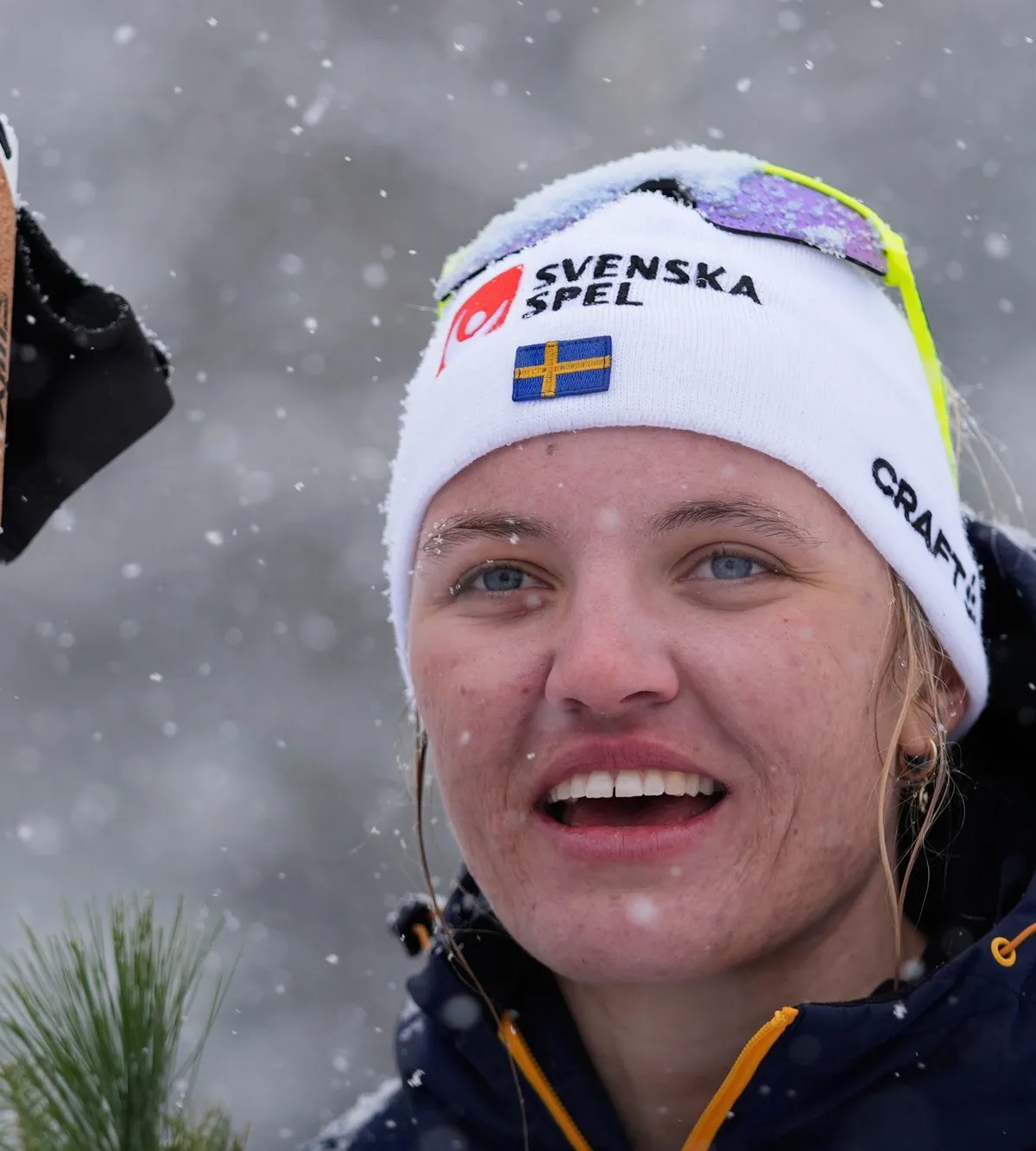
Hilma Lövblom has experienced the changes during her years as a national team skier.
“It really is a huge difference. You can see with your own eyes that the glaciers are getting smaller.”
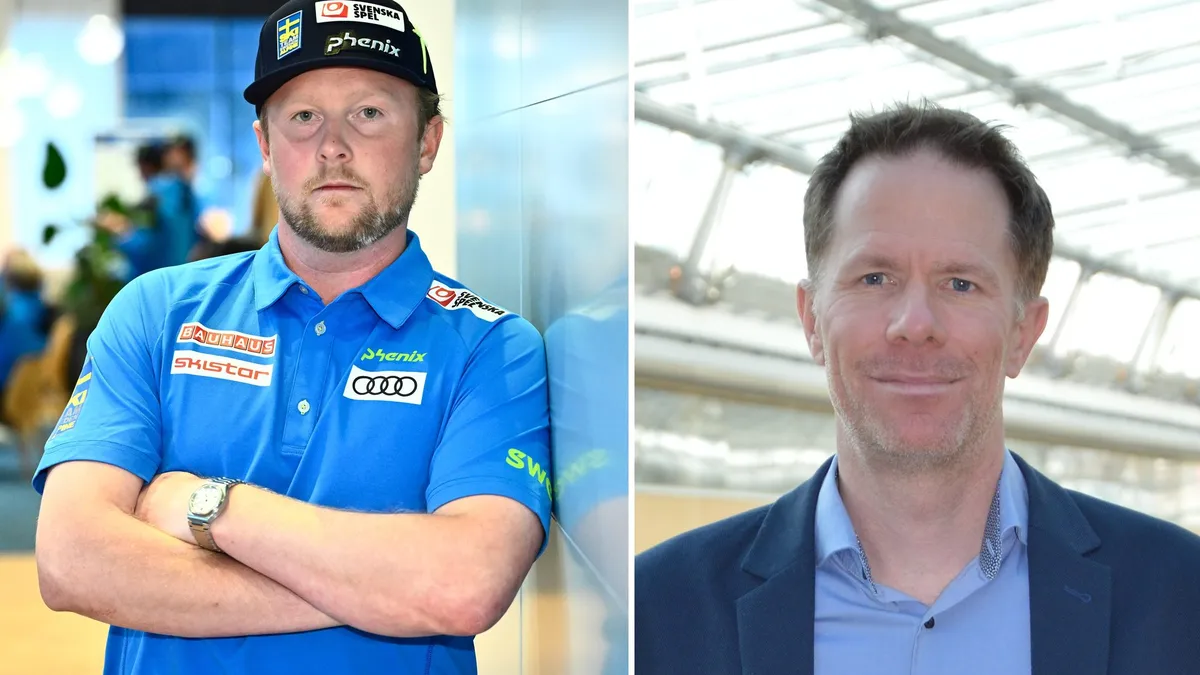
National team coach Fredrik Sars and researcher Robert Steiger.
She says she has some climate anxiety.
“When you sit at home in Sweden, you might notice that it has been a rather warm autumn, for example. But I don't think you understand how much the world is really affected,” she says.
Want a later start
Robert Steiger says the facilities are addressing the problems through snowmaking, saving snow from the winter and shortening seasons.
“Costs increase when you have to invest in snowmaking. And producing more snow is costly.”
Fredrik Sars thinks the competition season should be postponed so that training facilities in the Alps have time to get below zero and can produce snow. Otherwise, he believes, more and more skiers will be forced to make expensive trips to the Southern Hemisphere.
“We have to adapt to the World Cup competitions. I think it would be very reasonable to adjust our calendar so that we can prepare on our own continent.”






What do you think?