The forecast from KI is bright, even though they are calling for higher inflation and thus an interest rate hike next year. At a press conference on Tuesday, KI announced that household consumption has grown strongly this year and that incomes are currently increasing faster than prices.
Boosted purchasing power
Although the price of oil is expected to fall, KI predicts that inflation will rise next year. This is because the subsidies that have held inflation back this year, including the reduced fuel tax, will disappear.
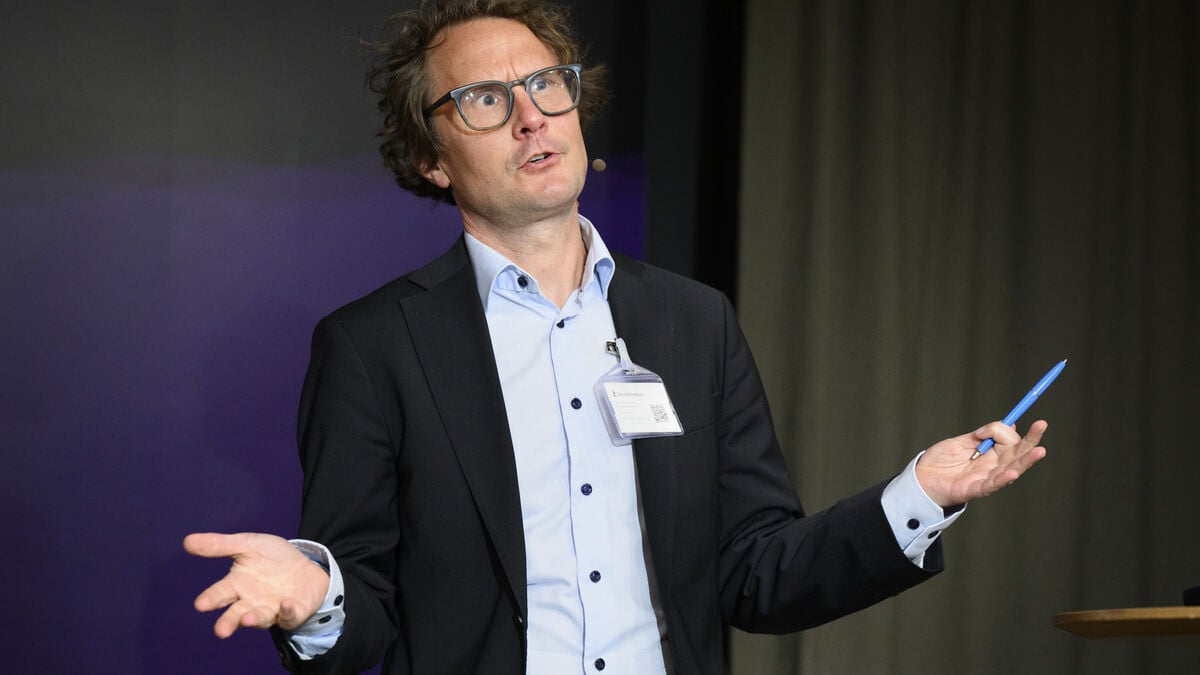
KI was initially critical during the consultation round of measures that strengthened, and perhaps to some extent artificially boosted, purchasing power, notes Albin Kainelainen. The optimistic forecast has taken this into account and is now based on an inflation forecast without those effects, he emphasizes. The economic recovery is therefore resting on a solid foundation, rather than subsidies.
Shock-resistant economy
When asked by TT why this year's forecast is more certain than last year's, Kainelainen answers:
The difference now is that we see that Swedish households have actually increased their consumption as a result of increased incomes. We also see that the Swedish economy coped with the tariff shock relatively well, says Kainelainen, adding that so far we have not seen any clear effects of the Middle East war on the Swedish economy.
"The economy is resilient," says Albin Kainelainen.
Although inflation is expected to rise, it will be close to, if not above, the target, according to the Director General. However, he believes that many households may have a different picture than the one presented by KI.
"We are at the end, not the beginning, of the recovery now. To many it may seem as if we are still in a recession," he says.
Corrected: An earlier version of the text stated the wrong number of interest rate increases that KI expects in 2027.
Unemployment this year is forecast to reach 8.6 percent and then fall to 7.9 percent.
GDP growth will be higher in the fall of 2026 when domestic demand grows faster.
However, the recovery in the labor market will take longer and at the end of 2027 unemployment will still be slightly elevated, according to KI.
Source: National Institute of Economic Research.