Israeli Prime Minister Benjamin Netanyahu described the killing of the two leaders as part of efforts to help the Iranian people overthrow the regime in Tehran.
"This will not happen immediately, it will not be easy. But if we persevere ... we will give them a chance to take their fate into their own hands," Netanyahu said in a video statement, according to Israeli media.
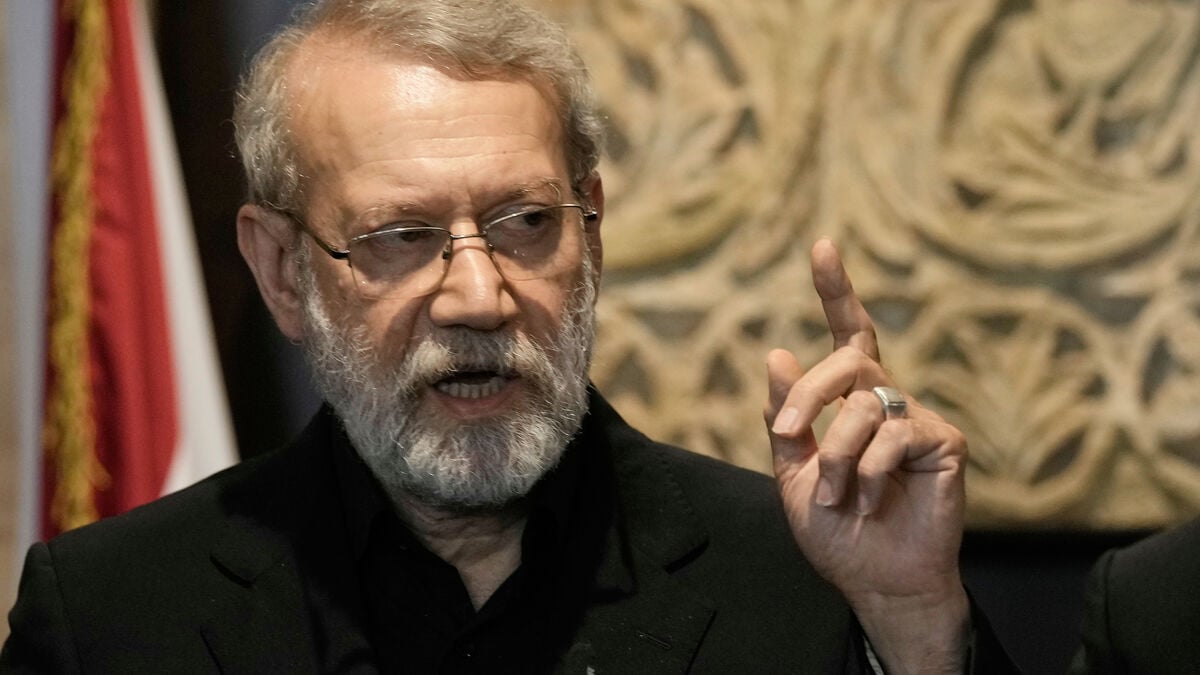
Ali Larijani, formerly head of Iran's National Security Council, was very close to Ali Khamenei and gained an even more prominent role in Iran's governance after his death.
His family has long held top positions in Iran - in a 2009 article in Time magazine, the dynasty was called “Iran’s Kennedys”.
“The de facto leader”
Larijani and Soleimani were killed in two separate Israeli strikes in Tehran overnight Tuesday, according to a statement from the office of Israel's Defense Minister, Israel Katz.
The Israeli army wrote in a statement that Larijani served as the “de facto leader of the Iranian terror regime” and held him responsible for the violent response to the anti-regime protests in January. According to Israel, Larijani was the one who “personally oversaw the massacre” when thousands – according to some reports, tens of thousands – of protesters were killed.
Soleimani had been the commander of the Basij militia for six years. The paramilitary force belongs to the powerful Revolutionary Guard, and plays a prominent role in maintaining internal order in Iran, including by suppressing protest movements.
Unconfirmed by Iran
The killing of Soleimani "constitutes another significant blow to the regime's security and command structures," the military wrote in a statement.
Israeli army chief Eyal Zamir said in a statement on Tuesday morning that the military is continuing its offensive against Iranian targets and that "significant preventive progress was made overnight."
Soleimani's deputy, Rassem Qoreishi, was also killed during the night, according to Israeli media.
Facts: The Basij Militia
Under the umbrella of the powerful Revolutionary Guard is the so-called Basij militia, which consists of volunteer recruits who, in addition to their regular jobs, are ready to defend the Islamic Republic.
They are the ones seen in several of the video clips that have been circulated from Iran, where protesters are ruthlessly attacked with batons, stun guns and sometimes even live bullets. Those recruited to the militia are often poor people who, with promises of a higher standard of living, obey orders to the letter. Many have been indoctrinated from childhood to be loyal to the regime, no matter what.