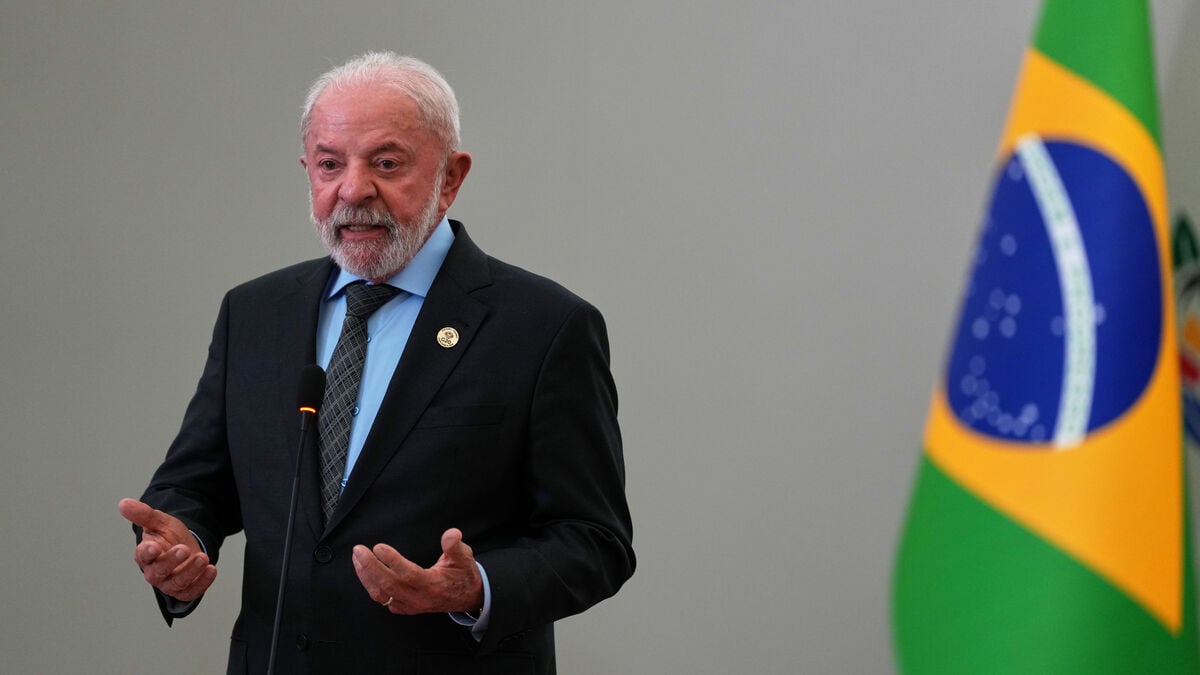
"If we don't do it now, Brazil will not enter into any more agreements while I am president," Lula said at a government meeting.
According to the Brazilian president, they have "given in everything" that was diplomatically possible, reports the AFP news agency.
Risk of falling
If Italy and France stick to their demands, the entire agreement risks falling apart – even if Italy opens for signature at the beginning of next year.
"We believe it is still too early to sign the agreement in the next few days," Prime Minister Giorgia Meloni said in the Italian parliament, according to the Ansa news agency.
This makes it difficult for countries that want to give quick approval to get it through in time to allow EU Commission President Ursula von der Leyen to travel to Brazil for a signing as early as Saturday.
However, Meloni emphasizes that she does not intend to block or stop the agreement altogether.
I am convinced that at the beginning of next year we will be able to meet all the conditions.
Negotiated for 20 years
Proponents of the agreement can still rejoice that the member states and the EU Parliament agreed in record time on Wednesday on the protective measures that have been developed if the agreement is implemented.
They guarantee rapid action to support EU farmers if the agreement were to lead to harmful increases in imports, according to the Danish presidency of the EU Council.
“With these and other measures, great efforts have been made to meet objections and pave the way for approval” of the agreement, Danish Foreign Minister Lars Løkke Rasmussen said in a statement.
The agreement between the EU and Brazil, Argentina, Paraguay, Uruguay and Bolivia has been negotiated back and forth for over 20 years. It has strong support among countries such as Sweden and in industry circles, while major agricultural and environmental organizations are deeply skeptical.
On Thursday, tens of thousands of European farmers are expected to go to Brussels to protest against, among other things, the Mercosur agreement.