The US regional military command Centcom confirms the new attacks in a post on X.
According to Centcom, this is the sixth consecutive night that attacks have been carried out to "further reduce Iranian military capabilities."
Explosions have occurred around the large Iranian port city of Bandar Abbas, in Bushehr, Ahvaz and on the island of Qeshm in the Strait of Hormuz, according to Iranian state and regime-loyal news agencies.
Several bridges have been hit, as well as the airport in Iranshahr in southeastern Iran, Fars and Tasnim reported.
Not without consequences
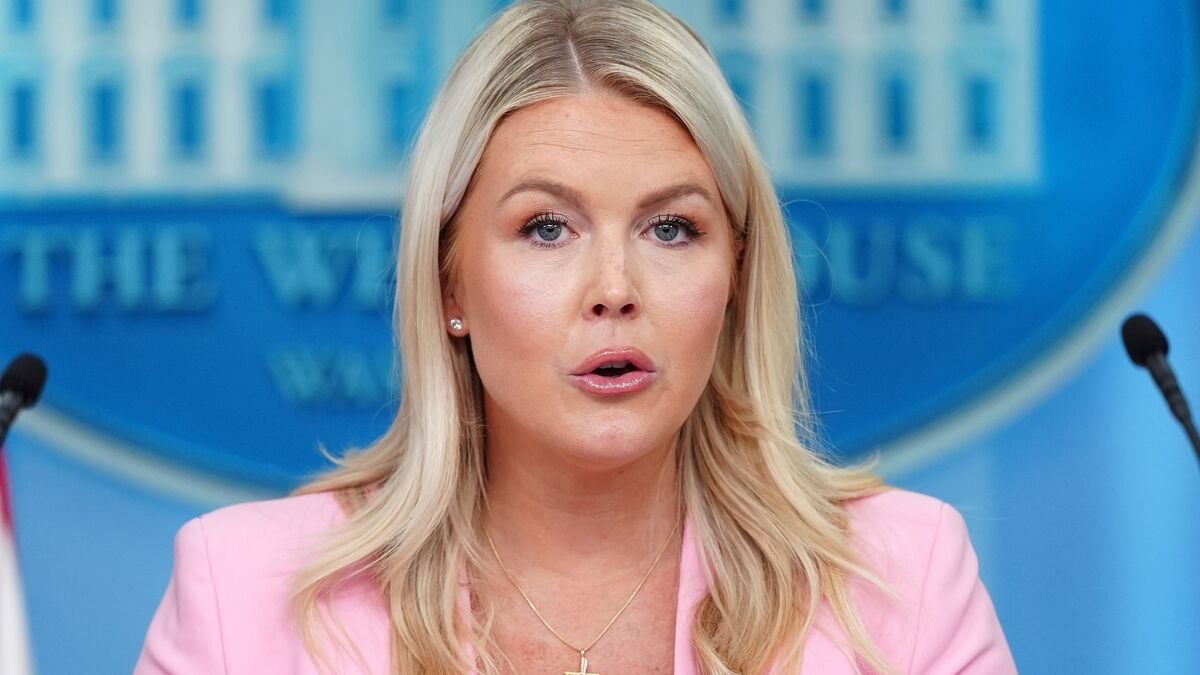
Karoline Leavitt, White House press secretary, said in parallel that Washington is still talking to the regime in Tehran.
The president will hold them accountable when they turn their backs on what they say to the United States. But he is always open to diplomacy at the same time, she says at a press conference and continues:
They have expressed that they still want to make a deal with the president. We are talking to them, but again, the president will not allow them to shell ships in the strait without consequences.
The US and Iran have escalated their attacks in recent days. Late on Wednesday, the US attacked an oil tanker in the Persian Gulf - an unloaded tanker that was reportedly sailing towards Iran's oil terminal on the island of Kharg.
The US has reimposed a naval blockade against all maritime traffic to and from Iranian ports.
On Thursday, Bahrain, Kuwait and Jordan confirmed that they had been targeted by Iranian drone attacks. The countries host US military bases and have been repeatedly targeted by Iranian attacks.
Threat of expansion
Trump has threatened Iran that American attacks could be expanded and targeted at energy facilities and bridges - which, according to analysts, would be considered a violation of international law - if Iran does not return to the negotiating table.
In mid-June, the two countries entered into a ceasefire and signed a memorandum of understanding, which was described as a major step towards permanent peace.
Corrected: In a previous version there was an incorrect time indication.