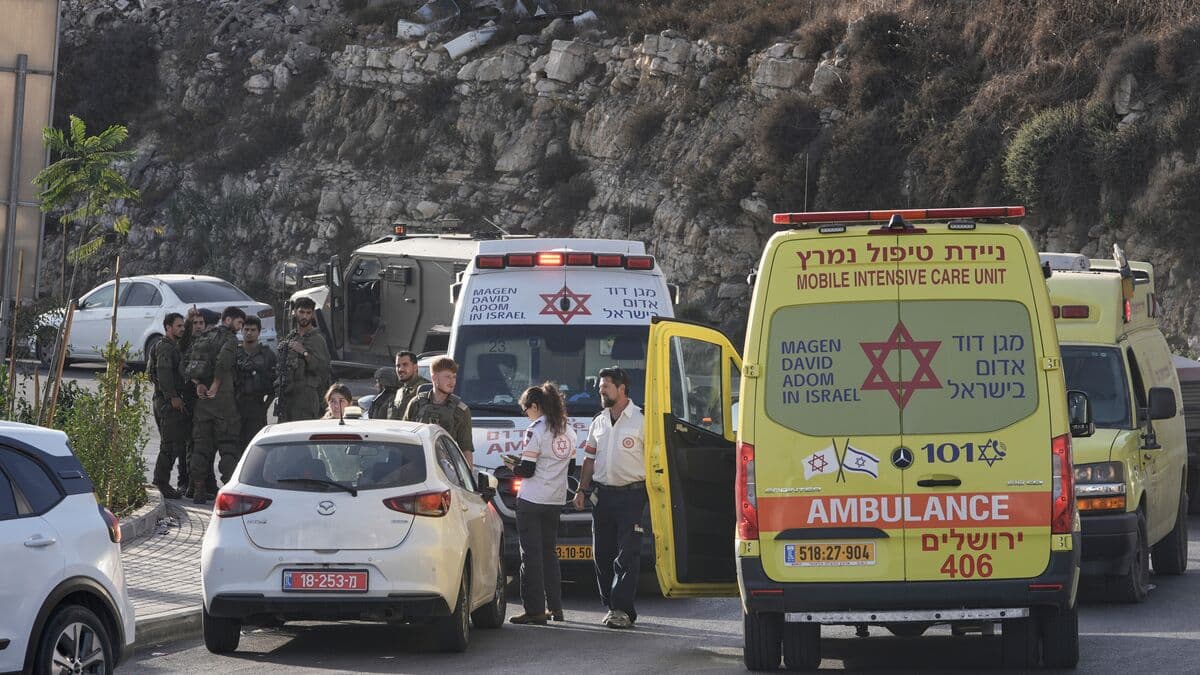
Iran has launched a new counterattack against Israel, where missiles have triggered air-raid alerts.
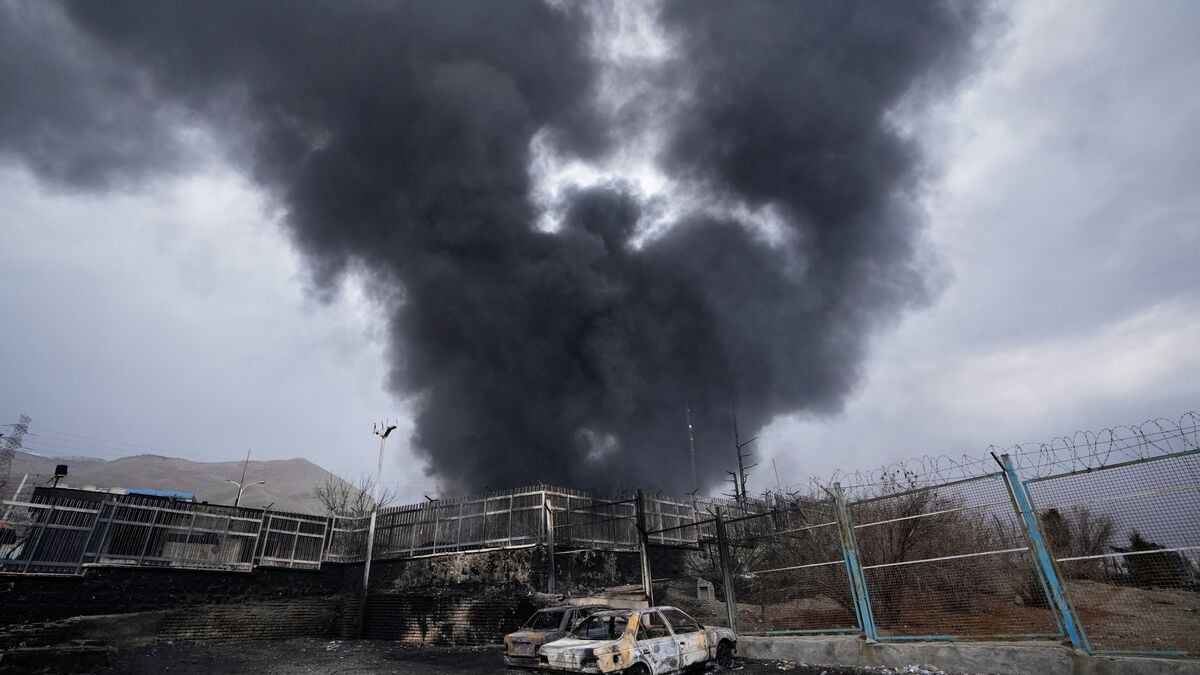
The alarm has also been raised in Bahrain, the United Arab Emirates, Kuwait and Saudi Arabia. Drones have been shot down, causing a fire in an industrial area in the United Arab Emirates. During the afternoon there were also reports of explosions in the Qatari capital, Doha.
The Iranian Revolutionary Guard also claims to have fired several missiles at a US air base in the Kurdish area of northern Iraq.
Iran absolutely does not want a ceasefire, writes Iranian Parliament Speaker Mohammad Bagher Qalibaf on social media. According to him, "The attackers need to learn a lesson."
Meanwhile, bombs continue to fall in Tehran. Israel says it has hit key Revolutionary Guard targets, including an underground weapons development complex and the headquarters of the powerful foreign force, the Quds Force.
According to Iranian figures, more than 1,300 people have been killed in the war.
Oil-sensitive point
Much of Iran's counterattack in the war has been drone strikes against US and energy-related targets in countries across the Middle East. The country is also threatening shipping in the narrow Strait of Hormuz, through which much of the world's oil exports pass, a threat that has been followed by skyrocketing fuel prices.
From the US side, different government representatives have described the motive for the war in different ways.
At a press conference on Monday, President Donald Trump said the war could end "soon, very soon." He has previously said it could last several weeks. Now he is also threatening to attack Iran "twenty times harder" if oil exports are cut - a threat that has been met with new counterattacks from Iran.
Pete Hegseth, a US official, signals that the US will escalate its attacks even further on Tuesday:
"Today will once again be the most intense day of attacks inside Iran," he says at a press conference.
"They don't finish"
Iran will continue to attack as long as it is deemed necessary, Foreign Minister Abbas Araghchi told US PBS News. He says there is no question of resuming negotiations.
Attacks against Iran will also continue, according to Israeli Prime Minister Benjamin Netanyahu:
Our goal is for the Iranian people to be able to throw off the yoke of tyranny. Ultimately, it depends on them.
Background: How the Iran War Started
On February 28, the United States and Israel attacked Iran, without the support of the UN Security Council. The attack was described as a preemptive strike to prevent the country from developing nuclear weapons. Iran's Supreme Leader Ayatollah Ali Khamenei and several other leaders were killed in the bombings.
A year earlier, in March 2025, US President Donald Trump sent a letter to the Ayatollah to initiate negotiations on Iran's nuclear program. Five meetings were held but yielded no results.
On June 22, the United States entered a brief war between Israel and Iran, bombing three nuclear facilities.
In September, previous UN sanctions on Iran were reimposed. The economy deteriorated and popular protests erupted before the turn of the year. Trump said he was prepared to intervene on the side of the protesters if they were killed in their thousands, but that did not happen.
In early 2026, US military forces gathered in Iran's vicinity.
New negotiations with the regime began on February 3, without results.