US President Donald Trump's ambition to overthrow the regime is an enormously greater undertaking than the individual aerial bombings that knocked out the country's nuclear facilities last year.
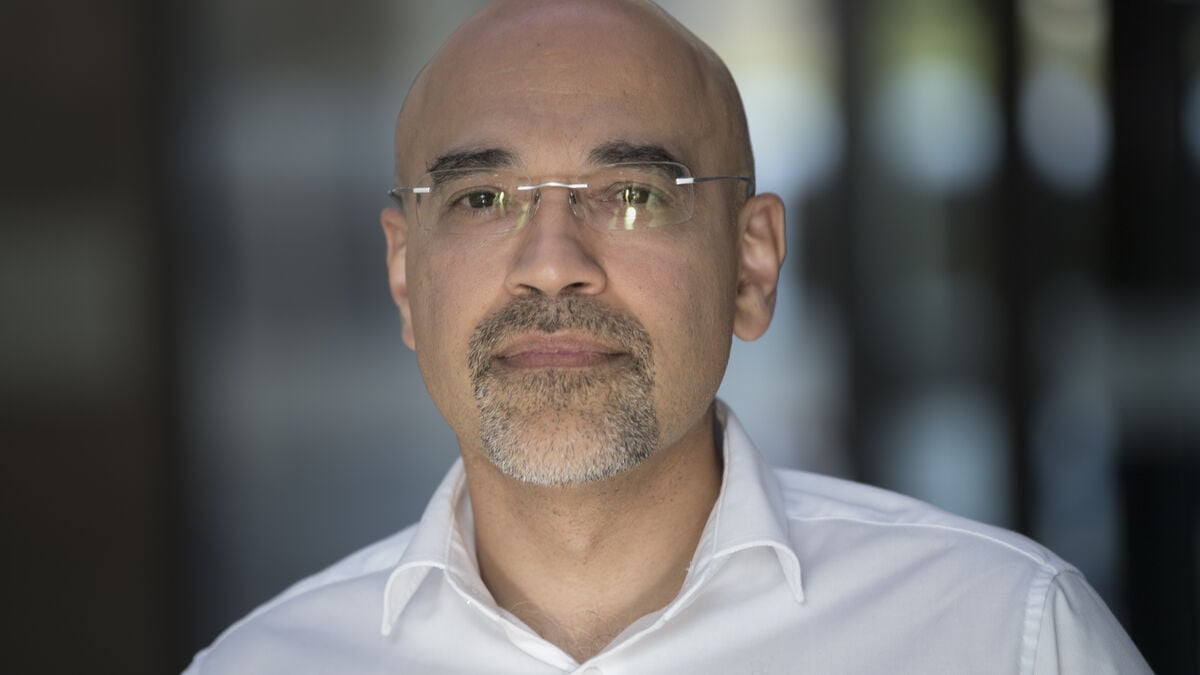
The list of things you have to break and the people you have to find and kill is infinitely longer, says Rouzbeh Parsi, author and adjunct lecturer at Lund University.
Can be replaced
Iran's state system is built to survive external attacks. Those who are killed can be replaced, Parsi points out. Air strikes will not be enough, even if the regime is weakened.
With bombs, you can kill a minister and his ten closest aides, but you can't take over the ministry. That requires someone to go in with a gun in hand.
Trump has called on the Iranian people to take over power in the country once the American operation is over. It is difficult to assess whether the protest movement in Iran can organize such an armed force, according to Parsi.
There are an immense number of people who are deeply fed up with this regime. The question is what they are willing to do in an organized way and what resistance they face.
Trump himself probably thinks that now the Iranian people have a chance and if they miss it, it's their problem.
Under such political conditions, the ambition to overthrow the regime will likely lead to a protracted, bloody and a not particularly successful operation, Parsi emphasizes.
Other ambitions
Israel also has lower ambitions than regime change, Parsi believes.
Israel is not interested in a functional Iranian state, regardless of who rules it after the Islamic Republic, because a functioning Iran can always pose a potential strategic threat.
For the US, it is more complicated.
The United States' main allies in the region will be those who have to live with the consequences of an Iran in chaos.