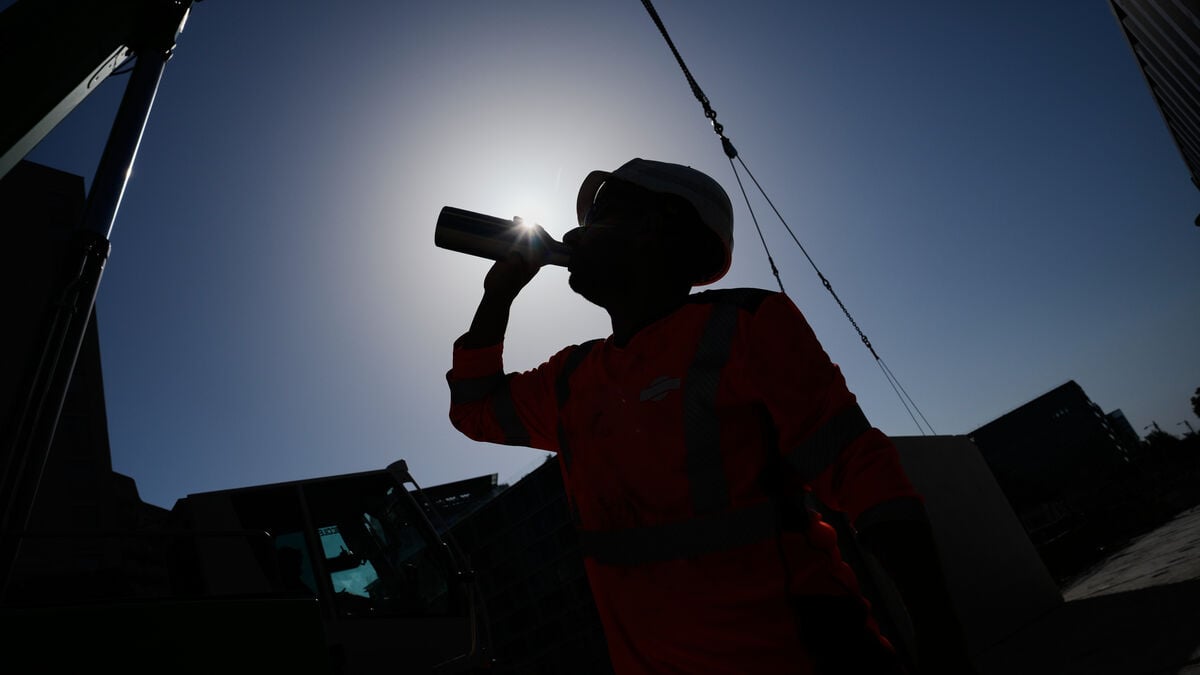
Even though it's only morning in the EU quarter of Luxembourg, the temperature is already 29 degrees. And it's going to get higher. The heat wave that is ravaging large parts of Western Europe has in many cases led to temperatures well over 40 degrees, schools closed, trains cancelled and serious warnings to the population.
The crisis is also evident when EU environment ministers meet, although many people's concern here is not that too little is being done for the climate – quite the opposite.
Countries such as Italy, the Czech Republic and Slovakia are concerned about the car industry and are pushing for the EU to further ease previously decided zero-emission rules for cars and vans from 2035.
This sector accounts for 8 percent of the EU's GDP and provides jobs for 13.5 million people. We need a better balance between the EU's climate goals and the real social and economic situation, says Czech Filip Turek at the meeting.
“A disservice”
Sweden is one of the countries that is resisting.
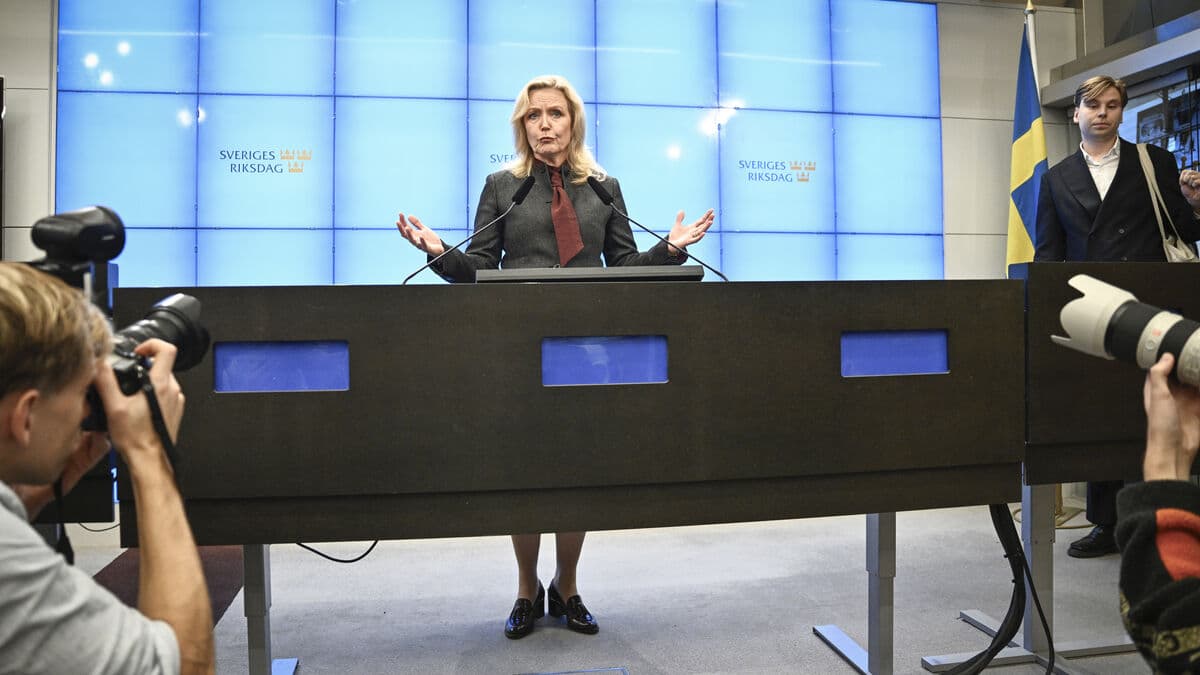
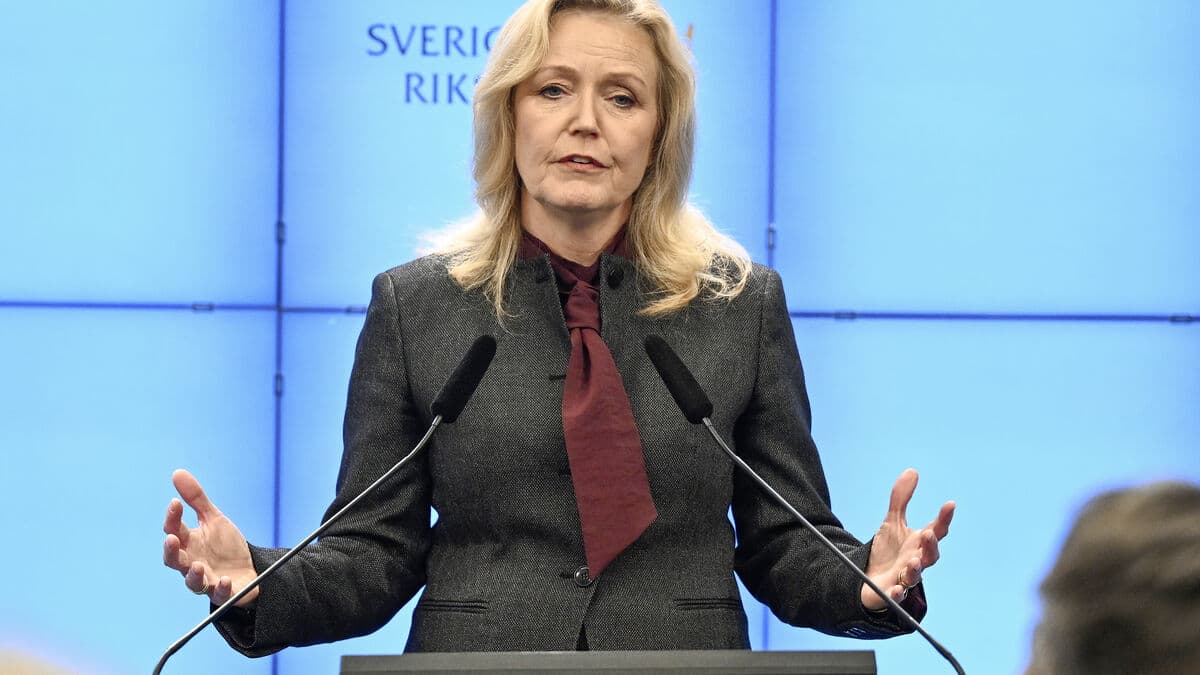
"You are doing yourself a disservice if you slow down this type of transition. This type of logic where you want to slow down electrification is bad for Europe, bad for our competitiveness and especially bad for Swedish companies," says Climate and Environment Minister Romina Pourmokhtari (L) on site in Luxembourg.
During the EU Parliament's last term, 2019–2024, the EU was praised for pushing forward climate policy with its "Green Deal", with a host of new measures.
Now, instead, they are being criticized for having done too much and for getting it wrong - and for arguing that it is more important to help the EU's traditional industries compete.
Abolished emissions trading?
The battle is not just about future car emissions. Several countries in Eastern Europe are also pushing hard for more free allocations for heavy industry ahead of the upcoming July update of the EU emissions trading system (ETS). They would even like to abolish the system altogether, warning that public support for climate policy will be lost if the costs become too high.
EU Climate Commissioner Wopke Hoekstra, on the other hand, sees the record heat outside as additional pressure.
"The weather outside should rather lead us in a more ambitious direction than the other way around," says Hoekstra in Luxembourg.
In December, the European Commission presented a proposal to ease previously decided requirements for zero emissions from all new cars and vans from 2035.
Instead, the proposal would require manufacturers to achieve a 90% reduction in tailpipe emissions, while the remaining 10% would be allowed if manufacturers use more environmentally friendly steel made in the EU, or if they use e-fuels or biofuels.
However, the issue is deadlocked among EU countries, with some believing the proposal goes too far while others demand even more.
In parallel, an update of the EU emissions trading system (ETS) is being prepared and is due in mid-July.