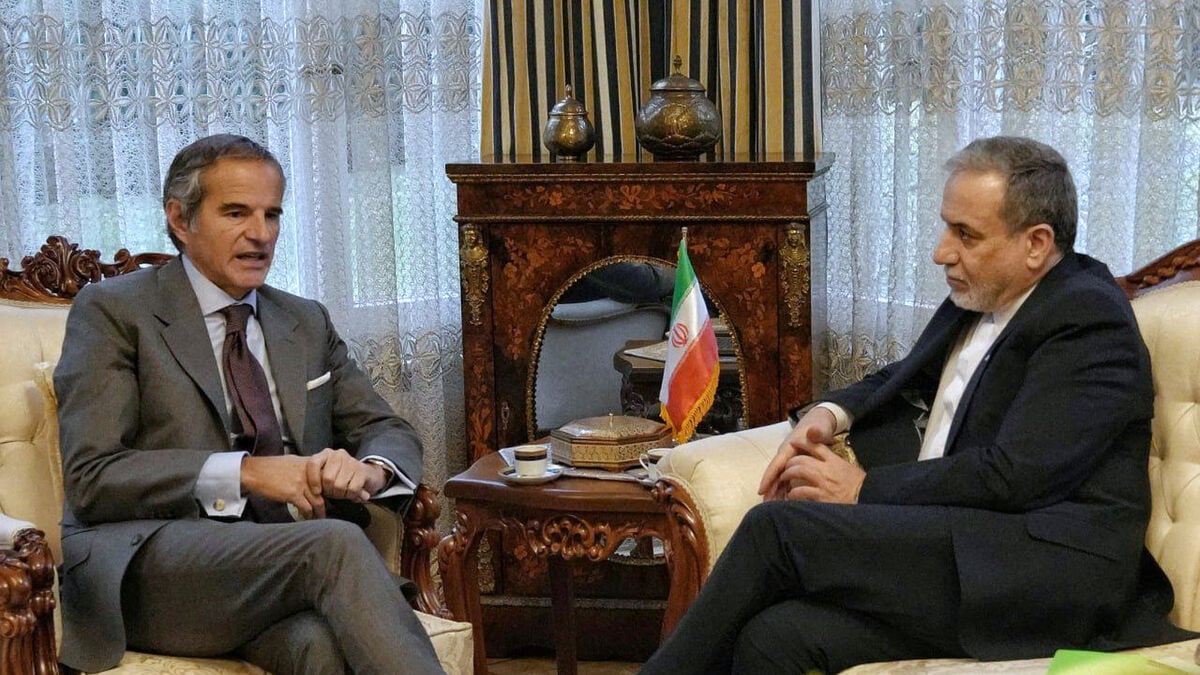
The report, which has been reported by several international media outlets, calls on Iran to "constructively" cooperate with the IAEA to allow inspections of the facilities that were attacked in the twelve-day war this summer.
"The IAEA's loss of continuous knowledge of all previously declared nuclear material at affected facilities in Iran must be addressed urgently," reads the report, which was sent to IAEA member states.
Due to the limited access, the IAEA cannot determine "the current extent, composition or storage locations of Iran's enriched uranium stockpiles."
Stored underground
Iran insists that its nuclear energy program is peaceful and that it has no plans to develop nuclear weapons.
According to the IAEA's latest data, Iran had around 440.9 kilograms of uranium enriched to 60 percent, a level that, according to the UN agency's guidelines, should entail monthly checks.
Some of the country's highly enriched uranium has been stored in underground warehouses at the Isfahan facility, the IAEA notes in the new report, Reuters.
To be used in nuclear weapons, uranium must be enriched to 90 percent.
Calls under threat
In the ongoing nuclear energy talks between the United States and Iran, Washington is demanding restrictions on Tehran's nuclear energy program that would ensure the country cannot develop nuclear weapons.
Previous rounds of talks last year collapsed after Israel started the so-called Twelve-Day War against Iran, in which the United States also joined in, bombing Iranian nuclear facilities.
In connection with the resumed talks, the United States has threatened new attacks and mobilized a large number of warships and fighter jets in the region.