Many buyers do not have sufficient knowledge of damage risks before purchasing a holiday home, according to Per Sangrud, sustainability manager at LF Fastighetsförmedling.
I think people believe that natural disasters won't affect them. Then, unfortunately, it can be that they don't want to spend a lot of money on climate-proofing their house because it can be expensive. Of course, people have other things to think about too, like shopping for food and picking up from preschool.
Missing climate risks
As a home buyer, you have a duty to investigate, which means a legal obligation to inspect the house before purchasing, but Per Sangrud believes that many people fail to think about climate risks and natural damage.
According to recurring surveys conducted by the real estate chain, only four percent believe that their home is affected by climate change, according to Per Sangrud.
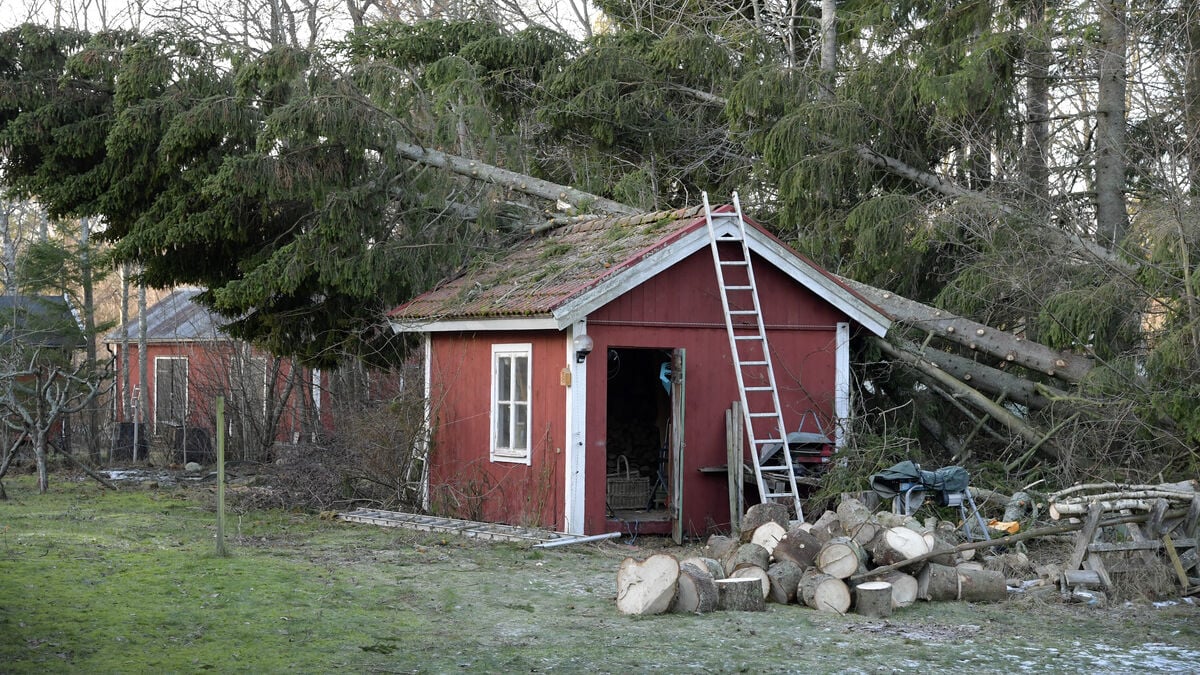
The effects of water and wind, such as moisture damage, mold, and worn roof tiles or trees, account for around 95 percent of all natural damage to holiday homes. Other common damage includes ice and snow damage and pests that attack wood.
Most common in the Stockholm area
Nearly 20,000 Swedish holiday homes have suffered natural damage for which they have received compensation through their insurance, according to a compilation from LF Fastighetsförmedling with figures from the industry organisation Swedish Insurance. Natural damage was most common in the Stockholm area, with just over 5,000 reported damages that received compensation during the measurement period. It was least common in Blekinge and Gotland, which both had close to 300 compensated damages each during the period.
In Stockholm, we see that storm Alfrida in 2019 has driven up the numbers. The differences were also seen in Gävle during the heavy rain in 2021.
The most important thing to avoid natural damage is to check the roof and its quality before buying a house, especially in areas where it is very windy.
If you have a house with a basement, you should also look at check valves and whether the basement is underground to avoid flooding. If there are trees on the property, it is important to make sure that they cannot fall on the house.
To get advice about the effects of climate change on the holiday home, Per Sangrud recommends contacting the municipality.
Together with the county administrative board, they are responsible for identifying climate risks in both new and existing buildings.
Flooding: Rainfall can cause water on the ground floor and in basements and cause major damage.
Wind and storm damage: Strong winds can topple trees over houses, tear off roof tiles, and force rain into structures.
Moisture damage and mold: Recurrent rain with higher humidity that prevents houses from drying out can lead to rot and mold.
Pests: The milder winters allow more insects to survive and attack wood.
Ice and snow damage: Ice can damage gutters and roofs and cause leaks.
Source: LF Real Estate Agency.
Check the drainage around the house to reduce the risk of flooding. Also check drains, wells and valves where water can get in. Pay special attention to the basement space and seal windows and doors.
Have an expert inspect any trees around the house. Make sure the flagpole is properly anchored and store loose items such as outdoor furniture and barbecues indoors. Check that roof sheets, facade cladding and roof tiles are not loose.
Prevent mold by providing good ventilation in basements, attics, and crawl spaces, and keep vents open. Keep an eye out for signs of mold.
Holiday home insurance can protect the house and in some cases damage to the property. However, different rules apply to different insurance policies.
Source: LF Real Estate Agency.