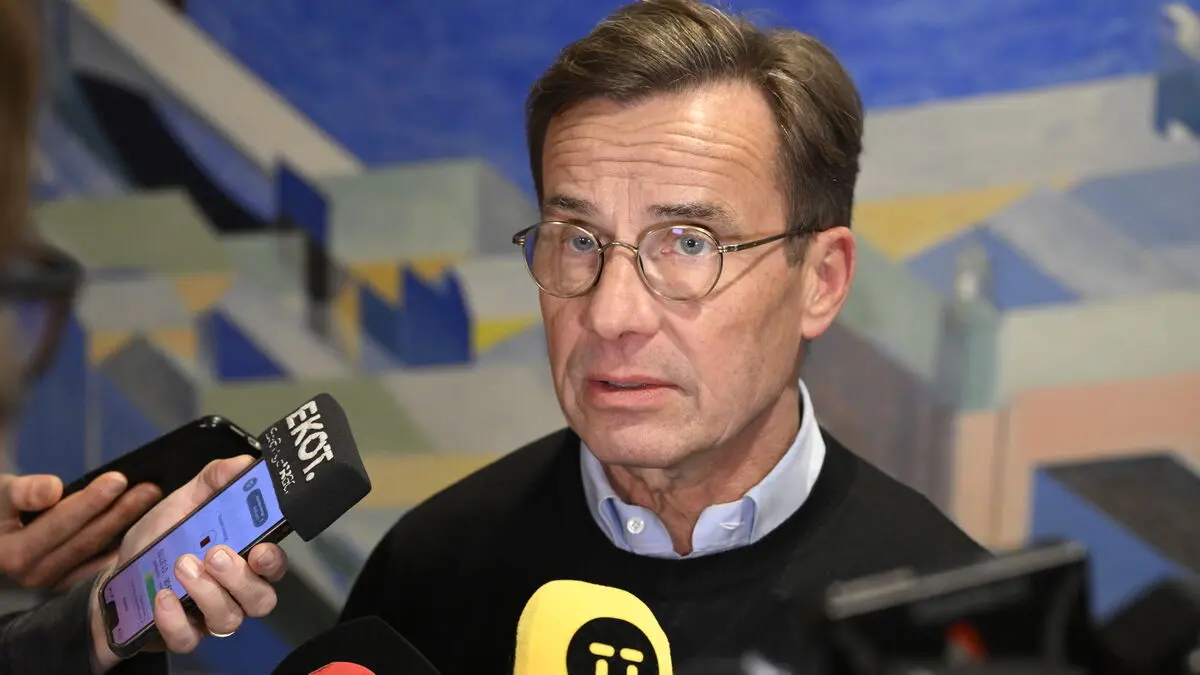
"But you need a lot of humility. This is developing hour by hour, day by day. We don't know how this is developing," says Torbjörn Isaksson, chief analyst at Nordea.
"How long this lasts will be crucial," says Susanne Spector, chief economist at Danske Bank.
Affects unemployment
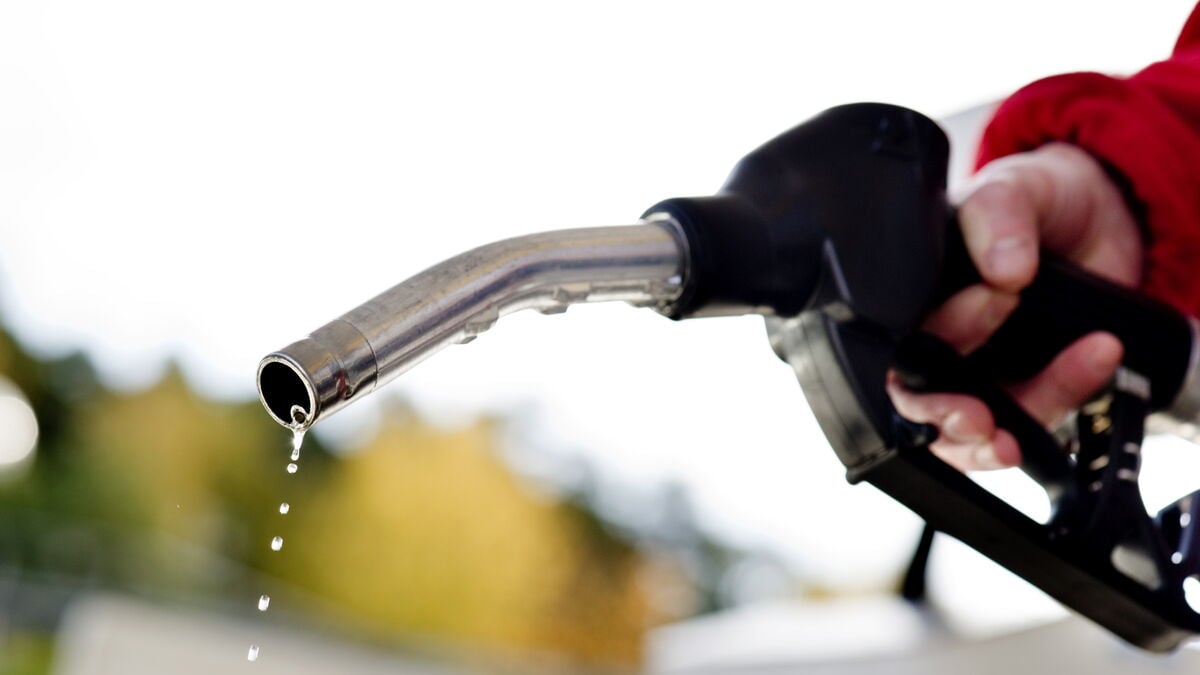
But the fact that the price of oil this weekend surged to well over $100 a barrel will also be felt in the short term. Of course, refueling your car will be more expensive. In Sweden, prices have already risen by several kronor. The price of electricity will be higher, especially in southern Sweden. This is because the gas that countries on the continent use to produce electricity has become more expensive.
Businesses may hesitate to hire and households may hold back. There could be a downward spiral, while general price increases will push up inflation.
"It takes purchasing power away from households. And the troubled stock markets are, of course, affected," says Isaksson.
"If this continues, there could be uncomfortably high inflation," says Susanne Spector.
Shortage threatens
We can probably forget about an interest rate cut.
"That door is completely closed now," says Susanne Spector.
Rather, an increase is most likely, according to Spector, who also foresees a downturn in the housing market as a result of the troubled times.
Jet fuel is also likely to become more expensive, which will affect travel. Fertilizer production is affected by the skyrocketing gas prices. This could lead to more expensive food, according to Susanne Spector, although the reduced food VAT from April 1 will dampen any potential impact.
"And oil is an important component in many industries. There could be a shortage of goods," Spector says, "but it's hard to know exactly what."