Iran has spent a third of 2026 offline, internet watchdog Netblocks said on Tuesday. That was 240 hours - ten full days - since the regime cut off the connection between Iran and the rest of the internet shortly after the outbreak of war.
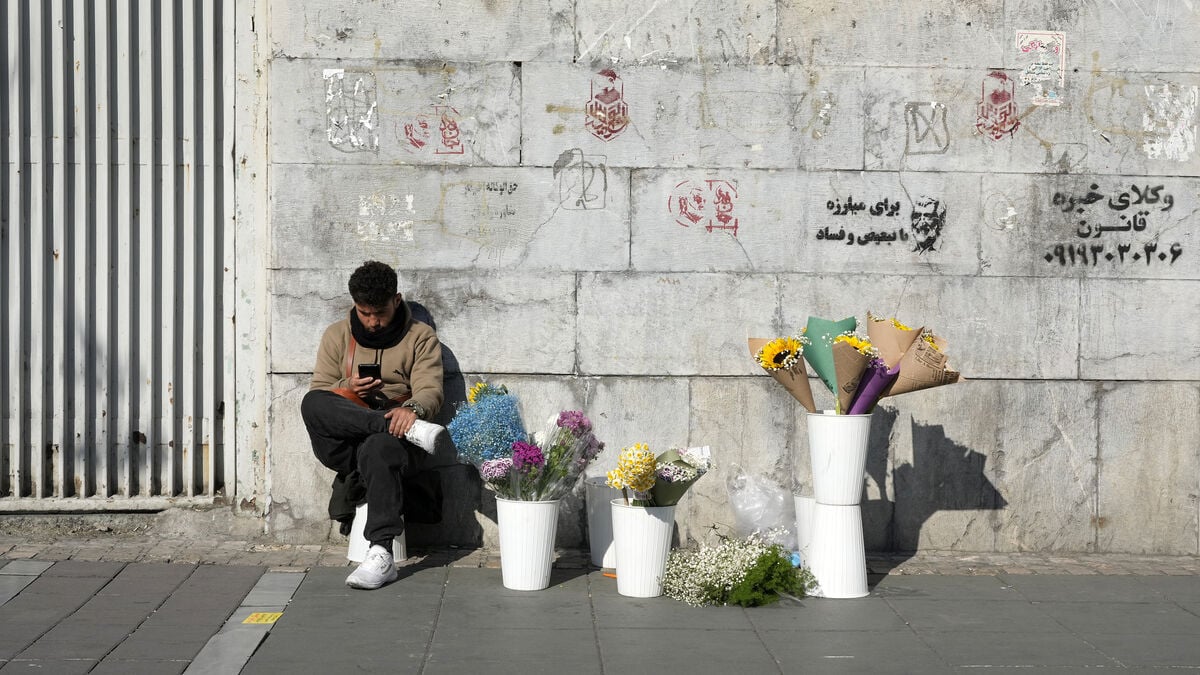
When the bombs fall, ordinary Iranians are forced to rely on regime propaganda to learn what is happening. The warning messages that Israel occasionally sends out on social media do not reach them.
"You can't get news or information from the outside world, and you can't connect with your loved ones. It's obviously very stressful," says Marcin de Kaminski, a cyber researcher at the Open Technology Fund, an American foundation that works to counter technology-based surveillance and censorship.
“Conquer Tel Aviv”
The Internet exists - but not as we know it in the West. Over the past decade, Iran has built up a state-controlled, isolated internet, called NIN. Because the state owns the infrastructure, connection to the outside world can easily be shut down whenever the regime wants - such as during major protests or the war that is currently raging.
This way, the state controls what type of information citizens can access and which digital services work, says de Kaminski.
There are ways around the blockade, but they are winding and technically demanding. In an X post from last week, Tehran journalist Milad Alavi describes the struggle to get through the layers of state control.
"This tweet was sent via an open VPN file after six hours of effort and testing over 59 V2Ray links, multiple VPN files, and with the help of a friend," he writes.
In the vacuum, the regime can dictate the war narrative: "According to IRIB (Iran's state radio and television company), Iran is on the verge of conquering Tel Aviv and Washington," Alavi notes sarcastically.
Continue undisturbed
Isolating the country from the rest of the internet is costly, but Iran can still function. There are also messaging apps that allow residents to communicate within the country - under the watchful eye of big brother.
Marcin de Kaminski draws parallels to China and Russia.
They are trying to funnel their population into services that they can control themselves. There they have control over what is said and done.
What is unique about Iran is that they are so clearly disconnecting from the global internet - while at the same time having enough technical infrastructure to allow important societal functions and the local economy to continue relatively undisturbed.
A VPN (Virtual Private Network) works as an encrypted network tunnel. When you launch a VPN app on your computer or mobile device, all traffic from it is tunneled through the VPN service's servers.
In more common parlance, a VPN can make it appear as if you are browsing from the US (or another country) even though you are located somewhere else. This approach is common for accessing content that is regionally blocked for various reasons, such as streaming services or news content.
VPNs are widely used, especially in countries with strict internet censorship, such as Iran, Russia, and China. However, VPN services are often blocked by repressive regimes, which can make the process technically demanding.
VPNs are also used by those who want to remain anonymous online for various reasons. They are also commonly used by businesses to increase security and access work networks from home.
Source: Internet Foundation, NE
On February 28, the United States and Israel attacked Iran, without the support of the UN Security Council. The attack was described as a preemptive strike to prevent the country from developing nuclear weapons. Iran's Supreme Leader Ayatollah Ali Khamenei and several other leaders were killed in the initial bombings.
A year earlier, in March 2025, US President Donald Trump sent a letter to the Ayatollah to initiate negotiations over Iran's suspected nuclear weapons program. Five meetings were held but without any results.
On June 22, the United States entered the then ongoing war between Israel and Iran and bombed three nuclear energy facilities.
In September, previous UN sanctions on Iran were reimposed. The economy deteriorated and popular protests erupted before the turn of the year. Trump said he was prepared to intervene on the side of the protesters when they were killed in their thousands - but that did not happen.
In early 2026, US military forces gathered in Iran's vicinity.
New negotiations with the regime in Tehran began on February 3, without results. By the end of the same month, a new war was a fact.