Christer Pettersson:
We start with the only person actually charged in the crime. Pettersson was first questioned by the police a few months after the murder on February 28, 1986, but was not arrested until 1988. He was singled out by Lisbeth Palme during a witness confrontation - which was later overturned - and sentenced by the Stockholm District Court to life imprisonment. The Svea Court of Appeal acquitted him in 1989.
In 2001, Christer Pettersson confessed to the murder to his friend, journalist Gert Fylking. However, he retracted it and said that he could neither confirm nor deny that he shot Palme.
The police suspected that Pettersson carried out the murder on behalf of the so-called Bomberman, Lars Tingström, who had been denied clemency for his life sentence. The notorious gangster Sigge Cedergren is said to have said on his deathbed that he had lent Pettersson a revolver.
During the 1990s, the police worked to get a ruling in the Supreme Court, without success.
Pettersson died in 2004.
The 33-year-old:
Victor Gunnarsson, or the 33-year-old as he came to be called in the media, was the very first to be arrested as a suspect.
The day after the murder, tips about him began to trickle into the police, and in March 1986 he was arrested. According to witnesses, he had expressed a strong hatred for Olof Palme, and forensic experts discovered traces on his jacket that indicated that he had fired a weapon. However, it was not possible to establish that it was the same type of weapon that was used in the murder.
He was released early because the evidence against him was thin.
Gunnarsson moved to the United States and in 1993 he was murdered by a police officer in a jealousy-related incident.
The PKK trail:
In 1987, 20 Kurds, several of whom were PKK supporters, were taken in for questioning. The police suspected that the guerrilla organization, which the government had labeled a terrorist organization, might have both the motive and the opportunity to strike against what were called Swedish interests.
During the 1980s, a number of defectors from the PKK had been murdered in Sweden and, with the support of the legislation at the time, Sweden was able to deport members of the organization, which could have been a reason for the PKK to murder Palme.
Intelligence leader Hans Holmér pursued the PKK trail for a long time, but nothing concrete has ever emerged.
The PKK trail led to the high-profile Ebbe Carlsson affair. Justice Minister Anna-Greta Leijon had enlisted book publisher Carlsson as a private detective, and Carlsson gained access to secret information and illegal eavesdropping equipment. Leijon was forced to resign in the aftermath of the scandal and Carlsson was fined.
The South Africa track:
This trail came into the spotlight in the mid-1990s. The theory was that South African intelligence was behind the assassination because of Palme's support for the ANC and the fight against the country's then apartheid regime.
Early in the investigation, the police received tips about South Africa's involvement, and in recent years it has also been brought to attention in various ways.
A South African man who was in his mid-40s at the time of the murder has been identified as both a professional killer and a spy. According to Chief Prosecutor Jan Danielsson, it has been established that he was in Stockholm on the night of the murder. The man has not been interviewed by the police, according to reports.
The Skandia man:
Stig Engström, who was nicknamed the Skandia Man, figured in the investigation from the start – then as a witness.
He worked at Skandia near the murder scene and has claimed, among other things, that he placed Palme on his side in a prone position after the shooting. However, Engström was dismissed as both a witness and a possible perpetrator by the police early on.
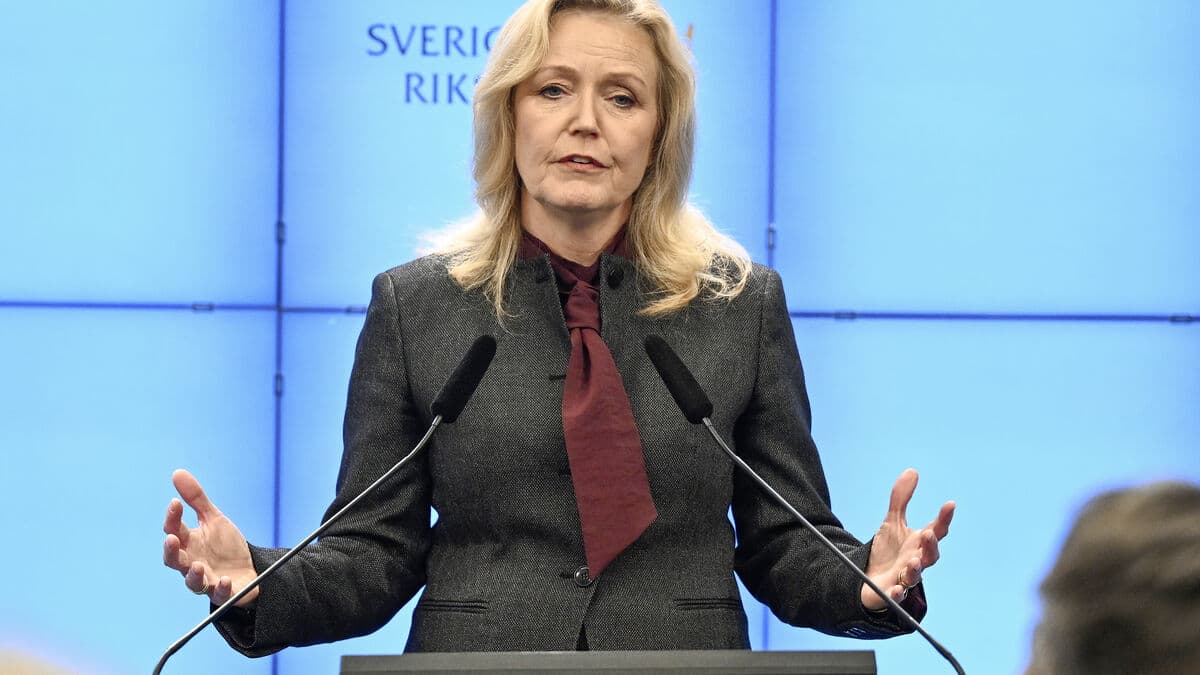
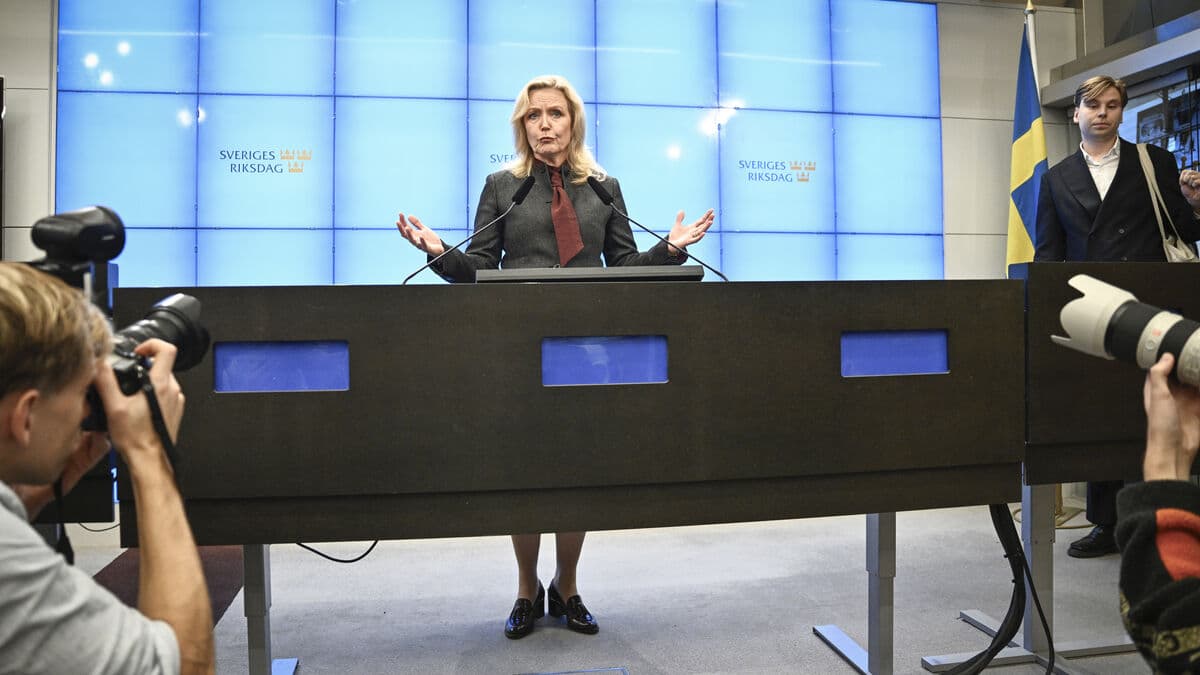
However, in a report in Filter magazine in 2018, he was singled out as a suspect, and when prosecutor Krister Petersson held a now classic press conference in 2020, he was singled out again. Petersson closed the investigation in connection with this because Engström is deceased.
According to the prosecutor, Engström had knowledge of weapons and moved in circles critical of Palme. Petersson also said that Engström was dressed in a way that was consistent with testimony about what the perpetrator looked like.
Engström died in 2000.
The Gunslinger:
This theory has received attention recently, largely thanks to Jon Jordås's book "The last book about the murder of Olof Palme" and Svenska Dagbladet's podcast series "The Man with the Revolver".
The man in question - Christer A - was the only revolver owner in the Stockholm area who stayed away when the police wanted to test-fire potential murder weapons. During questioning, Christer A said that he had sold the weapon illegally due to debts and that it could no longer be test-fired.
Christer A was questioned a total of five times between 1995 and 1998, and certain circumstances have led the police to believe that he should be considered a suspect.
In 2008, Christer A's brother contacted the police because he was worried about him. When the police arrived at Christer A's home, he shot himself to death.
The police trail:
The police trail is actually about a number of different theories that all stem from the idea that the police were in one way or another behind the murder. Either through individual police officers or the Police Authority as such.
Examples of motives given include police officers with political views who saw Olof Palme as Sweden's worst enemy, and information has emerged that police officers were offered money to murder Palme.
Suspicions against the police were raised early on after allegations that the police acted strangely on the night of the murder.
The information about men with walkie-talkies who were allegedly seen around the murder scene before the shooting is usually considered a branch in the police trail.
Other tracks worth mentioning: the Chile track, the CIA track, the Rausing track, and the Stay Behind track.