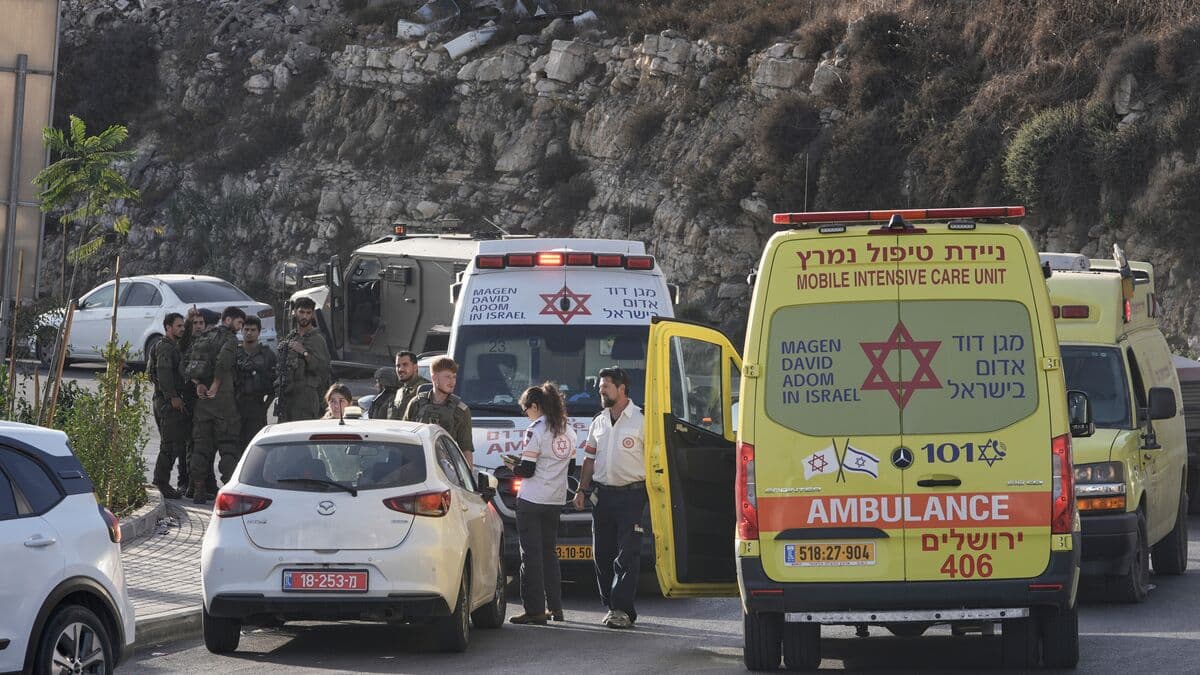
The extensive planning to care for passengers and staff onboard the ship affected by hantavirus was launched when the ship arrived at dawn.
By the evening, a majority could have been moved on - and flown back to their home countries, said the Spanish government's health official on site, Javier Padilla.
Spanish authorities received the evacuees, who had arrived on the coast near the town of Granadilla. The evacuees were then taken under strict security to the international airport on the south side of the island.
Continued flights
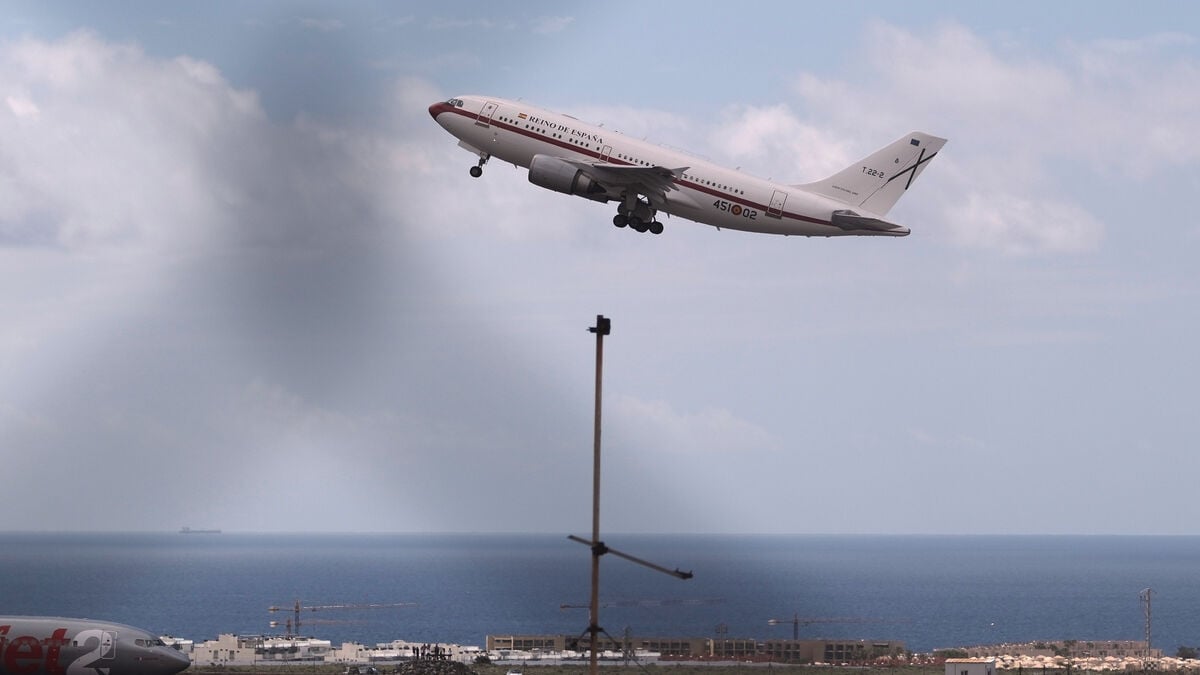
For infection-control reasons, evacuees are not allowed to come into contact with others, and they cannot fly on regular flights. In addition to Spaniards and French nationals, the evacuees include people from the Netherlands, Germany, Belgium and Greece. They are being flown out via the Netherlands.
Citizens from Canada, Turkey, the United Kingdom and the United States, among others, are also leaving Tenerife via separate flights, some of which will continue on Monday.
One of five evacuated French citizens showed symptoms of the disease upon arrival in France on Sunday, after which all five were placed in quarantine.
Everyone on the ship is classified as high-risk contacts due to the previous outbreak of the potentially deadly hantavirus onboard.
WHO Director-General Tedros Adhanom Ghebreyesus was on site in Tenerife during the operation and tried to reassure the island's residents that the risk of infection spreading was low.
But late Sunday, the WHO director warned that the somewhat lax quarantine decisions adopted by the US "may pose a risk," AFP reports.
Three deaths
Six cases of hantavirus infection have been confirmed following the outbreak on the cruise ship. A total of at least eight suspected cases have been reported, including three deaths.
The source of the outbreak is unclear, but it is suspected that the cruise passengers came into contact with the virus before departing from Argentina.