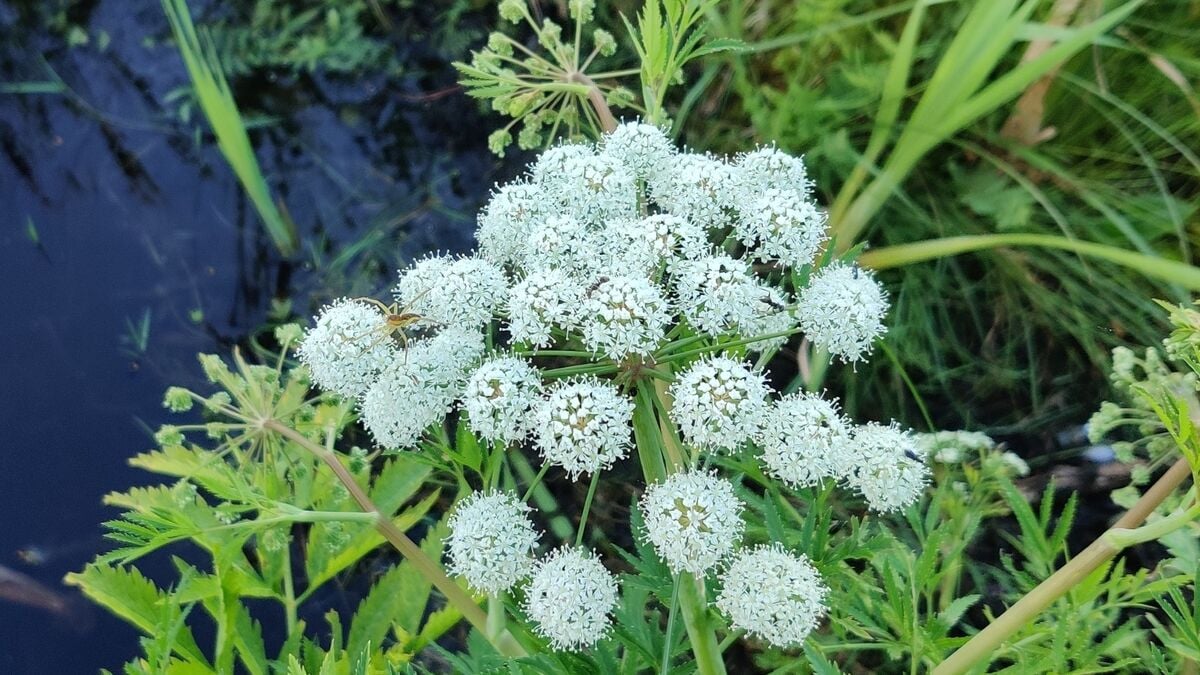
Compared with many other countries, Sweden is relatively spared from poisonous plants, but there are exceptions - poison ivy, fireweed and spikewort are some of the plants it may be useful to know about.
Most of the time you need to eat them for it to be really dangerous, but some are so toxic that just touching them and then licking your fingers can be enough to cause symptoms, says Torbjörn Tyler.
Unusual with serious cases
Peter Hultén is a pharmacist at the Poison Information Centre and receives calls about suspected poisonings.
It is mainly parents who call when their child has licked or swallowed something and has had problems, he says.
There have been serious cases of poisoning, but they are unusual. Peter Hultén says you should contact healthcare if you have come into contact with a poisonous plant, but he doesn't think you should worry unnecessarily.
Most often it involves a rash, a burning sensation in the mouth and perhaps a couple of days of stomach upset. However, serious cases are very rare, especially among children.
Has been around for a long time
There is nothing in the appearance of the plants that reveals that they are poisonous, but for those who are worried, it is important to be well informed. Most of the plants have been around for a long time and are not new and invasive species. However, some of them - such as wormwood and boletus - have decreased in size.
They grow in what you could call rubbishy environments, around houses and barns, and these days those types of plants are cleared a little more often, says Törbjörn Tyler.
However, he doesn't think that humans should resort to pesticides and other methods to clear away dangerous plants.
These are wild species that are part of our nature and clearing them out can have other consequences.
Grows at bathing places
But when it comes to the cluster-flowered blast herb, he can agree to make an exception.
It grows, among other things, near swimming areas and lakes where children play, and then it might be a good idea to clear it out. On the other hand, that's where it thrives, so it will certainly come back, says Torbjörn Tyler.
Belladonna: Rare plant that can cause hallucinations and heart palpitations.
Boletus: The root contains the toxic substance atropine which can lead to unconsciousness.
Foxglove: The plant is very toxic to eat and symptoms can appear after several hours.
Climbing lily: The root tuber in particular is poisonous and can cause stomach pain, vomiting and diarrhea.
Nerium: Contains substances that can affect the heart and serious poisonings have occurred during medicinal use.
Wormwood: The taste is very unpleasant and symptoms of poisoning may include difficulty swallowing.
Castor oil: The hard, bean-like seeds are very toxic and can cause diarrhea, among other things (castor oil is safe to eat).
Atropine: Seeds, leaves and flowers contain the toxic substance atropine.
Burdock: Ingestion can be fatal, even in small amounts. Deaths have occurred when mixed with edible roots.
Storm hat: Symptoms of poisoning can come on suddenly and include a burning sensation in the mouth and throat.
Colchicine: A highly poisonous plant whose seeds, bulbs and flowers contain the substance colchicine.
Angel's trumpet: Symptoms of poisoning may include dry mouth, palpitations, dizziness, and hallucinations.
Source: Poison Information Centre.