There is an almost apocalyptic atmosphere in the UN report Global Environment Outlook, which is described as the largest research compilation in the field ever, involving 287 researchers.
We are in a situation where nothing on a global scale is going in the right direction, says environmental scientist Robert Watson at a press conference.
Despite the fact that the world's countries actually agree to stop the destruction, the health of the planet is deteriorating. This is leading to increased anxiety and poverty and more natural disasters. The planet's worsening health is mainly due to increased consumption and the pursuit of economic growth.
Five points
But there are ways out of the crisis, the report authors believe. It involves behavioral changes and new technology. But it needs to happen on a global level and everyone needs to pull in the same direction. The researchers make five points:
-
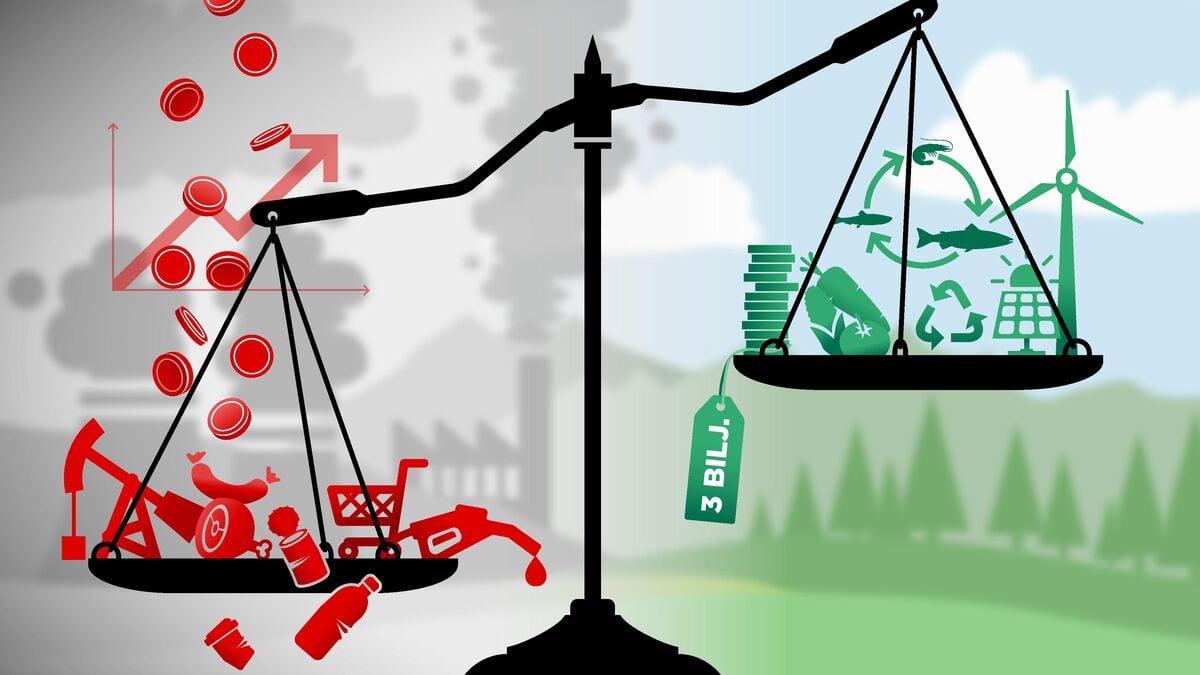
Economy. Instead of chasing GDP growth, countries need to focus on ensuring that society as a whole feels good. It has to cost more to produce environmentally harmful goods. The price is $3 trillion per year around 2040.
-
Energy. Accelerate the phasing out of fossil fuels, increase energy efficiency, electrify and expand renewable energy sources.
-
Food. Eat more sustainably (more plant-based, less animal products), increase sustainable agriculture, reduce waste and develop new protein sources (for example, cultured meat).
-
Environment. Preserve and restore ecosystems (at least 30 percent of the planet's surface) and draw on indigenous knowledge. Build resilience to climate change with nature-based solutions.
-
Waste and materials. The economy needs to become circular, materials need to be recycled and gadgets that are manufactured need to be made with circularity in mind. It needs to be easier to recycle and reuse.
Can be earned
It sounds simple, but it is clearly a huge challenge. Politicians must stand up to powerful vested interests and go against the traditional pursuit of growth. It also has to happen quickly and people need to change their behaviors when it comes to food and gadgets.
The $3 trillion transition price tag looks breathtaking, but it’s only 1.5 percent of global GDP. The cost of doing nothing is even higher – and by 2070, the macroeconomic benefits amount to about $20 trillion, according to the report.
We need some forward-looking countries and companies that understand that they will gain more from addressing the problems than ignoring them, says Watson.
Global warming is likely to be higher than the UN's Intergovernmental Panel on Climate Change (IPCC) forecasts. Scientists estimate that climate change by 2100 will be 2.4–3.9 degrees, and more likely in the higher than the lower range.
One million animal and plant species are threatened with extinction. That's one in eight species on the planet.
100 million hectares of fertile agricultural land (double the size of Sweden) are degraded or destroyed annually.
2 billion tons of garbage are thrown away annually.
90 percent of the world's population is exposed to air pollution levels higher than the WHO's air quality guidelines. However, pollution levels have decreased in many parts of the world.
Source: GEO7